Why is my car bouncing when I drive? Your car is likely bouncing due to problems with the suspension system, tires, or alignment. Issues like worn shocks, damaged springs, tire imbalance, or wheel misalignment can cause this. This article will help you figure out why your car is bouncing and how to fix it.
A bouncing car is more than just an uncomfortable ride. It can be a sign of serious problems that affect your car’s safety and handling. Left unchecked, these issues can lead to more expensive repairs down the road. This guide will help you diagnose the reasons for your car’s bouncing and explore potential fixes.
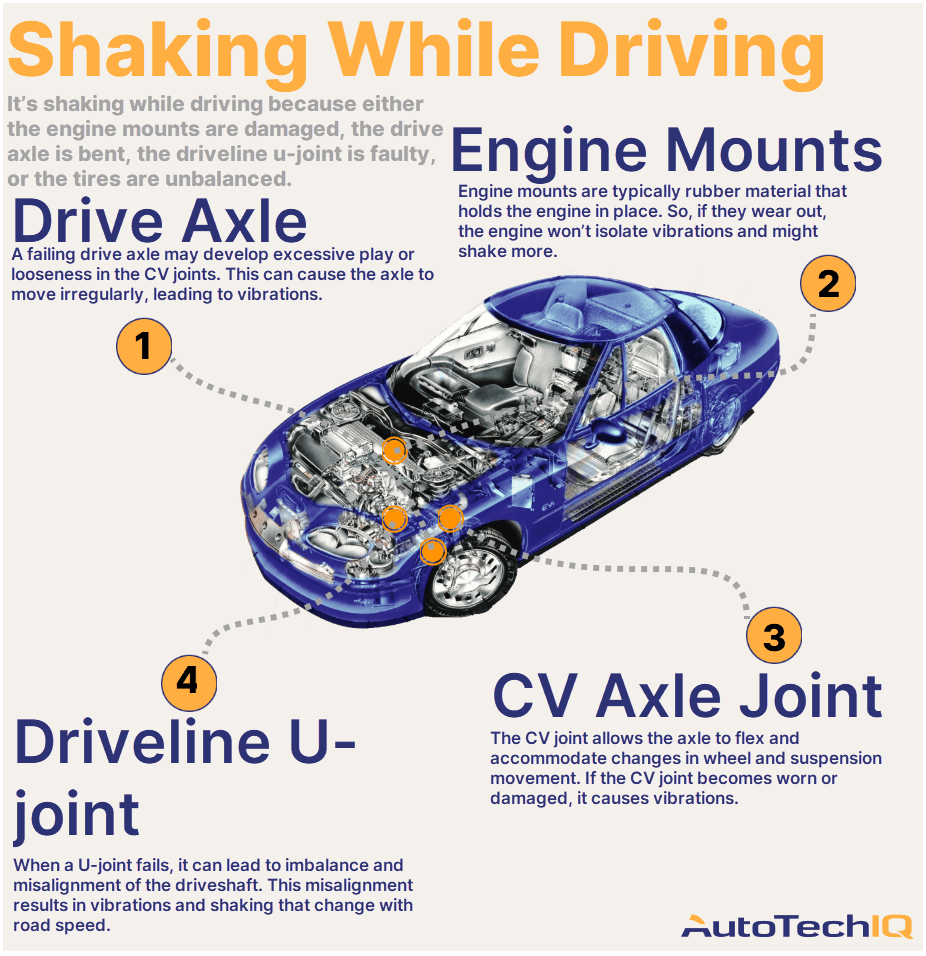
Image Source: www.autotechiq.com
Spotting a Bouncing Car: Symptoms and Signs
Before diving into the potential causes, let’s look at the common signs of a car that’s bouncing. Recognizing these symptoms early can help you address the problem before it gets worse.
-
Excessive Up-and-Down Movement: The most obvious sign is your car bouncing more than usual, especially after going over bumps or potholes.
-
Uneven Ride: A bumpy or unstable feel, even on smooth roads, is a key symptom of suspension problems.
-
Vehicle Hopping: At higher speeds, the car may feel like it’s hopping or skipping, losing contact with the road momentarily.
-
Difficulty Steering: Bouncing can affect your ability to control the car, making steering feel loose or unresponsive.
-
Nose Diving or Leaning: When braking, the front of the car might dip down too much (nose diving). When turning, the car might lean excessively to one side.
-
Unusual Tire Wear: Bouncing and suspension issues can cause uneven wear on your tires. Look for bald spots or unusual wear patterns.
Suspension System Issues: The Primary Culprit
The suspension system is designed to keep your car stable and comfortable by absorbing shocks and vibrations from the road. When parts of this system fail, it can lead to a bouncy ride.
Bad Shocks Symptoms: Understanding Worn Shocks
Shocks (shock absorbers) control the movement of your car’s springs. When they wear out, they can no longer dampen the bouncing motion.
-
What are shocks? Shocks are parts that control how springs move. They stop your car from bouncing too much after hitting a bump.
-
How do shocks work? Shocks use oil to resist the movement of the springs. When the oil leaks or the shock wears out, it can’t do its job.
-
Identifying bad shocks symptoms:
- Excessive Bouncing: The car continues to bounce several times after hitting a bump.
- Leaking Fluid: Visible oil leaks on the shock absorbers are a clear sign of failure.
- Worn Bushings: Damaged or worn bushings (rubber parts) on the shocks can cause noise and instability.
- Nose Dive or Squat: The car dips forward when braking (nose dive) or squats when accelerating.
- Cupped Tire Wear: A specific type of uneven tire wear where the tire has a scalloped or cupped appearance.
- Testing Your Shocks: You can do a simple bounce test. Push down hard on each corner of the car. If it bounces more than twice, the shocks might be bad.
Worn Struts: Another Suspension Problem
Struts are similar to shocks but also provide structural support for the suspension. Like shocks, they can wear out over time.
-
What are struts? Struts combine the functions of a shock absorber and a structural support. They’re a key part of the suspension system.
-
How do struts work? Struts contain a shock absorber inside and attach directly to the car’s chassis.
-
Spotting worn struts: The symptoms are similar to bad shocks:
- Bouncy Ride: The car feels unstable and bounces excessively.
- Poor Handling: Steering feels loose or unresponsive.
- Noise: Clunking or rattling noises from the suspension.
- Uneven Tire Wear: Especially on the inside or outside edges of the tire.
- Visual Inspection: Look for leaks, damage, or corrosion on the struts.
Damaged Springs: When Coils Lose Their Bounce
Springs support the weight of your car and absorb impacts from the road. If they are damaged or weakened, they can cause a bouncy ride.
-
What are springs? Springs are metal coils that support the car’s weight and absorb shocks.
-
Types of springs:
- Coil Springs: The most common type, found on most cars.
- Leaf Springs: Typically used on trucks and older vehicles.
- Torsion Bars: A type of spring that uses twisting force.
-
Identifying damaged springs:
- Sagging: The car sits lower on one side or in the front/rear.
- Cracks or Breaks: Visible damage to the spring coils.
- Corrosion: Rust can weaken the springs over time.
- Bottoming Out: The suspension hits its limit frequently, causing a harsh jolt.
- Uneven Ride Height: Measure the distance from the wheel well to the ground on each corner of the car. Significant differences indicate a problem.
Table: Troubleshooting Suspension Problems
| Problem | Possible Cause | Symptoms | Solution |
|---|---|---|---|
| Excessive Bouncing | Worn Shocks/Struts | Car bounces repeatedly after bumps, leaking fluid, cupped tire wear | Replace shocks/struts |
| Sagging Vehicle | Damaged Springs | Car sits lower than usual, uneven ride height, visible cracks in springs | Replace springs |
| Poor Handling | Worn Shocks/Struts, Damaged Springs | Loose steering, difficulty controlling the car, excessive body roll during turns | Replace shocks/struts and/or springs, check other suspension components (ball joints, control arms) |
| Clunking Noises | Worn Bushings, Loose Components | Noise coming from the suspension when driving over bumps, unstable handling | Inspect and replace worn bushings, tighten or replace loose components |
Tire Issues: An Often Overlooked Cause of Car Bouncing
While suspension problems are the most common cause of a bouncing car, tire issues can also contribute.
Tire Imbalance: Weighty Problems
An unbalanced tire has an uneven distribution of weight, which can cause vibrations and bouncing, especially at higher speeds.
-
What is tire imbalance? Tire imbalance means the weight isn’t evenly distributed around the tire.
-
How does it happen? Imbalance can occur due to manufacturing variations, wear and tear, or damage to the tire.
-
Identifying tire imbalance:
- Vibrations: Feel vibrations in the steering wheel, seat, or floor.
- Uneven Tire Wear: Look for unusual wear patterns on the tires.
- Wobbling: The car might wobble or shake at certain speeds.
-
The Fix: Have your tires balanced by a professional. They use a machine to add small weights to the wheel to correct the imbalance.
Tire Pressure: The Importance of Inflation
Incorrect tire pressure can also cause a bouncy ride. Overinflated tires can make the ride harsh and bouncy, while underinflated tires can cause the car to feel sluggish and unstable.
-
Checking tire pressure: Use a tire pressure gauge to check the pressure in each tire.
-
Finding the correct pressure: Look for the recommended tire pressure on the sticker inside the driver’s side doorjamb or in your owner’s manual.
-
Adjusting tire pressure: Add or release air as needed to reach the recommended pressure.
Damaged Tires: Cuts, Bulges, and More
Physical damage to the tires, such as bulges, cuts, or sidewall damage, can also cause a bouncy ride and pose a safety risk.
-
Inspecting tires: Visually inspect your tires for any signs of damage.
-
Identifying damage:
- Bulges: A bulge on the sidewall is a sign of internal damage and requires immediate replacement.
- Cuts: Deep cuts or punctures can weaken the tire and cause it to fail.
- Sidewall Cracks: Small cracks on the sidewall are common with age, but significant cracking can indicate dry rot and weakening.
-
The Fix: Replace any damaged tires immediately.
Wheel Alignment: Keeping Your Car Straight
Proper wheel alignment is crucial for a smooth and stable ride. Misalignment can cause a variety of problems, including a bouncy ride.
What is Wheel Alignment?
Wheel alignment refers to the angles of your car’s wheels in relation to each other and the road. These angles include:
- Camber: The inward or outward tilt of the wheel when viewed from the front.
- Caster: The angle of the steering axis when viewed from the side.
- Toe: The direction the wheels point relative to each other (inward or outward).
Diagnosing Wheel Alignment Issues
-
Symptoms of misalignment:
- Pulling: The car pulls to one side while driving.
- Uneven Tire Wear: Wear on the inside or outside edges of the tires.
- Off-Center Steering Wheel: The steering wheel is not centered when driving straight.
- Squealing Tires: A squealing sound when turning.
-
Causes of misalignment: Hitting potholes, curbs, or other road hazards can knock your wheels out of alignment.
The Fix: Getting an Alignment
-
Professional alignment: Take your car to a qualified mechanic for a wheel alignment. They will use specialized equipment to adjust the angles of your wheels to the correct specifications.
-
Benefits of alignment: Proper alignment improves handling, extends tire life, and improves fuel efficiency.
Other Potential Causes of Car Bouncing
While suspension, tire, and alignment issues are the most common causes of a bouncy car, other problems can also contribute.
Bent Wheels: The Shape of Things
A bent wheel can cause vibrations and bouncing, especially at higher speeds.
-
Causes of bent wheels: Hitting potholes, curbs, or other road hazards can bend your wheels.
-
Identifying bent wheels:
- Visual Inspection: Look for dents, bends, or cracks in the wheels.
- Vibrations: Feel vibrations in the steering wheel or seat.
- Wobbling: The car might wobble at certain speeds.
-
The Fix: Depending on the severity of the damage, you may be able to have the wheel repaired. However, if the damage is significant, you will need to replace the wheel.
Worn Bushings: Rubber Parts That Matter
Bushings are rubber or polyurethane parts that cushion the suspension and reduce noise and vibration. When they wear out, they can cause a bouncy ride and poor handling.
-
Where are bushings located? Bushings are found in various parts of the suspension, including the control arms, sway bar, and shock absorbers.
-
Identifying worn bushings:
- Noise: Clunking or rattling noises from the suspension.
- Poor Handling: Loose or unresponsive steering.
- Visual Inspection: Look for cracks, tears, or wear on the bushings.
-
The Fix: Replace worn bushings with new ones.
Loose Suspension Components: Tighten It Up
Loose suspension components, such as ball joints or control arms, can cause a bouncy ride and poor handling.
-
Inspecting suspension: Have a mechanic inspect your suspension for any loose components.
-
The Fix: Tighten or replace any loose components.
Diagnosing Car Bounce: A Step-by-Step Approach
Here’s a systematic way to diagnose why your car is bouncing:
- Observe the Symptoms: Note when the bouncing occurs (e.g., after hitting bumps, at certain speeds).
- Visual Inspection: Check your tires for damage, wear, and proper inflation. Look at the suspension for leaks, damage, or worn parts.
- Bounce Test: Push down on each corner of the car to check the shocks and struts.
- Test Drive: Drive the car at different speeds to see if the bouncing gets worse or changes.
- Professional Inspection: If you can’t identify the problem, take your car to a trusted mechanic for a thorough inspection.
Fixing a Bouncing Car: DIY vs. Professional Help
Whether you can fix a bouncing car yourself depends on your mechanical skills and the nature of the problem.
DIY Repairs: When to Tackle It Yourself
-
Simple Tasks: Checking tire pressure, inspecting tires for damage, and tightening loose bolts are tasks you can often do yourself.
-
Tools and Knowledge: For more complex repairs, like replacing shocks or struts, you’ll need the right tools and some mechanical knowledge.
-
Safety First: Always prioritize safety. Use jack stands when working under the car, and follow proper safety procedures.
Professional Repairs: When to Seek Help
-
Complex Issues: If you’re not comfortable working on your car’s suspension or if the problem is complex, it’s best to take it to a professional mechanic.
-
Specialized Equipment: Wheel alignments and tire balancing require specialized equipment that most people don’t have at home.
-
Peace of Mind: A professional can accurately diagnose the problem and ensure that the repairs are done correctly.
Cost of Fixing a Bouncing Car: A Price Breakdown
The cost of fixing a bouncing car can vary depending on the cause of the problem and the extent of the damage. Here’s a general idea of what you can expect to pay:
| Repair | Estimated Cost (Parts & Labor) |
|---|---|
| Replace Shocks/Struts | \$300 – \$1000 per axle |
| Replace Springs | \$200 – \$800 per spring |
| Tire Balancing | \$15 – \$30 per tire |
| Wheel Alignment | \$75 – \$200 |
| Replace Tires | \$100 – \$300 per tire |
| Replace Bushings | \$100 – \$500 per bushing |
These are estimated costs and can vary depending on your location, the make and model of your car, and the shop you choose.
Preventing a Bouncing Car: Maintenance Tips
Here are some tips to help prevent your car from bouncing:
-
Regular Inspections: Have your car’s suspension, tires, and alignment checked regularly by a mechanic.
-
Proper Tire Inflation: Maintain the correct tire pressure at all times.
-
Avoid Road Hazards: Try to avoid potholes, curbs, and other road hazards.
-
Routine Maintenance: Follow your car’s maintenance schedule for oil changes, tire rotations, and other services.
-
Listen to Your Car: Pay attention to any unusual noises or vibrations, and address them promptly.
FAQ: Common Questions About Car Bouncing
-
Can I drive a car that’s bouncing? It’s not recommended. A bouncing car can be unsafe and difficult to control. It’s best to get it checked and repaired as soon as possible.
-
What is the most common cause of a bouncy car? Worn shocks or struts are the most common cause.
-
How often should I replace my shocks and struts? Shocks and struts typically last between 50,000 and 100,000 miles. However, it’s best to have them inspected regularly.
-
Can tire imbalance cause a bouncy ride? Yes, tire imbalance can cause vibrations and bouncing, especially at higher speeds.
-
Will an alignment fix a bouncy ride? An alignment can help if the bouncing is caused by misalignment. However, if the problem is with the suspension or tires, an alignment won’t fix it.
-
Who is the best person to fix a bouncy car? A qualified mechanic specializing in suspension and alignment is the best person to diagnose and fix a bouncy car.
Unlock the secrets behind your car’s bouncy ride with this straightforward guide, empowering you to pinpoint and resolve the culprit. Tackling these problems head-on won’t just restore your vehicle’s composure; it’ll elevate your safety, sharpen its handling, and transform your journeys from jarring to joyful.

Hi, I’m Luigi Smith, the voice behind carrepairmag.com. As a passionate car enthusiast with years of hands-on experience in repairing and maintaining vehicles, I created this platform to share my knowledge and expertise. My goal is to empower car owners with practical advice, tips, and step-by-step guides to keep their vehicles running smoothly. Whether you’re a seasoned mechanic or a beginner looking to learn, carrepairmag.com is your go-to source for all things car repair!