How often should you refill your car AC refrigerant? Ideally, you shouldn’t need to refill it at all. A car’s AC system is a closed system, meaning the refrigerant should theoretically last the lifespan of the vehicle. However, leaks happen. This comprehensive guide will explain the car AC refrigerant lifespan, what affects it, signs of low AC refrigerant car, and what to do about it.
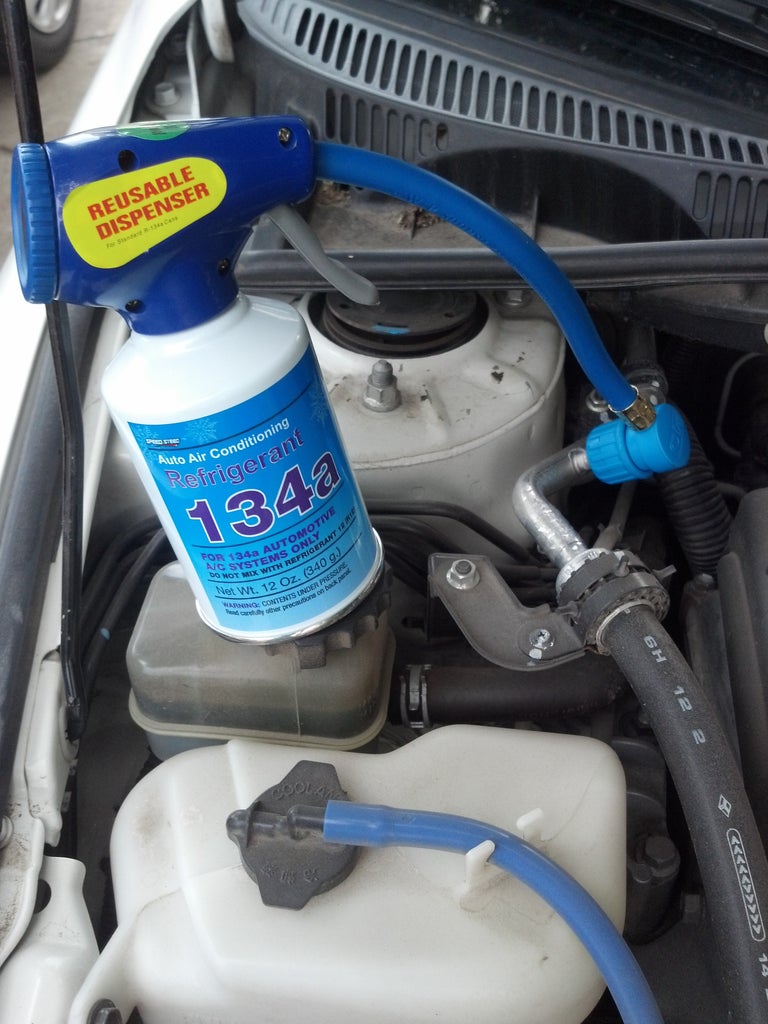
Image Source: content.instructables.com
Deciphering Car AC Refrigerant Lifespan
The average AC refrigerant life car is often considered to be about 3-5 years, but this is a very general estimate. In reality, a well-maintained AC system can last much longer. Several factors affecting car AC refrigerant determine its longevity.
The Ideal Scenario: A Closed System
A car’s air conditioning system is designed to be sealed. This means the refrigerant, the substance responsible for cooling the air, should remain within the system indefinitely. No refrigerant should escape under normal circumstances. If the system is perfectly sealed, you shouldn’t need to worry about the AC recharge frequency car.
Reality Bites: Leaks and Gradual Loss
Unfortunately, perfect seals are rare in the real world. Over time, seals can dry out and crack, hoses can become porous, and components can corrode. These issues can lead to refrigerant leaks, causing the system to lose its cooling power. Even without noticeable leaks, a small amount of refrigerant can permeate through the hoses over many years.
Signs Your Car AC Refrigerant Is Low
Recognizing the signs of low AC refrigerant car is crucial for maintaining a comfortable driving experience and preventing further damage to the AC system.
- Weak Airflow: The most obvious sign is weak or warm air blowing from the vents, even when the AC is set to the highest setting.
- Inconsistent Cooling: The AC might cool intermittently, working sometimes and not others. This can indicate a low refrigerant level fluctuating with system pressure.
- Hissing Sounds: A hissing sound coming from the vents or under the hood when the AC is turned on can indicate a refrigerant leak.
- Visible Leaks: Look for oily residue around AC components under the hood, especially at connections and hoses. This residue often attracts dirt and grime, making it easier to spot.
- AC Compressor Clutch Issues: The AC compressor clutch might cycle on and off rapidly or fail to engage altogether if the refrigerant level is too low. The system is designed to protect itself and prevent compressor damage.
- Ice Forming on Components: Ice forming on the evaporator or other AC components can also be a sign of low refrigerant, as it disrupts the normal cooling process.
- Dashboard Warning Lights: Some newer cars have sensors that can detect low refrigerant levels and trigger a warning light on the dashboard.
Key Influences on AC Refrigerant Duration
Several elements can shorten the car AC refrigerant lifespan. Knowing these can help you take steps to prolong your AC’s health.
The Age of Your Vehicle
Older vehicles are naturally more prone to leaks. Seals and hoses degrade over time, making them more susceptible to refrigerant loss.
Climate and Driving Conditions
Extreme heat and humidity can put extra strain on the AC system, potentially accelerating wear and tear on seals and hoses. Frequent stop-and-go driving can also cause the compressor to work harder, increasing the risk of leaks.
System Usage Patterns
Infrequent use of the AC system can actually be worse than frequent use. When the AC sits idle for extended periods, the seals can dry out and crack. It’s a good idea to run your AC for a few minutes each week, even in the winter, to keep the system lubricated.
Type of Refrigerant
- R134a Refrigerant: This was the standard refrigerant for many years. The R134a refrigerant lifespan car is similar to that of other refrigerants, but its prevalence means leaks are often more easily addressed.
- R1234yf Refrigerant: Newer vehicles often use R1234yf, which is more environmentally friendly. However, it can be more expensive to recharge systems using this refrigerant.
Quality of AC Components
The quality of the AC components, such as the compressor, condenser, evaporator, and hoses, can significantly affect the system’s reliability and lifespan. Using high-quality replacement parts can help prevent future leaks and problems.
Maintenance History
Regular maintenance, such as inspections and leak checks, can help identify and address potential issues before they become major problems. Keeping the condenser clean and free of debris is also important for efficient cooling.
Investigating AC Refrigerant Leaks
If you suspect a refrigerant leak, it’s important to have it diagnosed by a qualified mechanic. They can use specialized equipment to pinpoint the source of the leak and recommend the appropriate repairs.
Dye Injection
A common method for finding leaks is to inject a fluorescent dye into the AC system. The dye circulates with the refrigerant, and any leaks will show up as a bright glow under a UV light.
Electronic Leak Detectors
Electronic leak detectors can sense even small amounts of refrigerant escaping into the air. These devices are highly sensitive and can help locate leaks in hard-to-reach areas.
Bubble Testing
Bubble testing involves applying a soapy solution to AC components and connections. If there’s a leak, bubbles will form, indicating the source of the problem.
Addressing Low Refrigerant Levels
Once a leak has been identified and repaired, the AC system will need to be recharged with refrigerant.
The AC Recharge Process
Recharging the AC involves evacuating any remaining refrigerant and moisture from the system, and then adding the correct amount of new refrigerant. It’s important to use the correct type and amount of refrigerant to ensure optimal cooling performance.
DIY vs. Professional Recharge
While DIY AC recharge kits are available, it’s generally recommended to have the work done by a professional. They have the expertise and equipment to properly diagnose the problem, repair any leaks, and recharge the system correctly.
Car AC Performance After Recharge
After a successful recharge, your AC system should return to its optimal cooling performance. The air blowing from the vents should be cold, and the compressor should cycle on and off normally. However, it’s important to monitor the system for any signs of recurring leaks.
Cost Considerations
The cost to recharge car AC refrigerant can vary depending on several factors, including the type of refrigerant used, the complexity of the repair, and the labor rates in your area.
Refrigerant Type
R1234yf refrigerant is typically more expensive than R134a refrigerant. The cost of the refrigerant itself can significantly affect the overall cost of the recharge.
Leak Repair
If a leak needs to be repaired before the recharge, the cost will be higher. The cost of the repair will depend on the location and severity of the leak, as well as the cost of the replacement parts.
Labor Rates
Labor rates can vary widely depending on the mechanic’s experience and the location of the shop. It’s a good idea to get quotes from several different shops before having the work done.
Additional Services
Some shops may include additional services, such as a system flush or compressor oil change, as part of the AC recharge process. These services can add to the overall cost, but they can also help improve the performance and longevity of the AC system.
Proactive Maintenance Tips
Preventive maintenance is crucial for prolonging the lifespan of your car’s AC system and avoiding costly repairs.
Regular Inspections
Have your AC system inspected regularly by a qualified mechanic. They can check for leaks, assess the condition of the components, and recommend any necessary maintenance.
Run Your AC Regularly
As mentioned earlier, running your AC for a few minutes each week, even in the winter, can help keep the seals lubricated and prevent them from drying out.
Keep the Condenser Clean
The condenser is located in front of the radiator and is responsible for dissipating heat from the refrigerant. Keep it clean and free of debris to ensure efficient cooling.
Replace Cabin Air Filter
A clogged cabin air filter can restrict airflow and reduce the efficiency of the AC system. Replace the cabin air filter regularly according to the manufacturer’s recommendations.
Consider a Refrigerant Sealant
Refrigerant sealants can help seal small leaks in the AC system. However, it’s important to use a high-quality sealant that is compatible with your vehicle’s AC system.
FAQ: Frequently Asked Questions
-
What is car AC refrigerant? It’s a substance that absorbs heat and cools the air inside your car.
-
Can I recharge my car AC myself? Yes, but it’s usually best to have a professional do it. They have the right tools and know how to do it safely.
-
Who is responsible for AC recharge if my car is under warranty? Typically, AC issues are covered under the manufacturer’s warranty for a certain period. Check your warranty details for specifics.
-
How often refill car AC refrigerant if there is no leak? In a perfect system, never. But realistically, even without a major leak, you might need a recharge after 5-7 years.
Unlock enduring cool comfort on your drives by grasping what influences your car’s AC refrigerant longevity and actively caring for its system. Spotting the telltale signs of a refrigerant leak sooner rather than later is your key to sidestepping costly repairs and maintaining that smooth, reliable chill.

Hi, I’m Luigi Smith, the voice behind carrepairmag.com. As a passionate car enthusiast with years of hands-on experience in repairing and maintaining vehicles, I created this platform to share my knowledge and expertise. My goal is to empower car owners with practical advice, tips, and step-by-step guides to keep their vehicles running smoothly. Whether you’re a seasoned mechanic or a beginner looking to learn, carrepairmag.com is your go-to source for all things car repair!