Yes, you can put $500 down on a car, but whether it’s enough depends on several factors, including the car’s price, your credit score, and the lender’s requirements. This article breaks down what to expect when considering a $500 down payment car, explores your options, and helps you make the best decision.
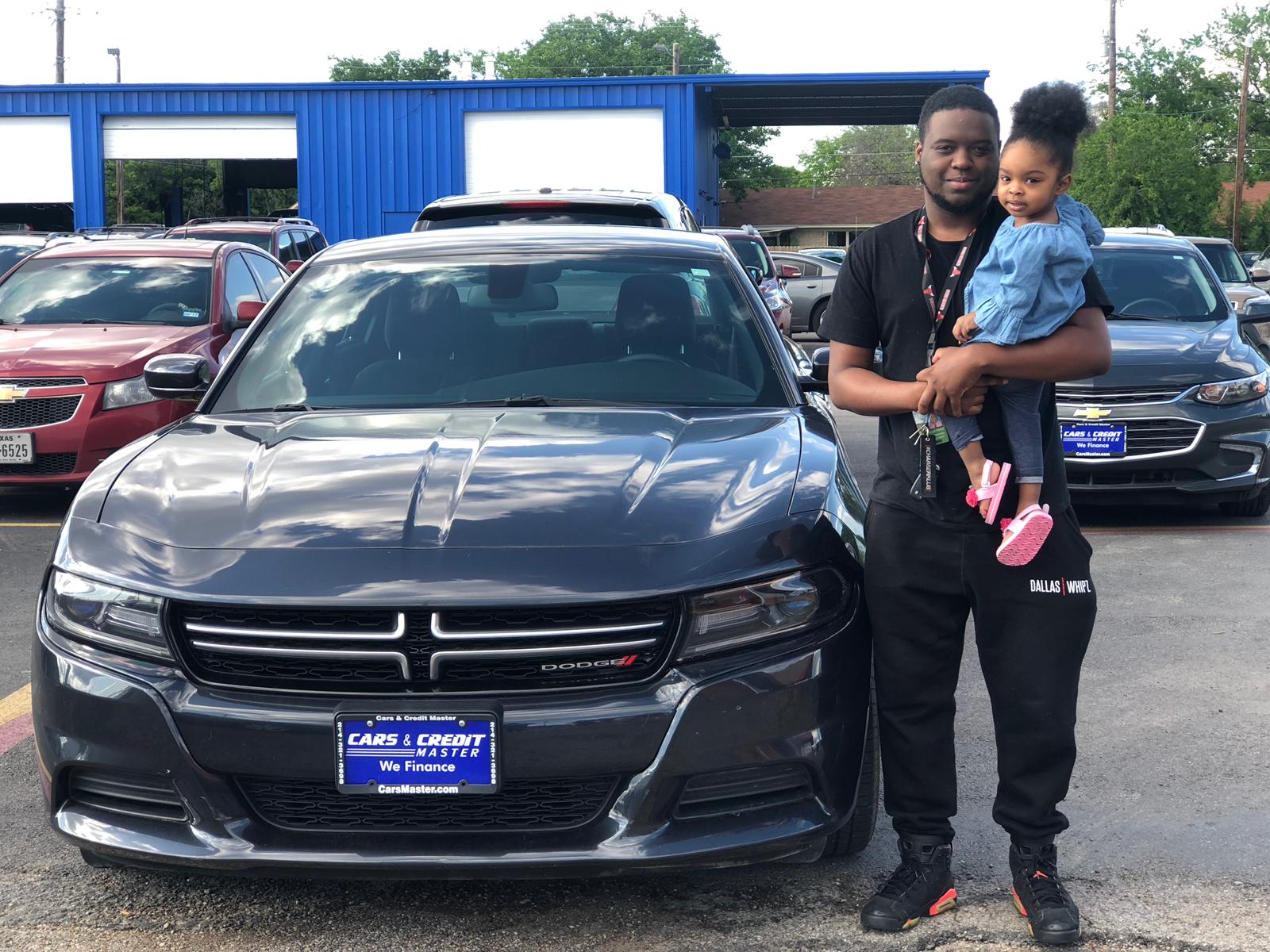
Image Source: www.carsmaster.com
How Far Does $500 Really Go?
Putting $500 down is better than nothing, but realistically, it won’t drastically change the outcome of your car loan. Let’s look at what that $500 achieves.
Decreasing Loan Amount
A down payment reduces the amount you need to borrow. Less borrowing means less interest paid over the life of the loan.
What $500 Down Actually Means
- Impact on Interest: While $500 will lower your loan amount, its impact on the overall interest paid may be minimal, especially with higher interest rates.
- Monthly Payment Reduction: Expect a slight decrease in your monthly payment, but not a dramatic one.
- Approval Chances: It may marginally improve your chances of approval, particularly if you have borderline credit.
Factors Determining the Sufficiency of $500
Several things decide if $500 is enough.
- Credit Score: A higher credit score means a lower interest rate and better loan terms, making $500 more effective.
- Vehicle Price: $500 is a larger percentage of a $5,000 car than a $30,000 car.
- Lender Policies: Some lenders require a minimum percentage down payment, regardless of the car’s price.
Finding a Car When Money is Tight
Buying a car with little money down can feel like an uphill battle. Here’s how to navigate the process.
Researching Affordable Cars
Focus your search on vehicles within your realistic budget.
- Used Cars: Used cars are generally more affordable than new ones.
- Consider Smaller Vehicles: Sedans and hatchbacks usually cost less than SUVs or trucks.
Finding $500 Down Car Dealerships
Not all dealerships offer the same financing options. Locating those specializing in low down payment car financing is crucial.
- Online Search: Use search terms like “$500 down car dealerships near me” to find local options.
- Check Dealership Websites: Many dealerships advertise specific financing programs on their websites.
- Read Reviews: Look for dealerships with good reviews about their financing process and customer service.
Negotiation Strategies
Don’t be afraid to negotiate the price of the car and the terms of the loan.
- Do Your Homework: Research the car’s market value before you start negotiating.
- Be Prepared to Walk Away: Knowing your limit and being willing to walk away gives you leverage.
- Focus on the “Out-the-Door” Price: Ensure you know the final price, including all taxes and fees.
Navigating Car Financing with Low Down Payment
$500 down car payment options can be limited, especially if you have bad credit.
Securing Car Financing
Understanding different financing avenues is essential.
- Dealership Financing: Dealerships often work with a variety of lenders. They can be a convenient starting point, but compare their offers carefully.
- Credit Unions: Credit unions typically offer better interest rates than banks or dealerships, especially if you are a member.
- Online Lenders: Several online lenders specialize in car loans for people with bad credit.
Understanding Interest Rates
Interest rates directly impact the total cost of your car.
- Impact of Credit Score: Your credit score is the biggest factor determining your interest rate.
- Shop Around: Get quotes from multiple lenders to compare rates.
- Consider a Co-signer: A co-signer with good credit can help you get a lower interest rate.
Loan Terms and Payment Options
Consider loan terms carefully to keep your payments manageable.
- Shorter vs. Longer Terms: Shorter loan terms mean higher monthly payments but less interest paid overall. Longer loan terms mean lower monthly payments but more interest.
- Bi-weekly Payments: Making payments every two weeks instead of monthly can help you pay off the loan faster and save on interest.
Used Cars $500 Down: What to Look For
Buying a used car requires careful inspection and consideration.
Inspecting the Vehicle
- Check the Car’s History: Always get a vehicle history report (like Carfax or AutoCheck) to see if the car has been in any accidents or has any title issues.
- Professional Inspection: Have a trusted mechanic inspect the car before you buy it. This can reveal hidden problems.
- Test Drive: Take the car for a thorough test drive. Pay attention to how it sounds, feels, and handles.
Hidden Costs
- Sales Tax: You’ll need to pay sales tax on the purchase price of the car.
- Registration Fees: There are fees associated with registering the car in your name.
- Insurance: You’ll need to have car insurance before you can drive the car off the lot.
- Maintenance: Used cars may require more frequent maintenance than new cars.
Bad Credit Car Loans $500 Down: Things to Consider
If you have bad credit, getting a car loan might seem impossible.
Assessing Your Credit Situation
Know your credit score and what’s on your credit report.
- Check Your Credit Report: Review your credit report for errors and dispute any inaccuracies.
- Understand Your Score: Knowing your credit score range (e.g., poor, fair, good, excellent) helps you set realistic expectations.
High-Interest Rates
Be prepared for higher interest rates if you have bad credit.
- APR Comparison: Compare the Annual Percentage Rate (APR) from different lenders.
- Total Cost of Loan: Focus on the total cost of the loan, not just the monthly payment.
Additional Fees
Some lenders charge additional fees for bad credit car loans.
- Origination Fees: These fees are charged for processing the loan.
- Prepayment Penalties: Some lenders may charge a penalty if you pay off the loan early.
Building Credit
Use your car loan to improve your credit score.
- On-Time Payments: Make all your payments on time.
- Reported to Credit Bureaus: Ensure the lender reports your payments to the credit bureaus.
Ethical Considerations and Avoiding Scams
Beware of predatory lenders and scams.
Recognizing Red Flags
Watch out for these warning signs:
- Guaranteed Approval: If a dealer guarantees approval regardless of your credit, be cautious.
- High-Pressure Sales Tactics: Don’t feel rushed into making a decision.
- Unclear Loan Terms: Make sure you understand all the terms of the loan before you sign anything.
Reputable Lenders
Stick with reputable lenders.
- Check BBB Ratings: Look up the lender on the Better Business Bureau website.
- Read Online Reviews: See what other customers have to say about the lender.
Alternatives to Car Ownership
Consider if car ownership is the best option.
Public Transportation
- Cost-Effective: Public transportation can be more affordable than car ownership.
- Environmentally Friendly: Reduces your carbon footprint.
Ride-Sharing Services
- Convenient: Great for occasional trips.
- No Maintenance Costs: You don’t have to worry about maintenance or repairs.
Car Rental
- Flexible: Rent a car only when you need it.
- Variety of Vehicles: Choose the right vehicle for your needs.
Other Mobility Options
- Biking: A healthy and eco-friendly option for short commutes.
- Walking: Ideal for local errands and short distances.
Planning for the Future
Thinking about the long-term costs of car ownership will help avoid pitfalls.
Budgeting
- Create a Budget: Track your income and expenses to see how much you can afford to spend on a car.
- Factor in All Costs: Include car payments, insurance, gas, maintenance, and repairs in your budget.
Saving
- Save for a Larger Down Payment: A larger down payment will lower your loan amount and your monthly payments.
- Emergency Fund: Have an emergency fund to cover unexpected car repairs or other expenses.
Credit Improvement
- Pay Bills on Time: Make all your bill payments on time to improve your credit score.
- Reduce Debt: Reduce your overall debt to improve your credit utilization ratio.
$500 Down Car Payment Options: Real-World Examples
To bring this discussion down to earth, here are examples.
| Scenario | Car Price | Credit Score | Down Payment | Interest Rate (Estimate) | Monthly Payment (Estimate) | Notes |
|---|---|---|---|---|---|---|
| Scenario 1: Used Sedan | $8,000 | 680 (Fair) | $500 | 12% | $230 (48 months) | Good starting point. |
| Scenario 2: Budget Hatchback | $6,000 | 620 (Poor) | $500 | 18% | $180 (48 months) | High-interest reflects credit risk. |
| Scenario 3: Older SUV | $12,000 | 720 (Good) | $500 | 8% | $300 (48 months) | Manageable with good credit. |
| Scenario 4: Basic Sedan | $15,000 | 580 (Very Poor) | $500 | 22% | $430 (48 months) | Very expensive, consider other options. |
Disclaimer: These are hypothetical examples for illustrative purposes only. Actual rates and payments will vary based on individual circumstances and lender policies.
FAQ Section
Q: Can I get a car for $500 down with bad credit?
A: Yes, it is possible, but expect higher interest rates and potentially less favorable loan terms. Shop around for lenders specializing in bad credit car loans.
Q: What is the best way to find $500 down car dealerships?
A: Start with online searches like “$500 down car dealerships near me.” Check dealership websites, and read customer reviews to find reputable dealers.
Q: What are the risks of putting a small down payment on a car?
A: With a small down payment, you’ll likely have higher monthly payments, pay more interest over the life of the loan, and potentially be “upside down” on your loan (owing more than the car is worth).
Q: Are there any hidden fees I should be aware of when buying a car with a low down payment?
A: Yes, be aware of potential fees such as origination fees, prepayment penalties, sales tax, registration fees, and doc fees. Always ask for a complete breakdown of all costs.
Q: How can I improve my chances of getting approved for a car loan with a $500 down payment?
A: Improve your credit score, gather all necessary documentation (proof of income, residence, etc.), and consider a co-signer with good credit.
Q: What is the difference between a secured and unsecured car loan?
A: A secured car loan uses the car as collateral. If you default on the loan, the lender can repossess the vehicle. Unsecured car loans don’t use collateral, but they are rare and typically come with higher interest rates.
Q: Should I lease or buy a car with a low down payment?
A: Leasing typically requires a lower down payment than buying, but you won’t own the car at the end of the lease term. Buying allows you to build equity, but it comes with higher upfront costs. Evaluate your long-term needs and financial situation to decide.
Q: Is it better to buy a new or used car with a low down payment?
A: Used cars are generally more affordable, making them a better option when you have a limited down payment. They also depreciate slower than new cars.
Securing a car with a $500 down payment is an achievable goal, but it demands a strategic approach, thorough investigation, and a keen awareness of both potential pitfalls and advantageous avenues. By arming yourself with preparation and grasping the intricacies of auto loans, you can confidently drive away in your new vehicle.

Hi, I’m Luigi Smith, the voice behind carrepairmag.com. As a passionate car enthusiast with years of hands-on experience in repairing and maintaining vehicles, I created this platform to share my knowledge and expertise. My goal is to empower car owners with practical advice, tips, and step-by-step guides to keep their vehicles running smoothly. Whether you’re a seasoned mechanic or a beginner looking to learn, carrepairmag.com is your go-to source for all things car repair!