Can cold weather affect car sensors? Yes, cold weather can absolutely affect car sensors. Low temperatures and associated conditions like ice and snow can cause a variety of problems with your vehicle’s sensors, leading to inaccurate readings, system malfunctions, and even safety concerns. Let’s delve deeper into how cold weather car sensor problems arise and what you can do about them.
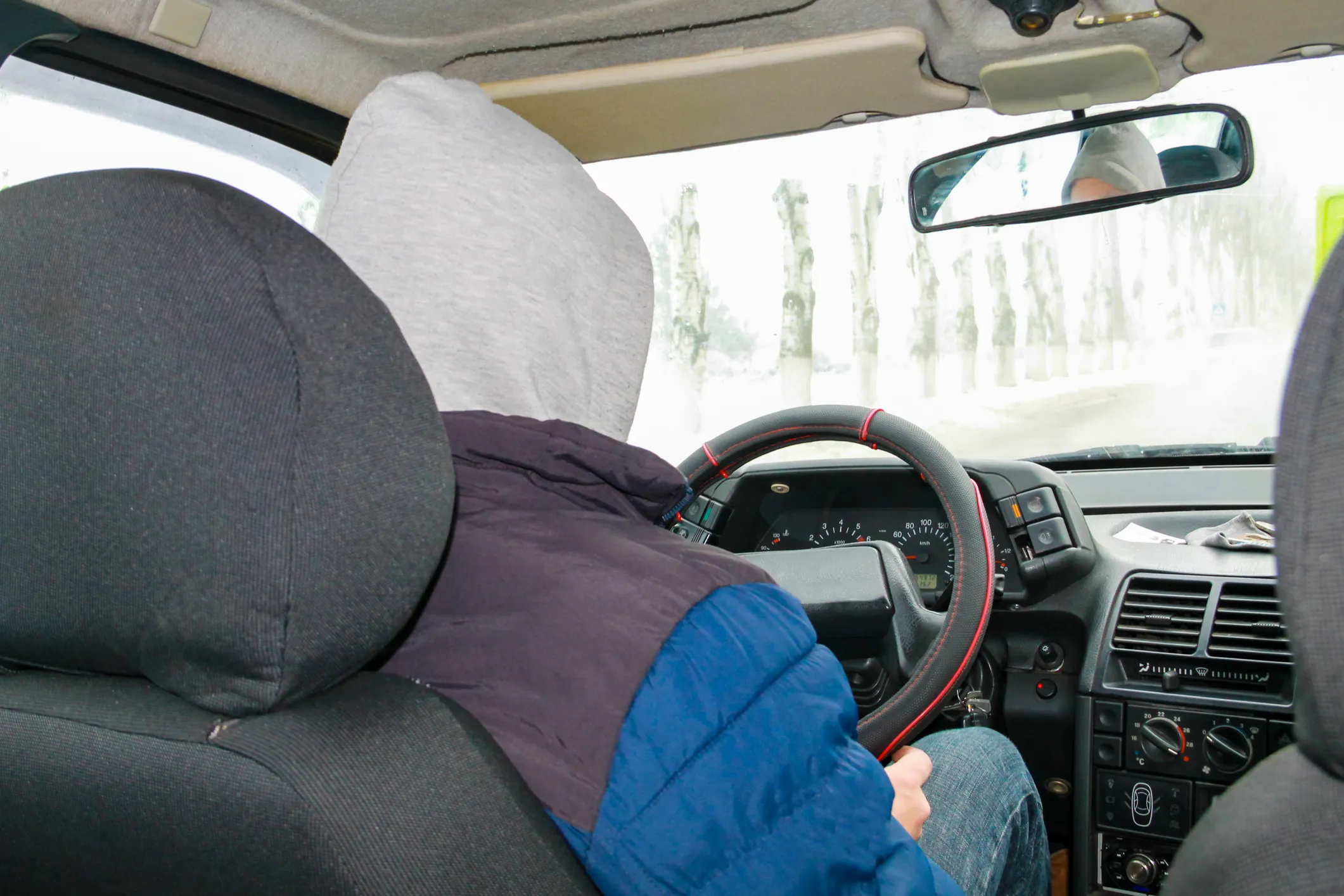
Image Source: www.horwitzlaw.com
The Chilling Effect: How Cold Impacts Car Sensors
Modern vehicles rely heavily on a network of sensors to monitor and control various systems. These sensors gather data on everything from engine temperature to tire pressure, and this information is crucial for optimal performance, fuel efficiency, and safety. However, these sensors weren’t always made with subzero temperatures in mind, and even those that were can face unique challenges in cold climates.
Temperature Impact on Car Electronics
The most direct impact of cold weather is on the sensor’s electronic components themselves.
- Reduced Conductivity: Low temperatures can decrease the conductivity of electronic circuits. This means that the electrical signals transmitted by the sensor may be weakened or distorted, leading to inaccurate readings.
- Increased Resistance: Cold can also increase the resistance within the sensor’s internal components, further hindering the flow of electricity and affecting its ability to function properly.
- Brittleness: Some sensors contain materials that can become brittle and prone to cracking or breaking in freezing temperatures. This is particularly true for older or less robust sensors.
The Role of Moisture and Ice
Beyond the direct effects of temperature, moisture and ice are significant contributors to cold weather car sensor problems.
- Ice Formation: When moisture freezes on or around a sensor, it can physically block the sensor’s ability to detect changes in its environment. For example, ice forming over a parking sensor can render it useless.
- Corrosion: Repeated exposure to moisture, especially when combined with road salt, can lead to corrosion of the sensor’s electrical connections. This corrosion can disrupt the flow of electricity and eventually cause the sensor to fail completely.
- Expansion and Contraction: The constant expansion and contraction of materials due to temperature changes can put stress on sensor components, leading to cracks, leaks, and other forms of damage.
Common Cold Weather Car Sensor Problems
Several specific sensors are particularly vulnerable to cold weather. Grasping these common cold climate automotive sensor issues is key to preventing them.
Tire Pressure Monitoring System (TPMS)
- The Problem: TPMS sensors rely on batteries to transmit tire pressure data. Cold temperatures can significantly reduce battery voltage, causing the sensors to send inaccurate readings or stop working altogether. This can trigger the TPMS warning light, even if the tire pressure is within the recommended range. Car sensor accuracy in winter can be significantly compromised.
- Solution: Check your tire pressure manually with a reliable gauge, especially when the temperature drops. If the TPMS light remains on despite correct pressure, consider replacing the sensor batteries or the entire sensor unit.
Oxygen Sensors
- The Problem: Oxygen sensors are essential for regulating the air-fuel mixture in your engine. Cold starts can cause condensation to form inside the exhaust system, potentially damaging the sensor. Additionally, if the sensor is already old or contaminated, the cold can exacerbate these issues, leading to inaccurate readings and poor engine performance.
- Solution: Ensure your engine is properly maintained and that the exhaust system is in good condition. Consider using a fuel system cleaner to remove deposits that may be affecting the oxygen sensors. Replacing oxygen sensors at recommended intervals can also prevent issues.
Anti-lock Braking System (ABS) Sensors
- The Problem: ABS sensors monitor wheel speed to prevent skidding during braking. Freezing temperatures affecting vehicle sensors, particularly ABS sensors, is common. Ice, snow, and debris can accumulate around the sensors, disrupting their ability to accurately detect wheel speed. This can cause the ABS system to malfunction, potentially compromising braking performance.
- Solution: Regularly inspect and clean the ABS sensors, especially after driving in snowy or icy conditions. Check the sensor wiring for any signs of damage or corrosion.
Mass Airflow (MAF) Sensor
- The Problem: The MAF sensor measures the amount of air entering the engine. In cold weather, condensation and ice can form inside the intake system, affecting the sensor’s accuracy. A contaminated or damaged MAF sensor can lead to poor fuel economy, rough idling, and stalling.
- Solution: Use a quality air filter to prevent debris from entering the intake system. Clean the MAF sensor periodically with a MAF sensor cleaner.
Engine Coolant Temperature (ECT) Sensor
- The Problem: The ECT sensor monitors the engine’s coolant temperature. An inaccurate ECT sensor reading can cause the engine to run rich (too much fuel) or lean (not enough fuel), leading to poor performance and increased emissions. Cold can also cause the sensor to fail entirely, preventing the engine from starting.
- Solution: Ensure your cooling system is properly maintained and that the coolant is at the correct level and concentration. Replace the ECT sensor if you suspect it is malfunctioning.
Parking Sensors
- The Problem: Parking sensors rely on ultrasound or electromagnetic waves to detect obstacles. Ice and snow buildup on the sensor surface can block these waves, rendering the sensors useless.
- Solution: Regularly clean parking sensors to remove any ice, snow, or debris. Consider using a de-icing spray specifically designed for car sensors.
Other Sensors
Beyond these common examples, other sensors, such as those related to transmission control, stability control, and adaptive cruise control, can also be affected by cold weather. These systems are complex, and sensor failures can have a wide range of consequences, from minor inconveniences to serious safety hazards.
Recognizing Winter Driving Sensor Failure
Being able to identify signs of cold weather car sensor problems is crucial. Here are some common symptoms to watch out for:
- Warning Lights: The most obvious sign of a sensor problem is the illumination of a warning light on your dashboard. Pay attention to the TPMS, ABS, check engine, and other warning lights.
- Poor Engine Performance: Rough idling, stalling, reduced power, and poor fuel economy can all be indicators of a sensor issue.
- Erratic System Behavior: If your ABS, traction control, or other systems are behaving erratically, it could be due to a faulty sensor.
- Inaccurate Readings: Pay attention to gauges and displays that show sensor data, such as tire pressure, engine temperature, and fuel consumption. If these readings seem unusual, it could indicate a sensor problem.
Prevention Tips: Protecting Your Car Sensors in Cold Weather
While you can’t completely eliminate the risk of cold weather car sensor problems, there are several steps you can take to minimize the likelihood of issues and maintain car sensor performance in extreme cold.
Regular Maintenance
- Scheduled Servicing: Follow your vehicle manufacturer’s recommended maintenance schedule, including oil changes, filter replacements, and fluid checks.
- Battery Inspection: Have your battery tested regularly, especially before the onset of winter. A weak battery is more susceptible to failure in cold temperatures.
- Cooling System Service: Ensure your cooling system is properly maintained, with the correct coolant level and concentration.
- Tire Inspection: Check your tire pressure regularly and inspect your tires for wear and damage.
- Sensor Checks: If you suspect a sensor problem, have it diagnosed and repaired by a qualified mechanic as soon as possible.
Winter-Specific Preparations
- Use Winter Tires: Winter tires provide superior traction in snow and ice, reducing the strain on your ABS and traction control systems.
- Keep Your Car Clean: Regularly wash your car to remove road salt and other contaminants that can corrode sensors and electrical connections.
- Protect Sensors from Ice: Use de-icing sprays or covers to prevent ice from forming on sensors, particularly parking sensors and windshield-mounted sensors.
- Warm Up Your Engine: Allow your engine to warm up for a few minutes before driving, especially in extremely cold weather. This helps to ensure that all the sensors are functioning properly.
Smart Driving Habits
- Drive Cautiously: Drive more slowly and carefully in snowy or icy conditions to reduce the risk of accidents and minimize the strain on your vehicle’s systems.
- Avoid Deep Snow: Avoid driving through deep snow whenever possible, as this can damage sensors and other components.
- Store Your Car Indoors: If possible, store your car in a garage or carport to protect it from the elements.
Repairing or Replacing Damaged Sensors
If a sensor fails, it’s typically best to replace it rather than attempt a repair. Sensors are precision instruments, and repairing them can be difficult and unreliable.
- Diagnosis: Accurate diagnosis is crucial. Use a code reader or consult a qualified mechanic to determine which sensor is malfunctioning.
- Quality Parts: Use high-quality replacement sensors from reputable manufacturers.
- Professional Installation: If you are not comfortable working on your car, have the sensor replaced by a qualified mechanic.
Technology Advancements and Cold Weather
The automotive industry is continuously developing new technologies to improve sensor performance in cold weather. These advancements include:
- Heated Sensors: Some sensors are now equipped with heating elements to prevent ice formation and maintain optimal operating temperatures.
- Improved Materials: Manufacturers are using more durable and temperature-resistant materials in sensor construction.
- Advanced Algorithms: Software algorithms are being developed to compensate for sensor inaccuracies caused by cold weather.
Automotive Sensors and Subzero Temperatures
Cars are becoming increasingly reliant on advanced sensors and systems, which in turn are greatly affected by external temperatures. Therefore, it is important to understand how these technologies are affected by subzero temperatures to maintain car performance.
Fathoming Low Temperature Car Sensor Malfunction
Ultimately, understanding how cold weather impacts your car’s sensors is essential for safe and reliable winter driving. By taking preventative measures, recognizing the symptoms of sensor problems, and seeking timely repairs, you can help ensure that your vehicle performs optimally, even in the harshest winter conditions.
Frequently Asked Questions (FAQ)
Q: Can extreme cold completely disable a car sensor?
A: Yes, extreme cold can potentially disable a car sensor, especially if combined with moisture or physical damage. The sensor may become temporarily inoperable, or it could suffer permanent damage requiring replacement.
Q: How much does it cost to replace a car sensor?
A: The cost to replace a car sensor varies depending on the type of sensor, the vehicle make and model, and the labor costs in your area. It could range from $100 to $500 or more.
Q: Can I drive with a faulty car sensor?
A: Driving with a faulty car sensor can be risky. Depending on the sensor, it could affect your vehicle’s performance, fuel economy, or safety systems. It’s best to have the sensor repaired or replaced as soon as possible.
Q: Are some car brands more prone to sensor problems in cold weather than others?
A: While all car brands can experience sensor problems in cold weather, some brands may be more susceptible due to differences in sensor design, location, and quality. However, proper maintenance and winter preparation can help mitigate these issues.
Q: Is there a specific temperature at which car sensors start to malfunction?
Forget a magic number; freezing temperatures don’t automatically doom your sensors. While the chill below 32°F (0°C) certainly makes them more susceptible to hiccups, a symphony of other elements – humidity levels, how long the sensor has been around, and its overall well-being – all contribute to its potential for failure.

Hi, I’m Luigi Smith, the voice behind carrepairmag.com. As a passionate car enthusiast with years of hands-on experience in repairing and maintaining vehicles, I created this platform to share my knowledge and expertise. My goal is to empower car owners with practical advice, tips, and step-by-step guides to keep their vehicles running smoothly. Whether you’re a seasoned mechanic or a beginner looking to learn, carrepairmag.com is your go-to source for all things car repair!