Can you pay a car lease in full? Yes, you typically have the option to purchase the vehicle you’re leasing, also known as a lease buyout, at any point during the lease term. However, the cost and implications of paying off car lease early can vary significantly. This article explores your options for paying off a car lease in full, covering everything from the auto lease purchase option to the potential advantages and disadvantages of a lease buyout.
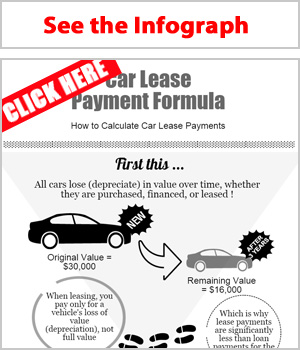
Image Source: www.leaseguide.com
Deciphering the Auto Lease Purchase Option
When you lease a vehicle, you’re essentially renting it for a set period. However, most lease agreements include an auto lease purchase option, which gives you the right to buy the car, truck, or SUV at a predetermined price. This price is usually outlined in your original lease contract. The auto lease purchase option is a key part of the deal. It lets you have ownership of the vehicle at the end of the lease end options period, or sooner, if you choose paying off car lease early.
How the Purchase Option Works
The purchase option price is generally based on the vehicle’s estimated market value at the end of the lease term, plus any applicable taxes and fees. Several factors influence this price:
- Estimated Residual Value: This is the predicted value of the car when the lease ends. It is based on the vehicle’s expected depreciation during the lease.
- Market Conditions: Current market conditions can influence the car’s actual value. A high demand for used cars could raise the price, while a glut of used cars could lower it.
- Negotiation (Sometimes): While the purchase option price is usually fixed, some dealerships might be open to negotiation, especially near the end of the lease.
Finding the Purchase Option Price
Your lease agreement should clearly state the purchase option price. If you can’t find it, contact the leasing company or dealership directly. They can provide you with the exact cost of buying out a lease at any point during your lease term.
Exploring Early Lease Termination vs. Lease Buyout
Early lease termination and a lease buyout are two different ways to end a lease early. Although both involve ending the lease before the agreed-upon term, they have different financial implications.
Early Lease Termination
Early lease termination means returning the car to the leasing company before the lease ends. This usually involves paying substantial penalties, which can include:
- Remaining Lease Payments: You might be responsible for all or a significant portion of the remaining lease payments.
- Early Termination Fee: This is a specific fee outlined in your lease agreement.
- Disposition Fee: This covers the cost of preparing the car for resale.
- Difference Between the Car’s Market Value and the Residual Value: If the car’s current market value is less than the residual value stated in your lease, you’ll have to pay the difference.
Lease Buyout: A Better Alternative?
A lease buyout, on the other hand, involves purchasing the car from the leasing company. While you’ll still need to pay the cost of buying out a lease, this option may be more financially sound than early lease termination. This is especially true if the vehicle’s current market value is higher than the purchase option price.
Here’s a table highlighting the key differences:
| Feature | Early Lease Termination | Lease Buyout |
|---|---|---|
| Outcome | Return the vehicle to the leasing company. | Purchase the vehicle from the leasing company. |
| Financial Implications | Significant penalties, including remaining lease payments, fees, and potential depreciation costs. | Purchase option price, plus taxes and fees. |
| Potential Benefits | Avoid further lease payments if the penalties are lower than the cost of buying out. | Own the vehicle, potentially at a price lower than its market value. |
| Best For | Situations where the cost of termination is less than the vehicle’s value or the remaining lease. | Situations where the vehicle is in good condition and you want to own it. |
When Is It Worth Buying Out My Lease?
Deciding is it worth buying out my lease requires careful consideration. Several factors should influence your decision:
1. Market Value vs. Purchase Option Price
The most crucial factor is the difference between the car’s current market value and the purchase option price. To determine the market value, you can:
- Check Online Valuation Tools: Websites like Kelley Blue Book (KBB) and Edmunds provide estimated market values based on the car’s condition, mileage, and features.
- Get Appraisals from Dealerships: Visit a few dealerships and ask for a trade-in appraisal. This will give you a realistic estimate of what the car is worth.
- Research Comparable Listings: Look at similar vehicles listed for sale online to see what they are selling for in your area.
If the market value is significantly higher than the purchase option price, buying out the lease can be a smart financial move. You can then keep the car, sell it for a profit, or avoid the hassle of finding a new vehicle.
2. Condition and Mileage
Assess the car’s condition. If it’s in excellent condition with low mileage, buying it out might be a good idea, especially if you’ve taken good care of it. You know its history and maintenance record, which can be a significant advantage. However, if the car has sustained damage or has high mileage, consider whether the cost of repairs and maintenance will outweigh the benefits of ownership.
3. Future Transportation Needs
Think about your future transportation needs. If you like the car and it meets your needs, buying it out can save you the time and effort of finding a replacement. However, if your needs have changed (e.g., you need a larger vehicle or want something more fuel-efficient), returning the car at the end of the lease might be a better option.
4. Avoid Excess Wear and Tear Charges
Returning a leased vehicle with excessive wear and tear can result in hefty charges. Dents, scratches, interior stains, and tire wear can all add up. Buying out the lease eliminates the worry about these charges.
5. Personal Attachment
Sometimes, the decision to buy out a lease is simply a matter of personal preference. If you love the car and don’t want to part with it, buying it out can be a worthwhile investment, even if it’s not the most financially advantageous option.
How to Calculate the Cost of Buying Out Your Lease
Accurately calculating the cost of buying out a lease is essential for making an informed decision. Here’s a breakdown of the components involved:
- Purchase Option Price: This is the price stated in your lease agreement.
- Sales Tax: You’ll need to pay sales tax on the purchase price, just as you would when buying a new car. The tax rate varies by state and locality.
- Title and Registration Fees: These fees cover the cost of transferring the title and registering the car in your name.
- Other Fees: The leasing company may charge additional fees, such as a documentation fee or a lease buyout fee.
Using a Car Lease Payoff Calculator
A car lease payoff calculator can help you estimate the total cost of buying out a lease. These calculators typically require you to enter the purchase option price, sales tax rate, and any applicable fees. While these calculators provide a useful estimate, it’s always best to confirm the exact payoff amount with the leasing company.
Example Calculation
Let’s say your purchase option price is \$15,000, the sales tax rate is 6%, and there’s a \$100 documentation fee. The calculation would look like this:
- Purchase Option Price: \$15,000
- Sales Tax (6% of \$15,000): \$900
- Documentation Fee: \$100
- Total Cost: \$16,000
Financing a Lease Buyout
If you decide to buy out your lease but don’t have the cash on hand, you can finance the purchase. Financing a lease buyout is similar to getting a car loan to buy a used car.
Obtaining a Car Loan
- Shop Around for the Best Rates: Compare interest rates and loan terms from different lenders, including banks, credit unions, and online lenders.
- Get Pre-Approved: Getting pre-approved for a car loan gives you a better idea of how much you can borrow and what your monthly payments will be.
- Consider a Secured Loan: Since the car will serve as collateral, you’ll likely qualify for a lower interest rate on a secured car loan than on an unsecured personal loan.
Benefits of Financing
- Preserves Cash: Financing allows you to spread the cost of the buyout over time, preserving your savings.
- Builds Credit: Making timely loan payments can help improve your credit score.
- Affordable Monthly Payments: You can choose a loan term that fits your budget, making the buyout more manageable.
Drawbacks of Financing
- Interest Charges: You’ll pay interest on the loan, increasing the overall cost of the buyout.
- Potential for Negative Equity: If the car’s value depreciates faster than you pay down the loan, you could end up owing more than the car is worth.
Alternatives to Buying Out Your Lease
If buying out your lease isn’t the right option for you, consider these alternatives:
- Return the Vehicle at the End of the Lease: This is the simplest option. Just make sure to address any excess wear and tear before returning the car.
- Lease a New Vehicle: You can trade in your current leased vehicle and lease a new one. This allows you to upgrade to a newer model with the latest features.
- Purchase a Used Car: Instead of buying out your lease, you could purchase a used car. This can be a more affordable option, especially if you’re looking to save money on transportation costs.
A Step-by-Step Guide to Buying Out Your Lease
If you’ve decided to buy out your lease, here’s a step-by-step guide to the process:
- Contact the Leasing Company: Request a lease buyout quote. This quote will include the purchase option price, sales tax, and any applicable fees.
- Determine the Car’s Market Value: Use online valuation tools and get appraisals from dealerships to determine the car’s current market value.
- Secure Financing (If Needed): Shop around for the best car loan rates and get pre-approved.
- Schedule an Inspection: Have the car inspected by a trusted mechanic to identify any potential issues.
- Finalize the Paperwork: Complete the necessary paperwork with the leasing company and the lender (if financing).
- Pay the Purchase Price and Fees: Pay the purchase option price, sales tax, title and registration fees, and any other applicable fees.
- Obtain the Title: The leasing company will transfer the title to you once the payment is processed.
- Register the Vehicle: Register the vehicle in your name with your local Department of Motor Vehicles (DMV).
Grasping Lease End Options
As your lease nears its end, you have several lease end options to consider. It’s wise to start exploring these options a few months before the lease expires to make an informed choice. Your lease end options include:
- Returning the Vehicle: This is the most straightforward option. You simply return the vehicle to the dealership, pay any applicable fees (such as excess wear and tear charges), and walk away.
- Buying Out the Lease: As discussed earlier, this involves purchasing the vehicle from the leasing company.
- Trading In the Vehicle: You can trade in your leased vehicle for a new lease or purchase. The dealership will assess the car’s value and apply it toward the new vehicle.
- Extending the Lease: In some cases, you can extend the lease for a short period. This can be useful if you need more time to decide what to do or are waiting for a new vehicle to become available.
Fathoming Lease to Own Vehicle
The term “lease to own vehicle” is often used interchangeably with lease buyout. Essentially, both terms refer to the process of purchasing a vehicle at the end of a lease agreement. The lease to own vehicle option provides a path to ownership that’s agreed upon at the start of the lease.
Is Lease-to-Own right for you?
If you like the vehicle you’ve been leasing and can foresee its continued use and value, lease to own vehicle might be a perfect route for you. However, carefully assess all the options to ensure it’s the best financial choice for your circumstances.
Frequently Asked Questions (FAQ)
Q: What is the difference between a lease buyout and early lease termination?
A: A lease buyout is when you purchase the vehicle you’re leasing, while early lease termination is when you return the vehicle to the leasing company before the lease ends, usually incurring significant penalties.
Q: Can I negotiate the purchase option price?
A: While the purchase option price is typically fixed, some dealerships may be open to negotiation, especially near the end of the lease.
Q: Who is responsible for sales tax when buying out a lease?
A: The buyer is responsible for paying sales tax on the purchase price of the vehicle.
Q: What is a car lease payoff calculator?
A: A car lease payoff calculator is a tool that helps you estimate the total cost of buying out a lease, including the purchase option price, sales tax, and fees.
Q: Is it worth buying out my lease if the car needs repairs?
A: It depends. Get estimates for the repairs and compare the total cost (including the buyout price and repair costs) to the market value of the car. If the total cost is less than the market value, it might still be worth buying out the lease.
Q: What happens if I don’t buy out my lease?
A: If you don’t buy out your lease, you simply return the vehicle to the leasing company at the end of the lease term, subject to any excess wear and tear charges.
To navigate the best path forward with your car lease – whether that means settling up early or sticking to the finish line – a deep dive into your choices and thorough investigation are your essential guides for making the decision that truly fits your situation.

Hi, I’m Luigi Smith, the voice behind carrepairmag.com. As a passionate car enthusiast with years of hands-on experience in repairing and maintaining vehicles, I created this platform to share my knowledge and expertise. My goal is to empower car owners with practical advice, tips, and step-by-step guides to keep their vehicles running smoothly. Whether you’re a seasoned mechanic or a beginner looking to learn, carrepairmag.com is your go-to source for all things car repair!