What is the best way to protect your car from snow? The best way to protect your car from snow involves a combination of preparation, prevention, and careful snow removal. This includes using a car snow cover or applying a protective coating, regularly removing snow and ice, and taking steps to prevent rust and corrosion. Winter weather can be tough on vehicles, but with the right approach, you can minimize damage and keep your car running smoothly for years to come. This guide provides everything you need to know about snow car protection.
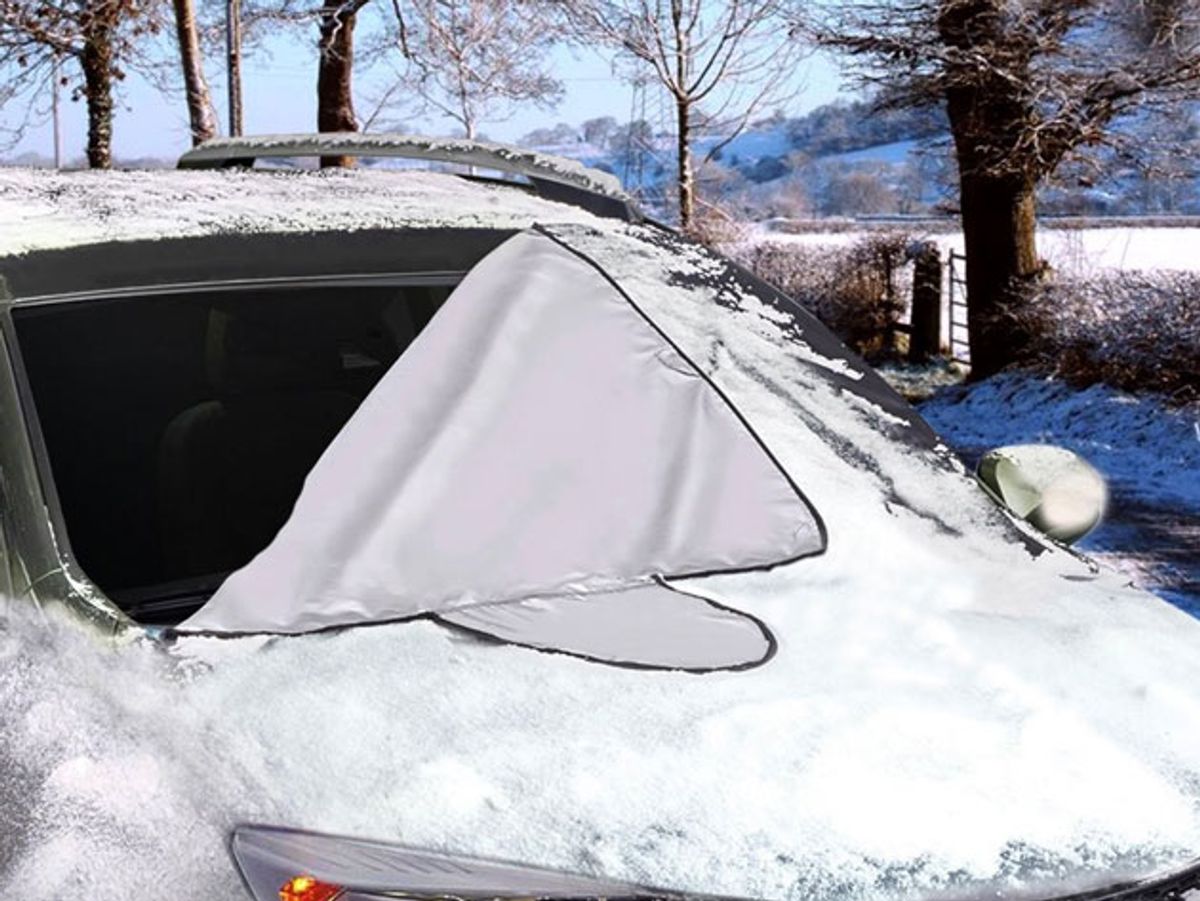
Image Source: mediaproxy.salon.com
The Impact of Snow and Ice on Your Car
Winter weather can wreak havoc on your vehicle. Ice, snow, and road salt all contribute to various problems that can affect both the appearance and performance of your car. Before diving into winter car care, it’s helpful to know exactly what you’re up against.
Corrosion and Rust
Salt used on roads to melt ice is extremely corrosive. It accelerates the rusting process on exposed metal and eats away at your car’s undercarriage. Even small scratches or chips in the paint can become entry points for rust.
Damage to Paint
Repeated scraping to remove ice and snow can scratch your car’s paint. Additionally, the weight of heavy snow accumulation can cause paint to crack or bubble, especially if there are already weak spots.
Issues with Tires and Suspension
Cold temperatures cause tire pressure to decrease, leading to poor handling and increased wear. Snow and ice can also damage suspension components and reduce the effectiveness of brakes.
Electrical Problems
Water and salt can infiltrate electrical connections, causing shorts and malfunctions. This can affect everything from your headlights and taillights to your car’s computer system.
Reduced Visibility
Snow and ice buildup on windows and mirrors severely limits visibility, making driving dangerous. A frozen windshield makes it harder to see.
Car Snow Preparation: Getting Ready for Winter
Proactive preparation is key to car snow damage prevention. Taking these steps before the first snowfall can significantly reduce the risk of damage and keep you safe on the road.
Switching to Winter Tires
Winter tires are designed with a special rubber compound that stays flexible in cold temperatures, providing better grip on snow and ice. Their tread patterns are also designed to channel away snow and slush, improving traction.
| Feature | Winter Tires | All-Season Tires |
|---|---|---|
| Rubber Compound | Stays flexible in cold temperatures | Hardens in cold temperatures |
| Tread Pattern | Designed for snow and ice | Designed for varied conditions |
| Grip | Superior on snow and ice | Reduced on snow and ice |
| Safety | Enhanced braking and handling in winter | Compromised braking and handling in winter |
Applying a Protective Coating
Waxing your car before winter can provide a protective barrier against salt and moisture. Consider using a ceramic coating for even longer-lasting protection.
Types of Protective Coatings:
- Wax: Affordable and easy to apply, but needs to be reapplied regularly.
- Sealant: Offers better durability than wax and provides good protection against UV rays and chemicals.
- Ceramic Coating: Provides the highest level of protection and lasts for several years. It is resistant to scratches, chemicals, and UV rays.
Checking and Topping Off Fluids
Make sure your antifreeze, windshield washer fluid, and oil are at the proper levels. Use a winter-specific windshield washer fluid that won’t freeze.
Inspecting Your Battery
Cold weather reduces battery capacity. Have your battery tested to ensure it’s in good condition. If it’s more than three years old, consider replacing it.
Preparing an Emergency Kit
Keep an emergency kit in your car with items like a flashlight, jumper cables, first-aid kit, blanket, snow shovel, ice scraper, and sand or kitty litter for traction.
Choosing the Best Car Snow Cover
A ice car cover can provide an extra layer of protection against snow and ice accumulation. There are many different types of covers available, so it’s important to choose one that fits your needs and budget.
Types of Car Covers
- Full Car Cover: Protects the entire car from bumper to bumper.
- Windshield Cover: Covers only the windshield, preventing ice buildup.
- Half Car Cover: Covers the top half of the car, including the windshield and roof.
Factors to Consider When Choosing a Car Cover
- Material: Look for a waterproof and breathable material that won’t trap moisture.
- Fit: Make sure the cover is designed for your car’s make and model.
- Ease of Use: Choose a cover that is easy to install and remove.
- Durability: Look for a cover made from high-quality materials that will withstand harsh weather conditions.
Car Cover Materials Comparison
| Material | Waterproof | Breathable | Durability | Pros | Cons |
|---|---|---|---|---|---|
| Polyester | Yes | Yes | Medium | Lightweight, affordable | Can be damaged by prolonged sun exposure |
| Polypropylene | Yes | No | Low | Inexpensive | Not breathable, can trap moisture |
| Polyethylene | Yes | No | Medium | Durable, waterproof | Not breathable, can be stiff in cold weather |
| Coated Polyester | Yes | Yes | High | Waterproof, breathable, durable | More expensive than other materials |
Snow Car Removal: Safely Clearing Your Vehicle
Knowing how to safely remove snow from your car is crucial for both your safety and the car’s well-being. Improper snow car removal techniques can cause damage.
Using the Right Tools
- Snow Brush: Use a snow brush with soft bristles to avoid scratching the paint.
- Ice Scraper: Choose a scraper with a comfortable handle and a durable blade.
- Snow Shovel: A small snow shovel can be helpful for clearing snow around the car.
- De-icer Spray: Use a de-icer spray to melt ice buildup on windows and mirrors.
Safe Snow Removal Techniques
- Start with the Roof: Clear the roof first to prevent snow from falling onto the windshield while you’re driving.
- Clear the Windows and Mirrors: Ensure all windows and mirrors are completely clear for maximum visibility.
- Remove Snow from Lights: Clear snow from headlights, taillights, and turn signals to ensure you are visible to other drivers.
- Clear Around the Exhaust Pipe: Make sure the exhaust pipe is clear to prevent carbon monoxide poisoning.
What NOT to Do
- Don’t use hot water: Hot water can cause the windshield to crack, especially in extremely cold temperatures.
- Don’t use sharp objects: Avoid using metal scrapers or other sharp objects that can scratch the paint.
- Don’t neglect the roof: Driving with snow on the roof is dangerous and illegal in many areas.
Winter Car Maintenance Tips: Staying on Top of Things
Regular winter car maintenance tips are essential for keeping your car in good condition throughout the cold months. Here are some key tasks to perform:
Regular Washing
Wash your car frequently to remove salt and other road debris. Pay special attention to the undercarriage, wheel wells, and rocker panels.
Inspecting for Damage
Regularly inspect your car for signs of rust, corrosion, or paint damage. Address any issues promptly to prevent them from worsening.
Maintaining Tire Pressure
Check your tire pressure regularly and adjust it as needed. Cold temperatures cause tire pressure to decrease, so you may need to add air more frequently in winter.
Checking Fluid Levels
Regularly check and top off all fluid levels, including antifreeze, windshield washer fluid, oil, brake fluid, and power steering fluid.
Lubricating Locks and Hinges
Use a silicone-based lubricant to prevent locks and hinges from freezing.
Protect Car From Ice: Preventing Ice Buildup
Ice buildup can be a major headache. These methods can help prevent ice formation on your car.
Using a Windshield Cover
A windshield cover is a simple and effective way to prevent ice from forming on the windshield.
Applying a De-Icing Solution
Apply a de-icing solution to windows and mirrors before a storm to prevent ice from forming.
Parking in a Garage
Parking your car in a garage can protect it from snow and ice accumulation.
Using a Car Cover
As mentioned earlier, using a car cover will protect the entire car from the elements.
Car Snow Safety: Driving Safely in Winter Conditions
Car snow safety is paramount. Winter driving presents unique challenges, and it’s important to adjust your driving habits to stay safe.
Driving Tips for Snowy and Icy Conditions
- Reduce Speed: Drive slower than you normally would, and increase your following distance.
- Accelerate and Brake Gently: Avoid sudden acceleration or braking, which can cause you to lose control.
- Steer Smoothly: Make smooth, gradual steering adjustments.
- Be Aware of Black Ice: Black ice is a thin, transparent layer of ice that can be difficult to see. Be especially cautious on bridges, overpasses, and shaded areas.
- Avoid Cruise Control: Do not use cruise control on snowy or icy roads.
- Know How to Handle a Skid: If your car starts to skid, steer in the direction of the skid. Do not slam on the brakes.
What to Do If You Get Stuck in the Snow
- Stay Calm: Don’t panic.
- Clear Snow Around Tires: Use a shovel to clear snow away from the tires.
- Add Traction: Place sand, kitty litter, or traction mats under the tires to improve grip.
- Rock the Car: Gently rock the car back and forth to try to free it.
- Call for Help: If you can’t get the car moving, call for assistance.
Benefits of Preparing Your Car for Winter
Investing time and effort in preparing your car for winter offers several benefits:
- Extends the Life of Your Vehicle: By preventing rust and corrosion, you can extend the lifespan of your car.
- Maintains its Value: A well-maintained car will hold its value better.
- Ensures Safety: Proper preparation helps ensure your safety and the safety of others on the road.
- Saves Money: Preventing damage can save you money on repairs in the long run.
- Provides Peace of Mind: Knowing that your car is ready for winter weather can give you peace of mind.
FAQs About Protecting Your Car From Snow
Q: Can I use regular household items to de-ice my windshield?
A: No, you should avoid using household items like hot water or vinegar on your windshield. Hot water can cause the glass to crack, and vinegar can damage the car’s paint and trim. Use a commercial de-icer spray specifically designed for automotive use.
Q: What is the best way to prevent rust on my car in the winter?
A: The best way to prevent rust is to regularly wash your car, especially the undercarriage, to remove salt and road debris. Applying a protective coating of wax or sealant can also help. Address any scratches or chips in the paint promptly to prevent rust from forming.
Q: How often should I wash my car in the winter?
A: You should wash your car as frequently as possible, ideally at least once a week. This will help remove salt and other corrosive materials that can damage the paint and undercarriage.
Q: Is it better to use a snow brush or an ice scraper to remove snow from my car?
A: It’s best to use both a snow brush and an ice scraper. Use the snow brush to remove loose snow from the car, and then use the ice scraper to remove any ice buildup on the windows and mirrors. Be sure to use gentle pressure to avoid scratching the paint or glass.
Q: What should I do if my car battery dies in cold weather?
A: If your car battery dies in cold weather, you can try jump-starting it with jumper cables and another vehicle. If that doesn’t work, you may need to have the battery replaced. It’s a good idea to have your battery tested before winter to ensure it’s in good condition.
Conclusion
Brave the winter chill with a bulletproof defense for your ride! Shielding your car from snow and ice isn’t a single act, but a clever strategy. Get ahead of the game by prepping your vehicle, arm yourself with the best snow-clearing arsenal, and keep your car humming with consistent upkeep. This triple threat keeps winter’s harsh grip from inflicting damage, ensuring your wheels are road-ready and looking sharp all season long. Think of winter car care as more than just preserving your investment; it’s a commitment to your safety and the well-being of everyone sharing the road. Investing in winter protection is investing in your car’s enduring strength and your own worry-free driving.

Hi, I’m Luigi Smith, the voice behind carrepairmag.com. As a passionate car enthusiast with years of hands-on experience in repairing and maintaining vehicles, I created this platform to share my knowledge and expertise. My goal is to empower car owners with practical advice, tips, and step-by-step guides to keep their vehicles running smoothly. Whether you’re a seasoned mechanic or a beginner looking to learn, carrepairmag.com is your go-to source for all things car repair!