Can I get a car wash after tinting my windows? No, you should not get a car wash immediately after getting your windows tinted. You need to wait for the window tint to fully cure, which can take anywhere from 24 hours to several weeks, depending on the type of tint and the climate. Washing your car too soon can damage the tint and cause bubbles or peeling.
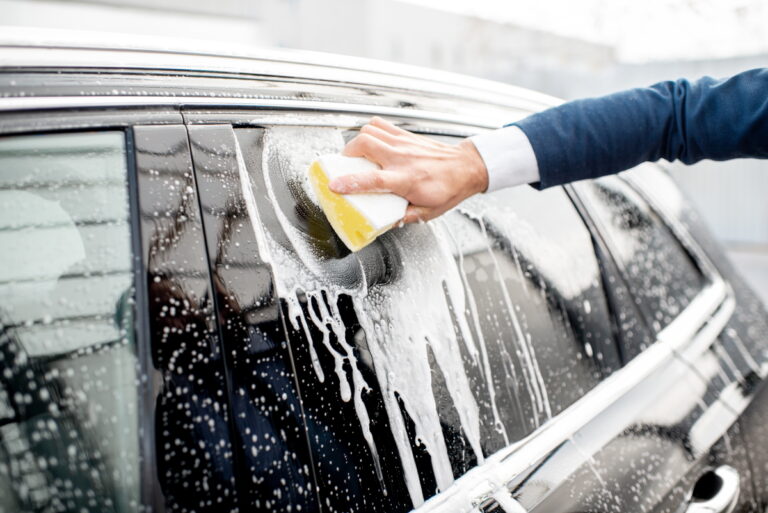
Image Source: qualityautoglasstint.com
The Importance of Window Tint Curing Time
New window tint might look fantastic, but it’s still delicate during the curing process. The curing process is when the adhesive bonds completely to the glass. Rushing this process can lead to costly mistakes. Here’s a deeper look at why patience is key:
What is Window Tint Curing?
Curing refers to the time it takes for the adhesive used to apply window film to fully bond with the glass surface. This bond needs to be strong for the tint to last and perform as expected. During curing, excess moisture used during installation evaporates.
Why is Curing Time Important?
- Prevents Bubbling: Washing your car too soon can introduce moisture between the tint and the glass, leading to unsightly bubbles.
- Avoids Peeling: A premature car wash can weaken the adhesive bond, causing the tint to peel away from the edges.
- Ensures Clarity: Proper curing allows the tint to settle, providing optimal visibility and heat rejection.
- Extends Tint Lifespan: Giving the tint ample curing time ensures it adheres correctly, increasing its lifespan and protecting your investment.
Factors Affecting Window Tint Curing Time
Several factors can affect how long your window tint needs to cure:
- Type of Tint: Different types of window film have varying curing times. Standard dyed films often take longer than ceramic tints.
- Climate: Humidity and temperature play a significant role. In hot, dry climates, the tint may cure faster than in cold, humid ones.
- Installation Quality: A professional installation ensures proper preparation and application, which can positively affect curing time.
- Adhesive Type: The type of adhesive used by the installer directly affects the curing time.
General Guidelines for Window Tint Curing Time
| Type of Tint | Typical Curing Time |
|---|---|
| Standard Dyed Film | 1-4 weeks |
| Metallic Film | 2-4 weeks |
| Carbon Film | 1-3 weeks |
| Ceramic Tint | 24 hours – 1 week |
Note: Always consult with your window tint installer for their specific recommendations. They will know the exact type of film used and can provide the most accurate curing time estimate.
How Long to Wait to Wash Car After Tint
Generally, avoid washing your car for at least 2 to 7 days after window tinting. However, the type of tint will affect these recommendations. For many standard tints, waiting for 1 – 4 weeks is recommended.
Immediate Aftercare: The First Few Days
The initial 24-72 hours are critical. Avoid touching the tinted windows as much as possible. You may notice some haziness or water bubbles; this is normal and should disappear as the tint cures. Do not try to smooth them out manually.
What to Expect During Curing
- Haziness: A slight haze may appear as the moisture evaporates.
- Small Water Bubbles: Tiny water bubbles are common and will usually vanish within a few days.
- Distorted Vision: Some distortion is possible initially but should clear as the film adheres fully.
Washing Car After Tint: The Dos and Don’ts
Once the window tint has cured, you can start washing your car again. However, you’ll need to take extra precautions to avoid damaging the tint.
Safe Car Washing Techniques: Protecting Your Tint
- Hand Washing is Best: Opt for hand washing over automatic car washes, especially during the early life of the tint.
- Use a Soft Microfiber Cloth: Avoid abrasive materials that can scratch the tint.
- Tint Safe Car Wash Soap: Use a pH-neutral car wash soap specifically designed for tinted windows.
- Avoid High-Pressure Nozzles: High-pressure water can lift the edges of the tint.
- Dry with a Clean Microfiber Towel: Gently pat the windows dry to prevent water spots.
What to Avoid When Washing a Tinted Car
- Automatic Car Washes: The harsh brushes and chemicals in automatic car washes can damage or remove the tint.
- Ammonia-Based Cleaners: Ammonia can degrade the tint and cause it to fade or discolor.
- Abrasive Cleaners: Avoid using anything that can scratch the tint, such as scouring pads or harsh chemicals.
- Scrubbing Hard: Excessive scrubbing can loosen the tint’s adhesive bond.
- Using Razor Blades: Never use razor blades to clean the tint, as they can cause permanent scratches.
Specific Recommendations for Ceramic Tint Aftercare
Ceramic tint generally has a shorter curing time compared to other types. However, proper aftercare is still important.
- Follow Installer’s Advice: Always adhere to the specific instructions provided by your installer.
- Gentle Cleaning: Use a soft microfiber cloth and a pH-neutral cleaner.
- Avoid Abrasives: Ceramic tint is durable but still susceptible to scratches from abrasive materials.
- Regular Maintenance: Regular cleaning will help keep your ceramic tint looking its best and extend its lifespan.
Professional Window Tint Car Wash: Is It Worth It?
If you’re unsure about washing your car yourself after tinting, consider taking it to a professional detailer who specializes in window tint aftercare.
Benefits of Professional Car Washing
- Expertise: Professionals know how to properly clean tinted windows without causing damage.
- Specialized Products: They use tint-safe cleaning products and tools.
- Gentle Techniques: They employ gentle washing and drying techniques.
- Time-Saving: Professional car washing saves you time and effort.
- Peace of Mind: You can rest assured that your tint is in good hands.
How to Find a Tint-Safe Car Wash
- Ask Your Installer: Your window tint installer may have recommendations for local car washes that specialize in tint aftercare.
- Read Reviews: Look for car washes with positive reviews specifically mentioning their experience with tinted windows.
- Inquire About Products: Ask the car wash about the types of cleaning products they use and ensure they are ammonia-free and pH-neutral.
- Check for Soft Cloth Options: If you opt for an automatic car wash, choose one that uses soft cloth brushes instead of harsh bristles.
New Window Tint Maintenance: Keeping Your Tint in Top Condition
Proper maintenance is essential for extending the life and appearance of your window tint.
Regular Cleaning
Clean your tinted windows regularly to remove dirt, dust, and fingerprints. Use a soft microfiber cloth and a tint-safe cleaner.
Inspection
Periodically inspect your tint for any signs of damage, such as bubbles, peeling, or scratches. Address any issues promptly to prevent them from worsening.
Protection
Park your car in the shade whenever possible to reduce exposure to direct sunlight. This will help prevent fading and prolong the life of your tint.
Addressing Bubbles or Peeling
If you notice bubbles or peeling, don’t try to fix it yourself. Contact your window tint installer for professional repair or replacement. Attempting to repair the tint yourself can often make the problem worse.
Maintaining Interior Glass
Remember that cleaning the interior side of your tinted windows is just as important. Dust and smudges can accumulate on the inside, affecting visibility. Use the same gentle cleaning methods you use on the exterior.
Specific Product Recommendations for Window Film Cleaning
| Product Type | Recommended Brands |
|---|---|
| pH-Neutral Car Soap | Chemical Guys, Meguiar’s, Adam’s Polishes |
| Microfiber Cloths | AmazonBasics, Meguiar’s, The Rag Company |
| Tint-Safe Glass Cleaner | Invisible Glass, Sprayway, Stoner Invisible Glass Cleaner |
Note: Always test any new cleaning product on a small, inconspicuous area of the tint before applying it to the entire surface.
Fathoming Window Tint Longevity
The lifespan of your window tint depends on several factors, including the quality of the film, the installation, and how well you maintain it. With proper care, high-quality window tint can last for many years.
Factors Affecting Tint Lifespan
- Film Quality: Higher-quality films are more durable and resistant to fading and damage.
- Installation Quality: A professional installation ensures proper adhesion and prevents premature peeling.
- Climate: Extreme heat and sunlight can accelerate the degradation of window tint.
- Maintenance: Regular cleaning and proper care can significantly extend the life of your tint.
Signs It’s Time to Replace Your Tint
- Fading: The tint loses its color and becomes lighter.
- Bubbling: Large bubbles form between the tint and the glass.
- Peeling: The tint starts to peel away from the edges of the window.
- Cracking: The tint develops cracks or fissures.
- Discoloration: The tint changes color or becomes yellowed.
If you notice any of these signs, it’s time to consider replacing your window tint.
FAQ: Common Questions About Car Washing After Window Tint
Q: How long after window tint can I wash my car?
A: Wait at least 2 to 7 days, but ideally 1-4 weeks for standard tints, before washing your car. Check with your installer for specific recommendations.
Q: Can I use a pressure washer on tinted windows?
A: No, avoid using high-pressure washers, as they can damage the tint.
Q: Is it okay to use Windex on tinted windows?
A: No, Windex contains ammonia, which can degrade the tint. Use a tint-safe cleaner.
Q: Can I roll down my windows after getting them tinted?
A: Avoid rolling down your windows for at least 2-3 days after tinting to prevent the tint from peeling.
Q: What if I see small bubbles after tinting?
A: Small water bubbles are normal during the curing process and should disappear on their own.
Q: Can I clean the inside of my tinted windows?
A: Yes, use a soft microfiber cloth and a tint-safe cleaner to clean the inside of your tinted windows.
Q: Will the sun affect my window tint?
A: Prolonged exposure to direct sunlight can cause fading over time. Park in the shade whenever possible.
Q: How do I remove bird droppings from tinted windows?
A: Gently soak the bird droppings with water and wipe them away with a soft microfiber cloth. Avoid scrubbing.
Q: Can I use ice scrapers on tinted windows?
A: No, avoid using ice scrapers, as they can scratch the tint. Use a de-icer spray or a soft cloth to remove ice.
Q: Are ceramic tints more resistant to damage from car washes?
A: While ceramic tints are generally more durable, it’s still best to follow proper aftercare guidelines to protect them.

Hi, I’m Luigi Smith, the voice behind carrepairmag.com. As a passionate car enthusiast with years of hands-on experience in repairing and maintaining vehicles, I created this platform to share my knowledge and expertise. My goal is to empower car owners with practical advice, tips, and step-by-step guides to keep their vehicles running smoothly. Whether you’re a seasoned mechanic or a beginner looking to learn, carrepairmag.com is your go-to source for all things car repair!