Yes, bad oil can make your car shake. When your engine oil degrades, it can lead to a variety of problems that cause car vibrations and poor engine performance. This article will explore the signs of bad oil, the potential causes of shaking related to lubrication problems, and the solutions to get your car running smoothly again.
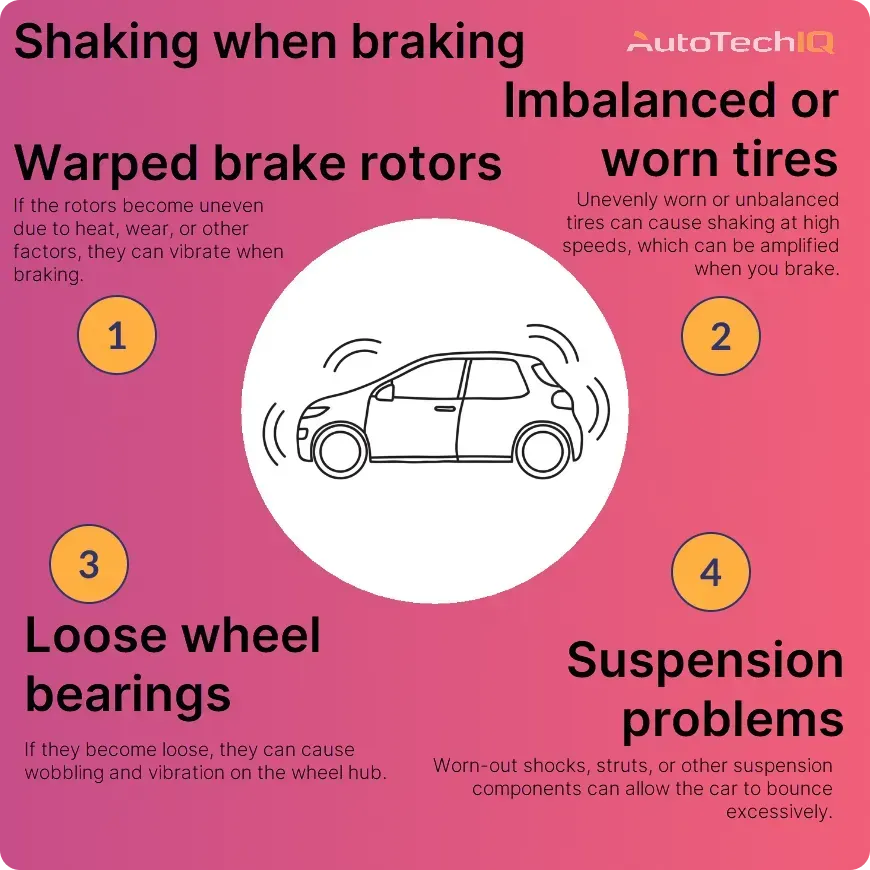
Image Source: www.autotechiq.com
Identifying the Signs of Bad Engine Oil
Before your car starts shaking, there are usually other warning signs that your oil is deteriorating. Recognizing these early signs can prevent more serious engine damage.
-
Dark, Gritty Oil: Fresh engine oil is typically light amber in color and has a smooth consistency. Bad oil is often dark brown or black and may feel gritty when you rub it between your fingers. This gritty feeling indicates the presence of contaminants and oil sludge.
-
Low Oil Level: Regularly check your oil level using the dipstick. A consistently low oil level, despite no visible leaks, could mean your engine is burning oil.
-
Oil Pressure Warning Light: If the oil pressure warning light illuminates on your dashboard, it indicates that the oil pump isn’t circulating enough oil to properly lubricate the engine. This could be due to low oil levels, a failing oil pump, or severely degraded oil with reduced oil viscosity.
-
Engine Knocking or Ticking: Insufficient lubrication can cause metal-on-metal contact within the engine, resulting in knocking or ticking noises, especially when the engine is cold.
-
Decreased Fuel Efficiency: Poor lubrication increases friction within the engine, making it work harder and consuming more fuel.
-
Overheating Engine: Oil helps dissipate heat. Bad oil is not efficient at cooling the engine.
How Bad Oil Leads to Car Vibrations
When engine oil degrades, it loses its ability to properly lubricate engine components. This can cause a cascade of issues that can eventually lead to noticeable car vibrations.
Lubrication Problems and Increased Friction
The primary function of engine oil is to reduce friction between moving parts. Bad oil with reduced oil viscosity fails to provide an adequate lubricating film, leading to increased friction. This friction creates heat, causes wear and tear, and contributes to car vibrations.
- Consequences of Poor Lubrication:
- Increased wear on bearings, pistons, and other critical engine components.
- Higher operating temperatures.
- Formation of oil sludge and deposits.
- Reduced engine performance.
Oil Sludge Buildup
Oil sludge is a thick, tar-like substance that forms when oil breaks down due to heat, oxidation, and contamination. This sludge can clog oil passages, restricting oil flow to critical engine parts.
- Impact of Oil Sludge:
- Reduced oil pressure.
- Increased engine temperature.
- Reduced lubrication of bearings and other moving parts.
- Possible engine misfire due to improper valve timing.
- Car vibrations resulting from uneven engine operation.
Engine Misfire Issues
Engine misfire occurs when one or more cylinders in the engine fail to ignite the air-fuel mixture properly. Bad oil can indirectly contribute to engine misfire by affecting valve train operation.
- How Bad Oil Causes Misfires:
- Valve Train Problems: Sludge buildup in the valve train can affect valve timing, leading to incomplete combustion and misfires.
- Reduced Oil Pressure: Low oil pressure can affect the hydraulic lifters that operate the valves, causing them to function improperly.
- Increased Engine Temperatures: Overheating caused by bad oil can also contribute to misfires.
- Rough idling and shaking at low speeds are common symptoms of engine misfire.
Crankshaft Issues and Imbalance
The crankshaft is a vital component that converts the linear motion of the pistons into rotational motion to power the wheels. Insufficient lubrication can cause excessive wear on the crankshaft bearings.
- Consequences of Crankshaft Wear:
- Crankshaft Imbalance: Worn bearings can cause the crankshaft to become misaligned, leading to vibrations.
- Engine Knocking: Increased clearance due to worn bearings can cause a distinct knocking sound.
- Severe Engine Damage: If left unaddressed, crankshaft problems can lead to catastrophic engine failure.
Other Potential Causes of Car Vibrations
While bad oil can contribute to car vibrations, it’s important to consider other potential causes as well. Here are some common culprits:
-
Worn Engine Mounts: Engine mounts are rubber and metal components that secure the engine to the car’s frame and absorb vibrations. If these mounts are worn or damaged, they can transmit engine vibrations to the chassis.
- Signs of Worn Engine Mounts:
- Excessive engine movement when accelerating or decelerating.
- Increased car vibrations, especially at idle.
- Clunking noises when shifting gears.
- Signs of Worn Engine Mounts:
-
Tire Problems: Uneven tire wear, unbalanced tires, or damaged tires can cause car vibrations.
- Troubleshooting Tire Issues:
- Inspect tires for uneven wear, bulges, or cuts.
- Have tires balanced and rotated regularly.
- Check tire pressure and maintain proper inflation.
- Troubleshooting Tire Issues:
-
Wheel Bearing Problems: Worn or damaged wheel bearings can create vibrations and noises, especially at higher speeds.
- Identifying Wheel Bearing Issues:
- Grinding or humming noise that increases with speed.
- Loose or wobbly wheel.
- Vibrations felt through the steering wheel.
- Identifying Wheel Bearing Issues:
-
Suspension Issues: Worn shocks, struts, or other suspension components can cause car vibrations and instability.
- Signs of Suspension Problems:
- Bouncing or swaying when driving over bumps.
- Uneven tire wear.
- Poor handling.
- Signs of Suspension Problems:
-
Driveline Problems: Issues with the driveshaft, axles, or other driveline components can cause vibrations, especially in rear-wheel-drive vehicles.
- Identifying Driveline Problems:
- Vibrations that increase with speed.
- Clunking or clicking noises from underneath the car.
- Worn or damaged universal joints.
- Identifying Driveline Problems:
Solutions: Addressing Car Vibrations Caused by Bad Oil
The solution to car vibrations caused by bad oil starts with addressing the oil itself and then evaluating potential secondary damage.
1. Oil Change and Filter Replacement
The first and most crucial step is to change your engine oil and replace the oil filter.
- Choosing the Right Oil: Consult your car’s owner’s manual for the recommended oil type and viscosity. Using the correct oil is essential for proper lubrication.
- Selecting a High-Quality Filter: A good oil filter will remove contaminants and prevent them from circulating through the engine.
- Proper Oil Change Procedure: Ensure the engine is warm (but not hot) before draining the old oil. Allow all the old oil to drain completely. Install the new oil filter and tighten it to the manufacturer’s specifications. Fill the engine with the correct amount of new oil, and check the oil level with the dipstick.
2. Engine Flush (If Necessary)
If your engine has significant oil sludge buildup, consider an engine flush. However, proceed with caution.
- Engine Flush Considerations:
- Potential Risks: Engine flushes can dislodge large pieces of sludge that could clog oil passages.
- Professional Service: It’s often best to have a professional mechanic perform an engine flush to minimize risks.
- Follow Instructions Carefully: If you choose to do it yourself, follow the instructions on the engine flush product carefully.
3. Inspect and Replace Worn Engine Mounts
If the car vibrations persist after changing the oil, inspect the engine mounts for wear or damage.
- Visual Inspection: Look for cracks, tears, or excessive sagging in the rubber components of the engine mounts.
- Testing the Mounts: With the engine running, have someone gently rev the engine while you observe the engine mounts. Excessive engine movement indicates worn mounts.
- Replacement: Replace worn engine mounts with new ones to restore proper engine support and reduce vibrations.
4. Address Engine Misfire Issues
If bad oil has contributed to engine misfire, address the underlying causes of the misfire.
- Check Spark Plugs: Inspect and replace worn or fouled spark plugs.
- Inspect Ignition Coils: Test ignition coils to ensure they are functioning properly.
- Check Fuel Injectors: Clean or replace clogged fuel injectors.
- Check for Vacuum Leaks: Repair any vacuum leaks that could be affecting engine performance.
- Valve Train Inspection: If sludge buildup is suspected, have a mechanic inspect the valve train for proper operation.
5. Professional Engine Inspection
If you’ve addressed the oil and other potential causes, but the car vibrations persist, it’s time for a professional engine inspection.
- Compression Test: A compression test can reveal cylinder problems that may be causing vibrations.
- Leak-Down Test: A leak-down test can help pinpoint the source of compression leaks.
- Internal Engine Inspection: In severe cases, a mechanic may need to disassemble the engine to inspect internal components for wear or damage.
Preventing Future Problems
Preventative maintenance is key to avoiding future issues related to bad oil.
- Regular Oil Changes: Follow the manufacturer’s recommended oil change intervals. Shorter intervals are better for optimal engine health.
- Use High-Quality Oil: Invest in high-quality synthetic or semi-synthetic oil that meets your car’s specifications.
- Check Oil Level Regularly: Check your oil level at least once a month and top off as needed.
- Address Leaks Promptly: Fix any oil leaks immediately to prevent oil loss and potential engine damage.
- Monitor Engine Performance: Pay attention to any changes in engine performance, such as decreased fuel efficiency or unusual noises, and address them promptly.
Grasping Oil Viscosity and its Significance
Oil viscosity is a measure of its resistance to flow. Think of it as how “thick” or “thin” the oil is. Oil viscosity is essential for proper lubrication because it determines how well the oil can maintain a lubricating film between moving parts at different temperatures.
- Low Viscosity: Thin oil that flows easily, good for cold starts, but may not provide enough protection at high temperatures.
- High Viscosity: Thick oil that resists flow, provides better protection at high temperatures, but may be too thick for cold starts.
- Multi-Viscosity Oils: These oils, such as 5W-30 or 10W-40, provide good protection at both low and high temperatures. The “W” stands for “winter” and indicates the oil’s viscosity at cold temperatures.
Using the wrong oil viscosity can lead to lubrication problems, increased wear, and poor engine performance. Always use the oil viscosity recommended in your car’s owner’s manual.
Fathoming the Combustion Process
The combustion process is where the magic happens that turns fuel into power. The air and fuel mix in a cylinder and ignite, pushing a piston down. It is important that this process happens completely and consistently in each cylinder to provide power and smooth engine operation.
- Air-Fuel Mixture: The correct ratio of air to fuel is critical for efficient combustion.
- Ignition: A spark plug ignites the air-fuel mixture, starting the combustion process.
- Compression: The piston compresses the air-fuel mixture to increase its temperature and pressure.
- Exhaust: After combustion, the exhaust gases are expelled from the cylinder.
Bad oil can affect the combustion process indirectly by causing valve train problems, reducing oil pressure, or increasing engine temperatures, all of which can lead to engine misfire and car vibrations.
Frequently Asked Questions (FAQ)
- What is oil sludge, and how does it form?
- Oil sludge is a thick, tar-like substance that forms when oil breaks down due to heat, oxidation, and contamination.
- Can I use an oil additive to improve bad oil?
- Oil additives may offer some temporary benefits, but they are not a substitute for regular oil changes. In some cases, they can do more harm than good.
- How often should I change my oil?
- Follow the manufacturer’s recommended oil change intervals, which are typically between 3,000 and 7,500 miles, or every 3 to 6 months.
- Can bad oil cause permanent engine damage?
- Yes, if left unaddressed, bad oil can cause significant wear and damage to engine components, potentially leading to catastrophic engine failure.
- What should I do if my car starts shaking suddenly?
- Pull over safely to the side of the road and inspect your car for any obvious problems, such as flat tires or loose wheel nuts. If you can’t identify the cause, have your car towed to a trusted mechanic for inspection.
- Can bad oil cause the check engine light to come on?
- Yes, if bad oil leads to engine misfire or other problems that affect engine performance, it can trigger the check engine light.
- What is the best type of oil to use in my car?
- Consult your car’s owner’s manual for the recommended oil type and viscosity. Synthetic or semi-synthetic oils are often a good choice for improved protection and performance.
By understanding the signs of bad oil, the potential causes of car vibrations, and the solutions to address them, you can keep your car running smoothly and prevent costly engine repairs. Regular maintenance and prompt attention to any engine problems are key to ensuring the longevity and performance of your vehicle.

Hi, I’m Luigi Smith, the voice behind carrepairmag.com. As a passionate car enthusiast with years of hands-on experience in repairing and maintaining vehicles, I created this platform to share my knowledge and expertise. My goal is to empower car owners with practical advice, tips, and step-by-step guides to keep their vehicles running smoothly. Whether you’re a seasoned mechanic or a beginner looking to learn, carrepairmag.com is your go-to source for all things car repair!