Yes, you can get a hernia from a car accident. The sudden trauma and force experienced during a collision can put significant strain on the body, potentially leading to a hernia. This article explores the relationship between car accidents and hernias, including the types of hernias that can occur, their symptoms, diagnosis, treatment, and legal implications.
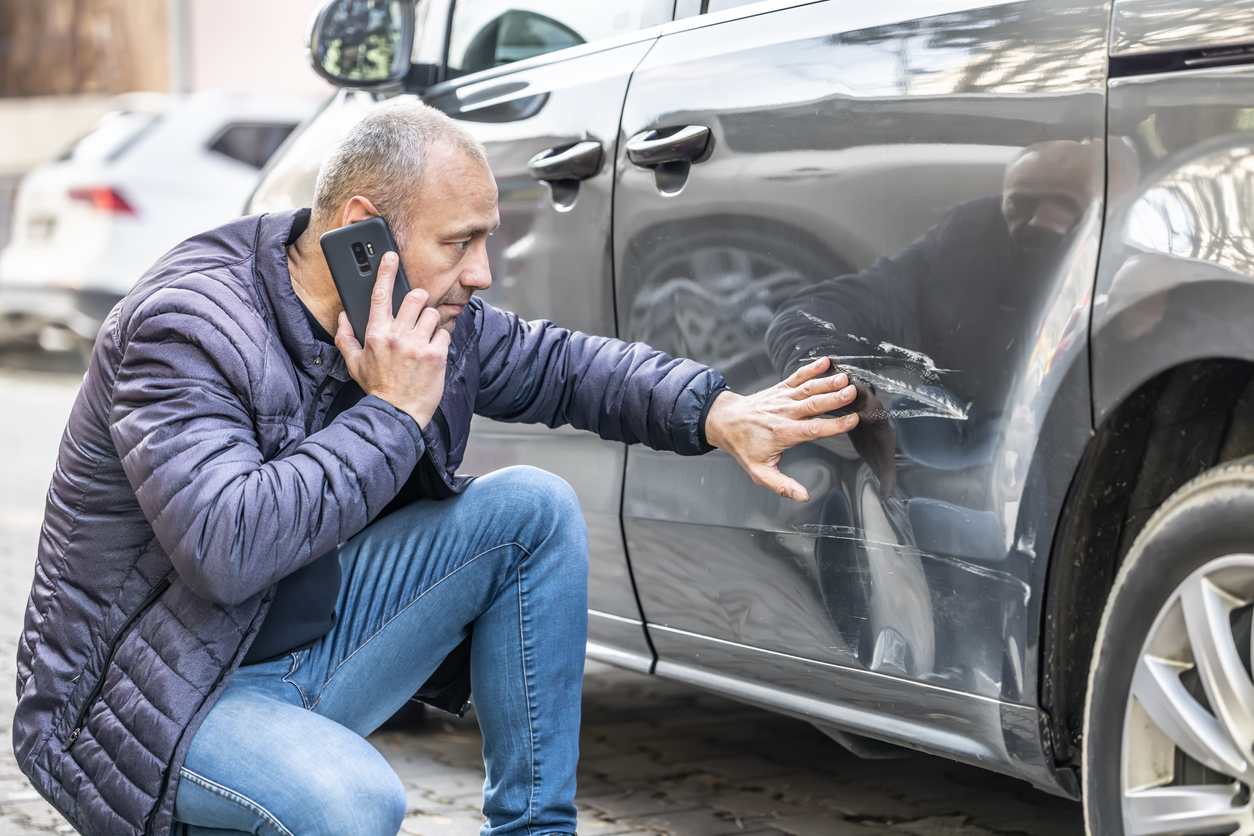
Image Source: www.stephenslaw.com
Car Accident Hernia Injury: The Link Explained
A hernia occurs when an organ or tissue pushes through a weak spot in a surrounding muscle or tissue. Car accidents can create the conditions that make this possible, especially in the abdominal area. The intense impact can cause a sudden increase in abdominal pressure, weakening the muscles and allowing internal organs to protrude.
How a Car Accident Can Cause a Hernia
Here’s how a car accident can lead to a hernia:
- Direct Impact: The force of a collision, whether from another vehicle or an object inside the car, can directly damage abdominal muscles.
- Sudden Acceleration/Deceleration: The rapid change in speed can strain muscles and tissues, especially if you brace yourself against the impact.
- Seatbelt Injury: While seatbelts save lives, they can also cause injuries. The pressure of a seatbelt across the abdomen can, in some cases, contribute to muscle weakness and increase the risk of a hernia.
- Internal Injuries: Other internal injuries from the accident can further weaken the abdominal wall, making it more susceptible to a hernia.
Types of Hernias Resulting From Auto Accidents
Several types of hernias can arise from the trauma of a car accident:
- Inguinal Hernia: This is the most common type of hernia, occurring in the groin area when tissue pushes through the inguinal canal. The strain from a car accident can weaken the abdominal muscles in this region.
- Umbilical Hernia: This type occurs near the belly button when tissue protrudes through a weak spot in the abdominal wall. Direct impact to the abdomen can increase the risk of an umbilical hernia.
- Hiatal Hernia: Though less directly linked to trauma, a hiatal hernia can be aggravated by the force of a car accident. It happens when part of the stomach pushes up through the diaphragm into the chest cavity.
- Incisional Hernia: If you have had previous abdominal surgery, the scar tissue can weaken the area. A car accident can put enough pressure on the area to cause an incisional hernia.
- Sports Hernia: While not technically a true hernia, a sports hernia involves groin pain caused by strains or tears in the soft tissues of the lower abdomen or groin. These can be exacerbated by car accidents.
Car Crash Hernia Symptoms: What to Watch For
Recognizing the symptoms of a hernia after an auto accident is vital for early diagnosis and treatment. Common symptoms include:
- A noticeable bulge: A lump in the abdomen or groin area that may disappear when lying down.
- Pain or discomfort: Aching or sharp pain in the affected area, especially when bending over, lifting, or coughing.
- Increased pain when straining: Pain that worsens with activities that put pressure on the abdomen.
- Heaviness or pressure: A feeling of heaviness or pressure in the groin or abdomen.
- Weakness: A sense of weakness or instability in the groin or abdominal area.
- Acid reflux or heartburn: If it’s a hiatal hernia, you might have these symptoms.
- Accident related abdominal pain: Pain in the abdomen following a car accident that doesn’t subside.
- Back pain and hernia after car accident: Lower back pain can accompany a hernia due to the interconnectedness of abdominal and back muscles.
It’s important to seek medical attention immediately if you experience these symptoms after a car accident.
Hernia After Auto Accident: The Diagnostic Process
Diagnosing a hernia usually involves a physical examination by a doctor. The doctor will check for a visible bulge and assess your symptoms. Additional tests may be needed to confirm the diagnosis and rule out other conditions:
- Physical Examination: The doctor will feel for a bulge and ask you to cough or strain to see if the hernia becomes more apparent.
- Ultrasound: This imaging test uses sound waves to create images of the abdominal organs and tissues.
- CT Scan: A CT scan provides detailed cross-sectional images of the abdomen, helping to identify the location and size of the hernia.
- MRI: An MRI uses magnetic fields and radio waves to create detailed images of soft tissues, which can be useful in diagnosing complex hernias.
- Endoscopy: For suspected hiatal hernias, an endoscopy might be used to examine the esophagus and stomach.
| Diagnostic Test | Purpose | How it Works |
|---|---|---|
| Physical Exam | Initial assessment to detect visible bulges and pain. | Doctor feels for bulges and asks you to strain. |
| Ultrasound | Imaging to visualize abdominal organs and tissues. | Uses sound waves to create images. |
| CT Scan | Detailed imaging to identify the location and size of hernia. | Provides cross-sectional X-ray images. |
| MRI | Imaging soft tissues to diagnose complex hernias. | Uses magnetic fields and radio waves to create images. |
| Endoscopy | Examines esophagus and stomach (for hiatal hernias). | Uses a thin, flexible tube with a camera. |
Treatment Options for a Trauma Induced Hernia
The treatment for a hernia depends on its size, location, and the severity of your symptoms. Options include:
- Watchful Waiting: Small hernias with minimal symptoms may not require immediate treatment. Your doctor may recommend monitoring the hernia and making lifestyle changes to manage symptoms.
- Hernia Repair Surgery: This is the most common treatment for hernias that cause significant pain or pose a risk of complications. There are two main types of hernia repair surgery:
- Open Surgery: This involves making an incision in the abdomen or groin to repair the hernia. The surgeon may use mesh to reinforce the weakened area.
- Laparoscopic Surgery: This minimally invasive procedure uses small incisions and a camera to guide the surgeon. Laparoscopic surgery often results in less pain and a faster recovery.
- Medications: Medications may be prescribed to manage symptoms such as pain or acid reflux (in the case of hiatal hernias).
Recovery After Hernia Repair
Recovery after hernia repair surgery varies depending on the type of surgery and individual factors. General guidelines include:
- Pain Management: Pain medication will be prescribed to manage post-operative pain.
- Activity Restrictions: You’ll need to avoid strenuous activities and heavy lifting for several weeks.
- Wound Care: Keep the incision site clean and dry to prevent infection.
- Physical Therapy: Physical therapy may be recommended to strengthen the abdominal muscles and improve mobility.
- Follow-up Appointments: Regular follow-up appointments with your surgeon are important to monitor your recovery.
Seatbelt Hernia Risk: A Necessary Evil?
Seatbelts save lives by preventing serious injuries during car accidents. However, the force of a seatbelt across the abdomen can sometimes contribute to a hernia. While this is a risk, it’s crucial to remember that the benefits of wearing a seatbelt far outweigh the potential for injury. Seatbelts distribute the force of impact, preventing ejection from the vehicle and reducing the risk of more severe internal injuries from car accident.
Legal Implications of Hernia From Car Accident
If you develop a hernia as a result of a car accident caused by someone else’s negligence, you may be entitled to compensation. This compensation can cover medical expenses, lost wages, pain and suffering, and other damages.
Proving the Connection
To successfully pursue a personal injury claim for a hernia caused by a car accident, you must prove the following:
- Negligence: The other driver was at fault for the accident due to negligence (e.g., speeding, distracted driving, drunk driving).
- Causation: The car accident directly caused your hernia. This requires medical evidence linking the trauma of the accident to the development of the hernia.
- Damages: You have suffered damages as a result of the hernia, such as medical bills, lost income, and pain and suffering.
Gathering Evidence
Key evidence to support your claim includes:
- Police Report: This document provides details about the accident, including the at-fault driver.
- Medical Records: These records document your hernia diagnosis, treatment, and prognosis.
- Expert Testimony: A medical expert can provide testimony linking the car accident to your hernia.
- Wage Loss Documentation: Pay stubs or other documentation to prove lost income due to the hernia.
It is crucial to consult with a personal injury attorney who can evaluate your case and help you navigate the legal process. An attorney can help you gather evidence, negotiate with insurance companies, and file a lawsuit if necessary.
Accident Related Abdominal Pain: When to Seek Help
Abdominal pain after a car accident should never be ignored. While some pain may be due to minor bruising or muscle strains, it can also indicate more serious internal injuries, including a hernia.
Seek immediate medical attention if you experience any of the following symptoms:
- Severe abdominal pain
- Persistent abdominal pain that doesn’t improve
- Nausea or vomiting
- Dizziness or lightheadedness
- Blood in your urine or stool
- A visible bulge in your abdomen or groin
Fathoming The Interplay of Back Pain and Hernia After Car Accident
Back pain is a common complaint after a car accident. While it can be caused by muscle strains, whiplash, or spinal injuries, it can also be related to a hernia. The abdominal and back muscles work together to support the spine. A hernia can weaken the abdominal muscles, putting additional strain on the back muscles and leading to pain. In some cases, a large hernia can also compress nerves in the spine, causing back pain and other neurological symptoms.
If you experience both back pain and abdominal pain after a car accident, it’s important to inform your doctor. They can perform a thorough examination to determine the cause of your symptoms and recommend appropriate treatment.
Internal Injuries From Car Accident: A Broader Perspective
A hernia is just one type of internal injury that can result from a car accident. Other potential internal injuries include:
- Organ Damage: The liver, spleen, kidneys, and other organs can be damaged by the force of impact.
- Internal Bleeding: This can be life-threatening and requires immediate medical attention.
- Fractures: Rib fractures and other bone fractures can cause significant pain and complications.
- Pneumothorax: This occurs when air leaks into the space between the lung and chest wall.
It is vital to undergo a thorough medical evaluation after a car accident to rule out any potentially serious internal injuries.
Minimizing the Risk of Hernia After An Accident
While it may not be possible to completely prevent a hernia after a car accident, there are steps you can take to minimize your risk:
- Wear Your Seatbelt: Always wear your seatbelt properly. It distributes the force of impact and reduces the risk of serious injury.
- Maintain Good Posture: Proper posture can help protect your abdominal muscles from strain.
- Strengthen Your Core: Regular exercise can strengthen your abdominal muscles and reduce the risk of a hernia.
- Seek Prompt Medical Attention: If you experience any symptoms of a hernia after a car accident, seek medical attention promptly. Early diagnosis and treatment can prevent complications.
FAQ: Hernias and Car Accidents
Q: Can a minor car accident cause a hernia?
A: While less likely, even a minor car accident can potentially cause a hernia, especially if there’s a direct impact to the abdomen or pre-existing weakness in the abdominal wall.
Q: How long after a car accident can a hernia develop?
A: A hernia can develop immediately after a car accident or gradually over several weeks or months.
Q: What is the average settlement for a hernia injury caused by a car accident?
A: The average settlement varies depending on the severity of the injury, medical expenses, lost wages, and other damages. It’s best to consult with a personal injury attorney for an estimate.
Q: Does insurance cover hernia repair surgery after a car accident?
A: If the accident was caused by another driver’s negligence, their insurance should cover your medical expenses, including hernia repair surgery. Your own insurance might provide coverage as well, depending on your policy.
Q: How can I prove my hernia was caused by the car accident?
A: You can prove the connection with medical records, expert testimony, and documentation of the accident.
Q: What happens if a hernia is left untreated?
A: If left untreated, a hernia can lead to complications such as incarceration (where the tissue gets trapped) or strangulation (where the blood supply to the tissue is cut off), requiring emergency surgery.
By being informed and proactive, you can protect your health and legal rights after a car accident.

Hi, I’m Luigi Smith, the voice behind carrepairmag.com. As a passionate car enthusiast with years of hands-on experience in repairing and maintaining vehicles, I created this platform to share my knowledge and expertise. My goal is to empower car owners with practical advice, tips, and step-by-step guides to keep their vehicles running smoothly. Whether you’re a seasoned mechanic or a beginner looking to learn, carrepairmag.com is your go-to source for all things car repair!