The simple answer is no. You should never put straight antifreeze (also called coolant) into your car’s cooling system. While it might seem like more antifreeze would offer better protection, using undiluted coolant use can actually cause serious damage to your engine. This article will explain why a 50/50 mix of antifreeze and water is essential for your car’s well-being, covering everything from the science behind antifreeze to the consequences of pure antifreeze.
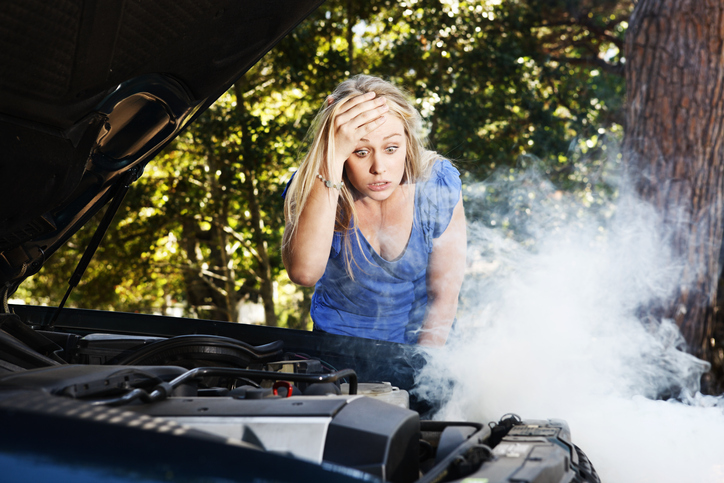
Image Source: rivergatemuffler.com
Why a 50/50 Mix is King: The Science of Coolant
Antifreeze isn’t just about preventing your engine from freezing in the winter. It plays several crucial roles, and each one is optimized by the right water-to-antifreeze ratio.
- Freezing Point Depression: Antifreeze lowers the freezing point of water. Pure water freezes at 32°F (0°C), but a 50/50 mix can prevent freezing down to around -34°F (-37°C).
- Boiling Point Elevation: Antifreeze also raises the boiling point of water. This prevents your engine from overheating during hot weather or strenuous driving. Pure water boils at 212°F (100°C), while a 50/50 mix can increase the boiling point to around 226°F (108°C) or higher, depending on the specific coolant formula.
- Corrosion Inhibition: Coolant contains additives that protect the metal components of your cooling system (like the radiator, water pump, and engine block) from corrosion.
- Lubrication: Antifreeze provides some lubrication for the water pump.
The Dangers of Straight Antifreeze Damage Engine
Putting 100% antifreeze effects on your car might seem logical if you’re worried about extreme cold, but it’s a recipe for disaster. Here’s why:
- Reduced Heat Transfer: Pure antifreeze doesn’t transfer heat as efficiently as a 50/50 mix. Water is actually a better conductor of heat than antifreeze. This means that using only antifreeze car will make your engine run hotter, increasing the risk of overheating and potential engine damage.
- Overheating: Because straight antifreeze has reduced heat transfer capabilities, it can easily lead to overheating, even in moderate temperatures.
- Sludge Formation: Antifreeze without water can cause the additives to break down faster, leading to sludge formation in your cooling system. This sludge can clog passages, further reducing cooling efficiency and potentially damaging the water pump and radiator.
- Water Pump Damage: The water pump relies on the coolant for lubrication. Pure antifreeze is often too viscous and doesn’t provide adequate lubrication, which can cause premature wear and failure of the water pump.
- Hose Deterioration: Pure antifreeze safe rating is low. Certain types of hoses can deteriorate more quickly when exposed to undiluted antifreeze. This can lead to leaks and further cooling system problems.
- Inefficient Freeze Protection: Surprisingly, is straight antifreeze better at preventing freezing? No. While it will lower the freezing point, the maximum freeze protection is achieved with a 50/50 or 60/40 mix (antifreeze to water), depending on the coolant type and climate. Pure antifreeze doesn’t offer significantly better freeze protection and comes with all the aforementioned downsides.
Straight Coolant vs Diluted: A Head-to-Head Comparison
The table below summarizes the key differences between using straight antifreeze and a 50/50 mixture:
| Feature | Straight Antifreeze (Undiluted) | 50/50 Antifreeze/Water Mix |
|---|---|---|
| Heat Transfer | Poor | Good |
| Freeze Protection | Less effective than expected | Optimal |
| Boil Protection | Lower than expected | Optimal |
| Corrosion Protection | May be compromised | Optimal |
| Water Pump Lubrication | Inadequate | Adequate |
| Sludge Formation | Increased | Reduced |
| Overheating Risk | High | Low |
| Hose Deterioration | Potentially increased | Normal |
| Overall Performance | Poor | Excellent |
| Potential for straight antifreeze damage engine | Very High | Very Low |
How to Correctly Mix Antifreeze
Mixing antifreeze properly is crucial for the health of your engine. Here’s a step-by-step guide:
- Consult Your Owner’s Manual: Always refer to your car’s owner’s manual for the manufacturer’s recommended coolant type and mixing ratio. While 50/50 is the most common, some vehicles may require a different ratio.
- Use Distilled Water: Tap water contains minerals that can corrode your cooling system. Always use distilled water when mixing antifreeze.
- Mix in a Clean Container: Use a clean container to mix the antifreeze and water. This prevents contamination.
- Measure Accurately: Use a measuring cup or container to ensure you have the correct ratio of antifreeze to water.
- Mix Thoroughly: Stir the mixture well to ensure it’s fully blended.
- Check the Coolant Level: After adding the coolant to your car, check the coolant level in the reservoir and top it off as needed.
Can I add straight antifreeze if my coolant level is low? While it’s better to add a small amount of straight antifreeze than to drive with a critically low coolant level, it’s still not ideal. It’s always best to have a pre-mixed 50/50 solution on hand for topping off. If you add straight antifreeze, make sure to have the system flushed and refilled with the correct mixture as soon as possible.
Identifying the Right Type of Antifreeze
There are several different types of antifreeze available, each with its own specific formulation and color. It’s essential to use the correct type for your vehicle. Mixing different types of antifreeze can lead to chemical reactions that can damage your cooling system. Here are some common types:
- IAT (Inorganic Additive Technology): Typically green and used in older vehicles.
- OAT (Organic Acid Technology): Usually orange or red and used in many newer vehicles.
- HOAT (Hybrid Organic Acid Technology): Often yellow or blue and used in a variety of vehicles.
- P-OAT (Phosphated Organic Acid Technology): Commonly blue or green and used in some Asian vehicles.
Always check your owner’s manual to determine the correct type of antifreeze for your car. If you’re unsure, consult a qualified mechanic.
What to Do If You Accidentally Added Straight Antifreeze
If you accidentally added straight antifreeze to your cooling system, don’t panic. Here’s what you should do:
- Do Not Drive the Car: Driving the car with straight antifreeze can cause significant damage to the engine.
- Flush the Cooling System: The best course of action is to have the cooling system professionally flushed and refilled with the correct 50/50 mixture. This will remove the excess antifreeze and ensure proper cooling system function.
- Check for Leaks: After the flush, inspect the cooling system for any leaks or damage that may have been caused by the straight antifreeze.
- Monitor Engine Temperature: Keep a close eye on the engine temperature gauge after the flush to ensure the engine is running at its normal operating temperature.
Preventing Cooling System Problems
Regular maintenance is key to preventing cooling system problems and ensuring your engine stays cool. Here are some tips:
- Check Coolant Level Regularly: Check the coolant level in the reservoir regularly and top it off as needed with the correct 50/50 mixture.
- Inspect Hoses and Clamps: Inspect the hoses and clamps for cracks, leaks, or damage. Replace any worn or damaged components.
- Pressure Test the Cooling System: Have the cooling system pressure tested periodically to check for leaks.
- Flush and Refill the Coolant: Follow the manufacturer’s recommended schedule for flushing and refilling the coolant. This will remove accumulated contaminants and maintain the effectiveness of the antifreeze.
- Check the Radiator Cap: The radiator cap is an important part of the cooling system. Make sure it’s in good condition and sealing properly.
- Monitor Engine Temperature: Pay attention to the engine temperature gauge and address any signs of overheating promptly.
Fathoming the Importance of Dilution
The dilution of antifreeze with water isn’t arbitrary; it’s a carefully calculated balance designed to maximize the benefits of both components. Water’s superior heat transfer capabilities are crucial for efficient cooling, while antifreeze provides the necessary freeze and corrosion protection. Comprehending this interplay is vital for maintaining your vehicle’s engine health.
Antifreeze without water: Long-Term Effects
While the immediate effects of 100% antifreeze effects include overheating and reduced cooling efficiency, the long-term effects can be even more damaging. These can include:
- Premature Water Pump Failure: Lack of proper lubrication leads to increased wear and tear.
- Radiator Clogging: Sludge buildup restricts coolant flow.
- Engine Block Corrosion: Even with corrosion inhibitors, the diluted mixture offers better overall protection.
- Reduced Engine Lifespan: Chronic overheating and poor cooling accelerate engine wear and tear.
FAQ About Antifreeze
-
Q: Can I use tap water instead of distilled water when mixing antifreeze?
- A: No. Tap water contains minerals that can corrode your cooling system. Always use distilled water.
-
Q: How often should I flush and refill my coolant?
- A: Consult your owner’s manual for the manufacturer’s recommended schedule. Generally, it’s recommended every 30,000 to 60,000 miles.
-
Q: What does the color of antifreeze indicate?
- A: The color indicates the type of antifreeze and its formulation. It’s essential to use the correct type for your vehicle.
-
Q: Can I mix different types of antifreeze?
- A: No. Mixing different types of antifreeze can lead to chemical reactions that can damage your cooling system.
-
Q: What should I do if my engine is overheating?
- A: Stop driving immediately and let the engine cool down. Check the coolant level and look for any leaks. If the problem persists, have your car towed to a mechanic.
-
Q: Is all antifreeze the same?
- A: No. Antifreeze formulations vary significantly. Using the correct type is vital.
-
Q: How can I dispose of used antifreeze safely?
- A: Antifreeze is toxic and should be disposed of properly. Take it to a recycling center or hazardous waste disposal facility.
Final Thoughts
The idea of a “free-for-all” with antifreeze is a dangerous misconception. Instead, the true path to engine longevity lies in a precise 50/50 blend of antifreeze and water for your car’s cooling system. This meticulous balance is your shield against the ravages of overheating, corrosion, and a host of other engine ailments. Heed the guidance within these pages, and you’ll pave the way for a consistently cool, smoothly running engine that defies the years. Understanding the intricate dance of coolant formulations and their profound effects is a cornerstone of truly conscientious car care.

Hi, I’m Luigi Smith, the voice behind carrepairmag.com. As a passionate car enthusiast with years of hands-on experience in repairing and maintaining vehicles, I created this platform to share my knowledge and expertise. My goal is to empower car owners with practical advice, tips, and step-by-step guides to keep their vehicles running smoothly. Whether you’re a seasoned mechanic or a beginner looking to learn, carrepairmag.com is your go-to source for all things car repair!