Why is my car wobbling when I accelerate? Your car shaking while accelerating usually means something is wrong with the tires, wheels, suspension, or engine. Identifying the source of the vibration is key to fixing it. This article explores the many reasons why your car might be shaking when you speed up and offers potential solutions.
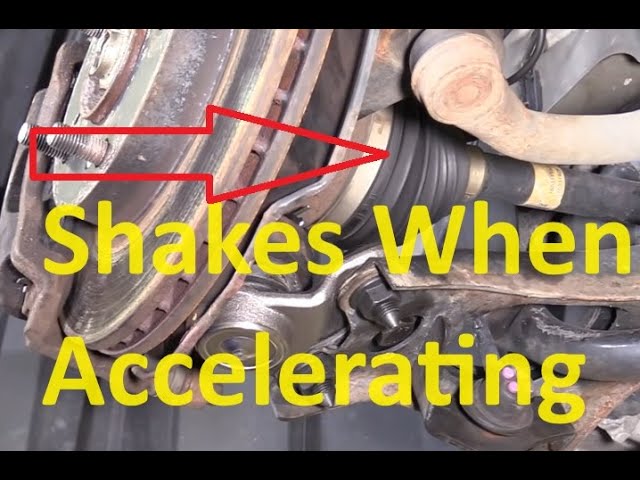
Image Source: i.ytimg.com
Common Causes of Car Shaking While Accelerating
A car shaking while accelerating can be a sign of various issues. The severity of the shaking and the speed at which it occurs can help pinpoint the cause. Let’s look at some of the common reasons why your car might be vibrating when accelerating.
1. Tire Problems
Tires are a frequent culprit behind car shaking issues, particularly those that worsen with speed.
- Unbalanced Tires: One of the most common causes of car shaking is imbalanced tires. If the weight isn’t evenly distributed around the tire, it can cause a vibration, especially at higher speeds. This vibration often feels most intensely in the steering wheel.
- Uneven Tire Wear: Irregular wear patterns on your tires, such as cupping or feathering, can create vibrations. These patterns can arise from alignment issues, suspension problems, or even improper inflation.
- Tire Damage: A bulge, bubble, or flat spot on a tire can cause significant shaking. These damages disrupt the tire’s round shape, leading to vibrations as the wheel rotates.
- Out-of-Round Tires: Sometimes, tires aren’t perfectly round from the factory. These imperfections can cause shaking that becomes more noticeable as you accelerate.
Solutions:
- Tire Balancing: Have your tires balanced by a professional. They’ll use specialized equipment to ensure the weight is evenly distributed around the tire.
- Tire Rotation: Regularly rotate your tires to promote even wear. This can help prevent uneven wear patterns from developing.
- Tire Replacement: If your tires are damaged or worn beyond a safe point, replace them.
- Wheel Alignment: Get your wheels aligned to ensure they’re properly oriented. This will help prevent uneven tire wear and improve handling.
2. Wheel Issues
Problems with your wheels themselves can also cause shaking, especially car vibrates at higher speeds.
- Bent Wheel: A bent wheel can cause noticeable vibration, especially as speed increases. Hitting a pothole or curb can easily damage a wheel.
- Loose Lug Nuts: Loose lug nuts can cause the wheel to wobble, leading to shaking. This is a serious safety concern and should be addressed immediately.
Solutions:
- Wheel Repair or Replacement: If a wheel is bent, it may be possible to repair it. Otherwise, replace the damaged wheel.
- Tighten Lug Nuts: Use a torque wrench to ensure your lug nuts are tightened to the manufacturer’s specified torque.
3. Suspension Problems
The suspension system is responsible for keeping your car stable and absorbing bumps. When parts of the suspension fail, car shaking can occur.
- Worn Shocks or Struts: Shocks and struts dampen the movement of your suspension. If they’re worn, they won’t effectively absorb bumps, leading to a bouncy ride and potential shaking.
- Bad Ball Joints: Ball joints connect the suspension to the wheel hub. When they wear out, they can cause looseness in the suspension, leading to shaking, especially when accelerating.
- Worn Bushings: Bushings are rubber or polyurethane cushions that reduce vibration and noise in the suspension. Worn bushings can cause excessive movement and shaking.
- Damaged Control Arms: Control arms connect the wheel hub to the car’s frame. If they’re bent or damaged, they can cause alignment issues and shaking.
Solutions:
- Shock/Strut Replacement: Replace worn shocks and struts to restore proper damping.
- Ball Joint Replacement: Replace worn ball joints to eliminate looseness in the suspension.
- Bushing Replacement: Replace worn bushings to reduce vibration and noise.
- Control Arm Replacement: Replace damaged control arms to correct alignment and improve stability.
4. Drivetrain Issues
The drivetrain transfers power from the engine to the wheels. Problems in the drivetrain can lead to vibrations that are particularly noticeable when accelerating.
- Worn CV Joints: CV (constant velocity) joints allow the drive axles to flex as the suspension moves. When CV joints wear out, they can cause a clicking noise and shaking, especially when turning or accelerating. This often contributes to steering wheel shaking when accelerating.
- Faulty U-Joints: U-joints are used in rear-wheel-drive vehicles to connect the driveshaft to the transmission and rear axle. Worn U-joints can cause vibrations that are felt throughout the car.
- Damaged Driveshaft: A bent or damaged driveshaft can cause significant vibrations, especially at higher speeds.
Solutions:
- CV Joint Replacement: Replace worn CV joints to eliminate noise and vibration.
- U-Joint Replacement: Replace worn U-joints to reduce vibrations.
- Driveshaft Repair or Replacement: Repair or replace a damaged driveshaft to restore smooth operation.
5. Engine Problems
Sometimes, the engine itself can be the source of shaking.
- Misfiring Engine: A misfiring engine occurs when one or more cylinders aren’t firing properly. This can cause a noticeable shaking, especially when accelerating.
- Worn Engine Mounts: Engine mounts secure the engine to the car’s frame. When they wear out, they can allow the engine to vibrate excessively, leading to shaking felt throughout the car.
Solutions:
- Engine Tune-Up: Perform an engine tune-up, including replacing spark plugs and checking ignition coils, to resolve misfires.
- Engine Mount Replacement: Replace worn engine mounts to reduce engine vibration.
6. Brake Problems
Although less common, brake issues can sometimes manifest as car shaking while accelerating. This is more likely if the brakes are dragging.
- Dragging Brakes: If a brake caliper is sticking, it can cause the brake pads to drag against the rotor. This can create heat and vibration that you feel when accelerating.
Solutions:
- Brake Service: Service the brakes, including cleaning and lubricating the calipers, to prevent dragging. Replace any worn or damaged brake components.
Diagnosing the Source of Car Shaking
Determining the source of the shaking is crucial for effective repair. Consider these diagnostic steps:
- Note When the Shaking Occurs: Is it constant, only at certain speeds, or just car shaking only when accelerating uphill?
- Identify Where You Feel the Vibration: Is it in the steering wheel, seat, or throughout the entire car?
- Inspect Your Tires: Look for uneven wear, bulges, or other damage.
- Check Your Wheels: Look for bends or damage. Ensure the lug nuts are properly tightened.
- Observe How the Car Handles: Does it pull to one side, or does the steering feel loose?
Table: Common Symptoms and Possible Causes
| Symptom | Possible Causes |
|---|---|
| Steering wheel shaking when accelerating | Unbalanced tires, bent wheels, worn tie rod ends, worn ball joints |
| Car shaking only when accelerating uphill | Engine misfire, fuel delivery problem, worn engine mounts |
| Car shaking after a certain speed | Unbalanced tires, bent wheels, worn suspension components, damaged driveshaft |
| Vibration felt in the seat | Damaged driveshaft, worn U-joints, worn suspension components |
| Car shaking while braking | Warped brake rotors, worn brake pads, sticking brake calipers |
Advanced Diagnostic Techniques
If the basic checks don’t reveal the source of the shaking, you may need to employ more advanced diagnostic techniques.
1. Road Force Balancing
Road force balancing is a more precise method of balancing tires than traditional balancing. It simulates the load of the vehicle on the tire and wheel assembly, identifying vibrations that might not be detected otherwise.
2. Suspension Inspection
A thorough suspension inspection by a qualified mechanic can identify worn or damaged components. This may involve using specialized tools to check for play in ball joints, tie rod ends, and other suspension parts.
3. Driveline Inspection
Inspecting the driveshaft, U-joints, and CV joints can reveal problems that cause vibrations. This may involve visually inspecting the components for damage and checking for excessive play.
4. Engine Diagnostic Scan
Using an OBD-II scanner, a mechanic can check for engine misfires and other engine-related issues that could be causing vibrations.
Safety Considerations
Addressing car shaking is crucial not only for comfort but also for safety. Driving with a shaking car can be dangerous, especially at high speeds. Loose suspension components or damaged tires can compromise your control of the vehicle. Always prioritize safety and seek professional help when needed.
Can I drive with car shaking while accelerating?
It’s generally not recommended to drive with a car shaking while accelerating, especially if the shaking is severe or accompanied by other symptoms. Continuing to drive could worsen the problem and potentially lead to an accident. It’s best to have the car inspected and repaired as soon as possible.
What is the cost to fix a car that shakes when accelerating?
The cost to fix car shaking when accelerating can vary widely depending on the cause. Tire balancing might cost $50-$100. Replacing suspension components could range from $200 to $1000 or more. Engine repairs can be even more expensive. Getting an accurate estimate from a qualified mechanic is essential.
Preventative Maintenance
Preventative maintenance can help prevent car shaking and other issues.
- Regular Tire Maintenance: Keep your tires properly inflated, rotated, and balanced.
- Wheel Alignment: Get your wheels aligned regularly, especially after hitting potholes or curbs.
- Suspension Inspection: Have your suspension inspected periodically for worn or damaged components.
- Driveline Service: Service your driveline components, such as U-joints and CV joints, as recommended by the manufacturer.
- Engine Tune-Ups: Perform regular engine tune-ups to keep your engine running smoothly.
By addressing car shaking promptly and performing preventative maintenance, you can ensure a safe and comfortable driving experience.
Frequently Asked Questions (FAQ)
Q: What is the most common reason for a car to shake when accelerating?
A: The most common reason is unbalanced tires.
Q: Can I fix car shaking myself, or do I need a mechanic?
A: Simple issues like tightening lug nuts or checking tire pressure can be done yourself. However, more complex problems like suspension or engine issues require a qualified mechanic.
Q: Who is qualified to diagnose car shaking issues?
A: A qualified mechanic with experience in diagnosing and repairing suspension, drivetrain, and engine problems.
Q: What causes vibration in car at high speeds if it’s not the tires?
A: Besides tires, it could be bent wheels, worn suspension components, a damaged driveshaft, or issues within the engine.
Q: How often should I get my tires balanced?
A: It is generally recommended to get your tires balanced every 6,000 to 12,000 miles, or whenever you notice vibrations.
Q: What if the car shaking only happens when accelerating uphill?
A: This often indicates an engine problem, such as a misfire or fuel delivery issue, that becomes more apparent under the increased load of accelerating uphill.

Hi, I’m Luigi Smith, the voice behind carrepairmag.com. As a passionate car enthusiast with years of hands-on experience in repairing and maintaining vehicles, I created this platform to share my knowledge and expertise. My goal is to empower car owners with practical advice, tips, and step-by-step guides to keep their vehicles running smoothly. Whether you’re a seasoned mechanic or a beginner looking to learn, carrepairmag.com is your go-to source for all things car repair!