What do you need when you trade in a car? You’ll generally need the car title, registration, your driver’s license (for identification), loan payoff information (if applicable), and all sets of keys. Gathering these items, along with maintenance records, will streamline the vehicle trade-in process and potentially boost your car’s value. This article explores what you need to know to prepare.
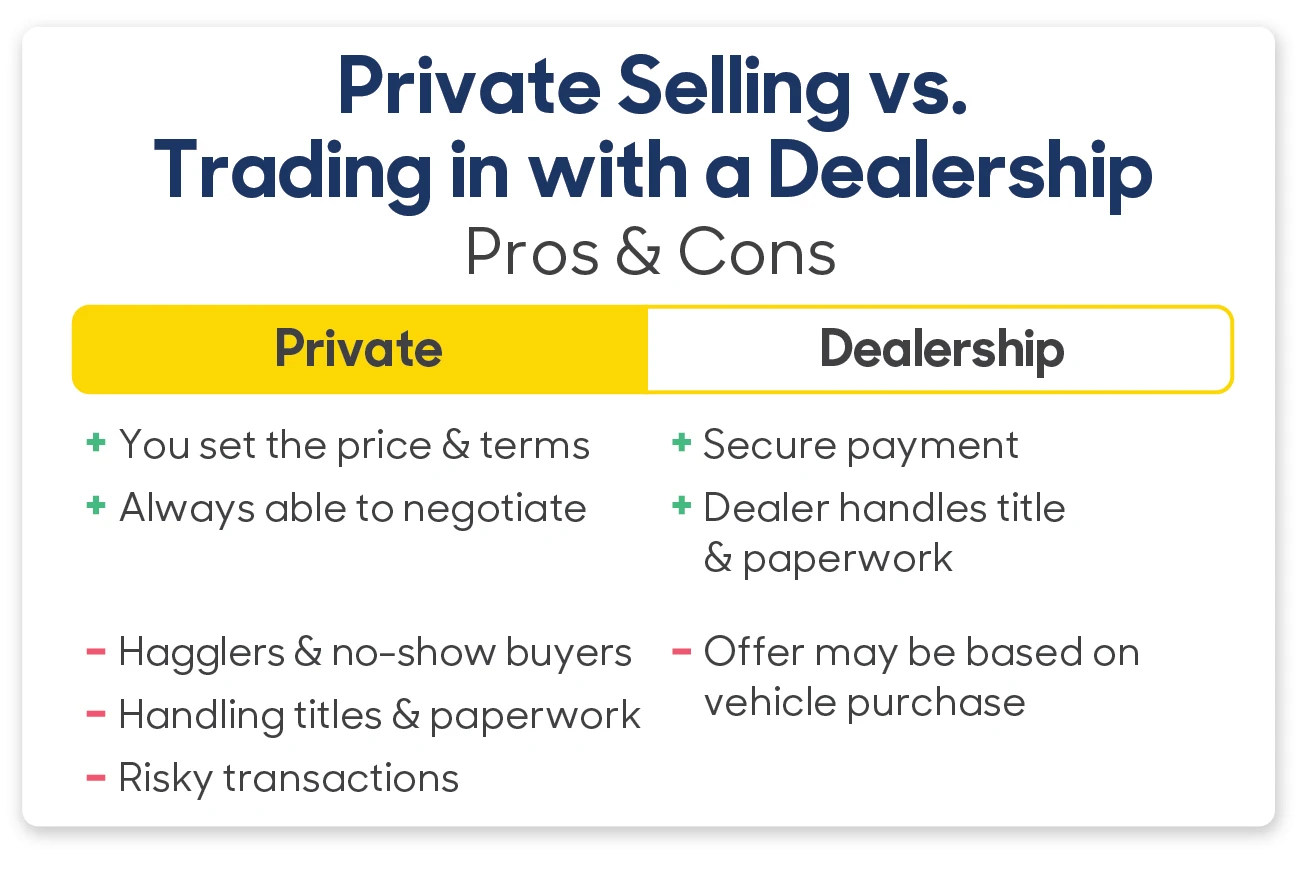
Image Source: content-images.carmax.com
Preparing For Your Trade-In: The Essentials
Trading in a car can feel daunting. With some planning, you can navigate the vehicle trade-in process with confidence. Knowing the trade-in requirements and having a car trade-in checklist will save time and possibly money.
1. Car Title: Proof of Ownership
The car title is the most important trade-in document. It shows you legally own the car.
- What is it? A legal document issued by your state’s Department of Motor Vehicles (DMV). It includes information like the car’s Vehicle Identification Number (VIN), make, model, and your name as the owner.
- Why is it important? The dealer needs the title to legally transfer ownership of the car.
- What if I lost it? Contact your local DMV immediately. You’ll likely need to complete an application for a duplicate title, pay a fee, and provide proof of identification. This process can take time, so address it well before you plan to trade in your car.
2. Vehicle Registration: Current and Valid
Your vehicle registration shows the car is currently registered in your name.
- What is it? A card or document issued by your state. It confirms that your car is legally registered and can be driven on public roads.
- Why is it important? It confirms that the car is active in your name.
- What if it’s expired? Renew it before trading in your car. An expired registration can delay the trade-in process.
3. Identification for Trade-In: Confirming Who You Are
Dealers need proof of your identity.
- What is needed? A valid government-issued photo ID, such as your driver’s license.
- Why is it important? To confirm your identity and match it with the name on the title and registration.
4. Loan Payoff Information: If You Still Owe Money
If you have an outstanding loan on your car, you’ll need to provide loan payoff information.
- What is it? A statement from your lender showing the exact amount needed to pay off the loan. This includes the principal balance, interest, and any applicable fees.
- Why is it important? The dealer needs this information to arrange payment to your lender.
- How do I get it? Contact your lender directly. Many lenders offer online access to payoff statements or can provide one over the phone.
How the Trade-In Works with a Loan
- Dealer Assesses Value: The dealer evaluates your car’s value and makes a trade-in offer.
- Payoff Calculation: The dealer contacts your lender to confirm the exact payoff amount.
- Equity or Negative Equity: If your car’s trade-in value is higher than your loan payoff, you have equity. The dealer will apply this equity toward the purchase of your new car. If your car’s trade-in value is lower than your loan payoff, you have negative equity (you owe more than the car is worth). You’ll need to cover the difference, either with cash or by rolling it into the new car loan (not recommended, as it increases the total amount you owe).
5. Spare Keys: Completeness Matters
Providing all sets of keys can increase your car’s trade-in value.
- Why are spare keys important? Dealers need all the keys to easily sell the vehicle. Missing keys can require re-keying or key replacement, costing the dealer money and potentially lowering your trade-in offer.
- What if I lost a key? If you lost a key, get a replacement before trading in your car.
6. Maintenance Records: Show Your Car Was Cared For
While not always mandatory, maintenance records can significantly boost your car’s perceived value.
- What are they? Documents showing the car’s service history, including oil changes, tire rotations, brake replacements, and other maintenance tasks.
- Why are they important? They demonstrate that you took care of the car.
- Where can I find them? Check your glove compartment, file cabinets, or online accounts with service providers.
7. Other Helpful Documents
Besides the essential trade-in documents, these may be useful:
- Warranty Information: If your car is still under warranty, providing the warranty documents can be a selling point.
- Service Contracts: Similar to warranties, service contracts add value by covering future repairs.
- Window Sticker (Monroney Label): This sticker shows the original manufacturer’s suggested retail price (MSRP) and options.
Enhancing Your Car’s Trade-In Value: Preparation is Key
Beyond gathering the necessary documents, preparing your car physically can impact its value.
1. Cleanliness Matters: Inside and Out
A clean car looks well-maintained.
- Exterior: Wash and wax the car. Clean the wheels and tires.
- Interior: Vacuum the carpets, clean the dashboard and consoles, and remove any personal belongings.
2. Minor Repairs: Fix What You Can
Addressing small issues can prevent larger deductions from your trade-in offer.
- Touch-Up Paint: Repair minor scratches and paint chips.
- Bulb Replacement: Replace any burned-out light bulbs.
- Wiper Blades: Replace worn wiper blades.
3. Addressing More Significant Issues
Significant mechanical or cosmetic problems will lower your trade-in value. Decide whether fixing them yourself makes sense.
- Mechanical Issues: Consider getting major repairs done if the cost is less than the expected increase in trade-in value. Get quotes from several mechanics.
- Cosmetic Damage: Dents, scratches, and damaged upholstery can reduce your car’s value. Weigh the cost of repairs against the potential increase in trade-in value.
Navigating the Vehicle Trade-In Process
The vehicle trade-in process usually involves these steps:
- Research: Get an estimate of your car’s value using online valuation tools like Kelley Blue Book (KBB) or Edmunds.
- Inspection: The dealer will inspect your car’s condition, mileage, and features.
- Negotiation: Discuss the trade-in value with the dealer. Be prepared to negotiate.
- Paperwork: Complete the necessary trade-in documents, including transferring the title.
- Finalization: The trade-in value is applied toward the purchase of your new car.
Tips for a Successful Trade-In
- Get Multiple Offers: Don’t settle for the first offer you receive. Get quotes from several dealerships.
- Negotiate Separately: Negotiate the price of the new car separately from the trade-in value.
- Know Your Car’s Value: Research your car’s market value before heading to the dealership.
- Be Prepared to Walk Away: If you’re not happy with the offer, be willing to walk away.
Deciphering Common Trade-In Myths
There are several misconceptions about car trade-ins.
-
Myth 1: Dealers Always Lowball Trade-In Offers.
- Reality: While some dealers may offer lower values, research and negotiation can help you get a fair price.
-
Myth 2: It’s Always Better to Sell Your Car Privately.
-
Reality: Selling privately can yield a higher price, but it requires more time, effort, and potential risks. Trading in offers convenience and reduces the hassle.
-
Myth 3: The Dealer Will Fix Everything Wrong with the Car.
-
Reality: Dealers will often adjust their offer based on the condition of the car. Fixing major issues beforehand can result in a better offer.
Evaluating Alternatives to Trading In
Trading in isn’t the only option.
- Private Sale: Selling your car directly to another individual. This usually yields a higher price but requires more effort.
- Online Car Buying Services: Companies like Carvana or Vroom offer online appraisals and purchase cars directly.
- Donation: Donating your car to a charity can provide a tax deduction.
Table: Comparing Trade-In, Private Sale, and Online Car Buying Services
| Feature | Trade-In | Private Sale | Online Car Buying |
|---|---|---|---|
| Price | Lower | Higher | Mid-Range |
| Convenience | High | Low | Medium |
| Effort | Low | High | Medium |
| Risk | Low | Medium | Low |
| Negotiation | Yes | Yes | Limited |
| Paperwork | Dealer Handles | You Handle | Company Handles |
| Time | Fast | Slow | Medium |
Fathoming Trade-In Tax Implications
Depending on your state, trading in a car can provide tax benefits.
- Sales Tax Savings: In some states, you only pay sales tax on the difference between the new car’s price and the trade-in value. For example, if you buy a $30,000 car and trade in your old car for $10,000, you only pay sales tax on $20,000. Check your state’s tax laws to see if this applies.
Keeping Ahead of Title Issues
A clear car title is crucial for a smooth trade-in.
- Lien on the Title: If you have a loan on your car, the lender has a lien on the title. The dealer needs to satisfy this lien to transfer ownership.
- Title Errors: Check your title for any errors, such as incorrect spelling or inaccurate information. Contact your DMV to correct any errors before trading in your car.
- Salvage Title: A salvage title indicates that the car was declared a total loss by an insurance company. Cars with salvage titles have significantly lower trade-in values.
- Rebuilt Title: A rebuilt title is issued after a salvage car has been repaired and inspected. While rebuilt cars can be driven legally, they still have lower values than cars with clean titles.
Grasping the Impact of Vehicle History Reports
A vehicle history report can affect your car’s trade-in value.
- What is it? A report that provides information about a car’s history, including accidents, title issues, odometer readings, and service records. Companies like Carfax and AutoCheck provide these reports.
- Why is it important? Dealers use these reports to assess a car’s condition and history. A clean report can increase your car’s value, while a report with accidents or other issues can lower it.
FAQ: Common Trade-In Questions
- Can I trade in a car if I still owe money on it? Yes, you can. The dealer will work with your lender to pay off the loan.
- Can I trade in a car without a title? In most cases, no. The title is essential for transferring ownership. Contact your DMV to obtain a duplicate title if you’ve lost yours.
- What if my car is worth less than what I owe? This is called negative equity. You’ll need to cover the difference between the trade-in value and the loan payoff, either with cash or by rolling it into your new car loan.
- Will the dealer accept my trade-in if it has mechanical problems? Yes, but the trade-in value will be significantly lower.
- How do I negotiate the trade-in value? Research your car’s value, get multiple offers, and be prepared to walk away if you’re not happy with the offer.
Arm yourself with essential paperwork, give your vehicle a thorough sprucing up, and get a clear picture of its worth – these steps are your ticket to a stellar trade-in. Understanding exactly what’s expected will pave the way for a hassle-free transaction.

Hi, I’m Luigi Smith, the voice behind carrepairmag.com. As a passionate car enthusiast with years of hands-on experience in repairing and maintaining vehicles, I created this platform to share my knowledge and expertise. My goal is to empower car owners with practical advice, tips, and step-by-step guides to keep their vehicles running smoothly. Whether you’re a seasoned mechanic or a beginner looking to learn, carrepairmag.com is your go-to source for all things car repair!