Yes, your car can be totaled from hail damage. Whether or not a vehicle is declared a total loss due to hail depends on several factors, including the extent of the damage, the car’s current market value, and your insurance company’s policies. This article will explore the conditions that lead to a hail damage car totaled outcome, helping you navigate the hail damage insurance claim process and car declared total loss hail situations.
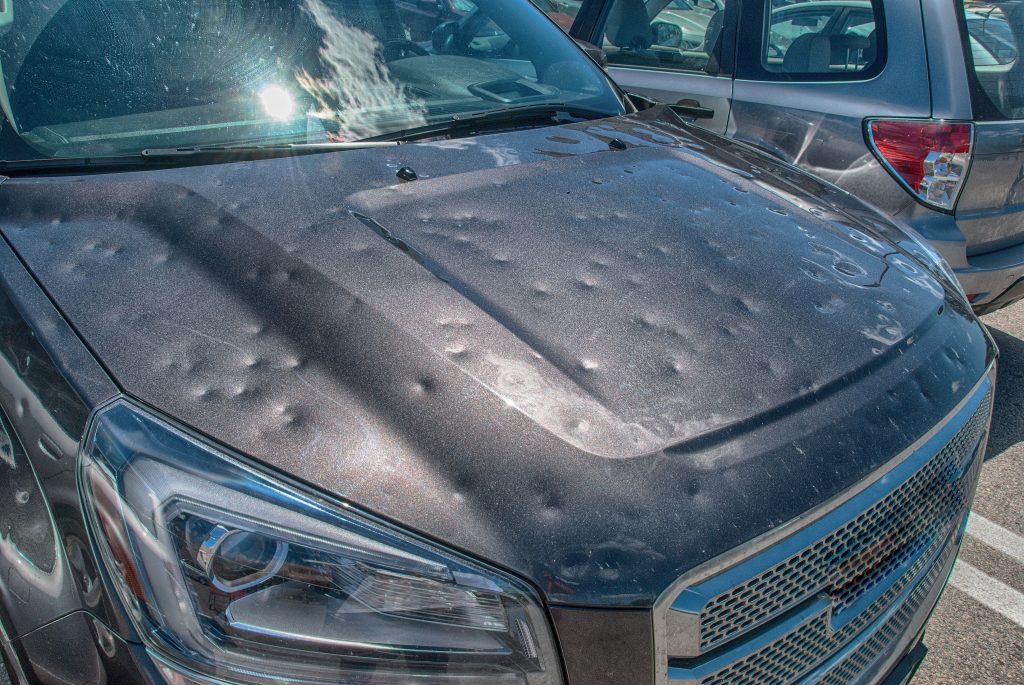
Image Source: www.robinsonstith.com
Evaluating Hail Damage Severity
The first step in determining if your car might be totaled involves assessing the hail damage’s severity. Not all hail storms are created equal. The size of the hail, wind speed during the storm, and the duration of the hailstorm all contribute to the overall impact on your vehicle.
Minor Hail Damage
- Small dents (often referred to as “golf ball” sized or smaller)
- Primarily cosmetic damage
- Little to no damage to glass or essential vehicle components
Moderate Hail Damage
- Larger and more numerous dents
- Potential damage to windshield or other glass
- Possible functional issues, such as difficulty opening doors or the hood
Severe Hail Damage
- Large, deep dents across the entire vehicle
- Shattered windshield or other glass
- Significant damage to the vehicle’s structure
- Potential for interior water damage if windows or seals are compromised
Factors Influencing a Total Loss Declaration
Several factors are considered when an insurance company decides whether to declare a car a total loss due to hail damage. These factors are interconnected and work together to determine the outcome.
The Insurance Company’s Total Loss Threshold
Every insurance company has a “total loss threshold.” This is the percentage of the car’s actual cash value (ACV) that the hail damage repair cost exceeds value. For example, if a car is worth $10,000, and the total loss threshold is 70%, any repair estimate exceeding $7,000 could result in the car being declared a total loss. This percentage can vary by state and insurer.
Car’s Actual Cash Value (ACV)
The ACV is the fair market value of your car before the hail damage occurred. Insurance companies determine ACV by considering factors like:
- Vehicle’s age and mileage
- Overall condition (prior to hail damage)
- Make and model
- Options and features
- Local market conditions
A car with a lower ACV is more likely to be totaled, as the repair costs may easily exceed the total loss threshold.
Hail Damage Repair Cost
The cost to repair the hail damage is a crucial factor. Insurance adjusters will assess the damage and provide an estimate. Factors affecting repair costs include:
- Number of dents
- Size and depth of dents
- Whether parts need to be replaced or can be repaired
- Cost of labor
- Availability of parts
Specialized techniques like Paintless Dent Repair (PDR) can sometimes lower repair costs, especially for minor to moderate damage. However, PDR is not always possible, particularly with severe hail damage.
State Laws and Regulations
State laws can also influence total loss declarations. Some states have specific regulations regarding hail damage total loss threshold percentages or the types of damage that must be considered.
The Total Loss Process: What to Expect
If your car is severely damaged by hail, here’s what you can expect during the total loss process:
- Inspection: Your insurance company will inspect the vehicle to assess the extent of the hail damage.
- Estimate: The insurance adjuster will prepare an estimate of the repair costs.
- Total Loss Evaluation: The insurance company will compare the repair estimate to the car’s ACV and their total loss threshold.
- Declaration: If the repair cost exceeds the threshold, the insurance company will declare the car a total loss.
- Settlement: You will receive a settlement offer based on the car’s ACV, minus your deductible.
- Title Transfer: You will need to sign over the car’s title to the insurance company.
- Salvage: The insurance company will typically sell the totaled vehicle to a salvage yard.
Hail Damage Car Worth Fixing vs. Total Loss
Deciding whether a hail damage car worth fixing or declaring it a total loss comes down to a comparison of repair costs and the car’s value.
| Factor | Worth Repairing | Total Loss Likely |
|---|---|---|
| Hail Damage Severity | Minor to Moderate | Severe |
| Repair Cost | Significantly less than ACV | Exceeds total loss threshold |
| Car’s ACV | High | Low |
| Insurance Threshold | High | Low |
| Diminished Value Consideration | Low Impact to the value | High Impact to the value, making repairs less viable overall |
The Option to Retain Your Totaled Vehicle
In some cases, you may have the option to keep your car even after it has been declared a total loss. This is often called “owner retention.” If you choose this option:
- The insurance company will deduct the salvage value of the vehicle from your settlement.
- You will retain ownership of the vehicle.
- You will receive a salvage title for the car.
- You may need to have the car inspected and repaired to meet state safety standards before it can be legally driven again.
The Impact of Diminished Value
Even if your car is repaired after hail damage, it may still suffer a loss in value due to its history of damage. This is known as diminished value hail damage. There are three types of diminished value:
- Inherent Diminished Value: The stigma associated with having a car that has been damaged and repaired.
- Repair-Related Diminished Value: Value lost due to imperfect repairs.
- Claim-Related Diminished Value: Loss associated with the negotiation and inconvenience of the claims process.
You may be able to file a diminished value claim with your insurance company to recover some of this lost value. However, not all states allow diminished value claims.
Navigating the Hail Damage Insurance Claim Process
Filing a hail damage insurance claim can be stressful. Here are some tips to help you navigate the process:
- Document the Damage: Take photos and videos of the hail damage as soon as possible.
- Contact Your Insurance Company: Report the damage promptly and follow their instructions.
- Get Multiple Estimates: Obtain repair estimates from several reputable auto body shops.
- Review Your Policy: Know your policy’s deductibles, coverage limits, and any exclusions.
- Negotiate: Don’t be afraid to negotiate with the insurance company about the repair estimate or settlement offer.
- Consider an Independent Appraiser: If you disagree with the insurance company’s assessment, consider hiring an independent appraiser.
Severe Hail Damage Car: Making Informed Decisions
Dealing with a severe hail damage car presents challenges. Here’s how to make informed decisions:
- Assess the Extent of the Damage: Understand the full scope of the damage and how it impacts your car’s functionality and safety.
- Evaluate Repair Options: Explore repair options such as PDR, traditional bodywork, and part replacements.
- Consider Long-Term Costs: Factor in potential issues like rust, leaks, and further depreciation.
- Know Your Rights: Familiarize yourself with state laws and insurance regulations to protect your interests.
- Seek Professional Advice: Consult with mechanics, body shop technicians, and legal experts to make well-informed decisions.
Understanding Hail Damage Write Off
A hail damage write off occurs when the insurance company determines the vehicle is a total loss. The vehicle is then sold as salvage, and the owner receives compensation based on the pre-damage value of the car.
Implications of a Hail Damage Write Off
- Loss of Transportation: You’ll need to find a replacement vehicle.
- Financial Loss (potentially): The settlement might not fully cover the cost of a new car, especially if your car was older or had a low ACV.
- Salvage Title: If you retain the vehicle, it will have a salvage title, which can affect its resale value and insurability.
Maximizing Your Hail Damage Car Settlement
Getting a fair hail damage car settlement is crucial. Here are some ways to maximize your payout:
- Research Your Car’s Value: Use resources like Kelley Blue Book and NADAguides to determine your car’s accurate ACV.
- Provide Supporting Documentation: Gather maintenance records, receipts for recent repairs, and any other documentation that supports your car’s value.
- Challenge Lowball Offers: If you believe the insurance company’s offer is too low, provide evidence to support your counteroffer.
- Consider Legal Counsel: If you’re having trouble reaching a fair settlement, consult with an attorney specializing in insurance claims.
FAQ: Frequently Asked Questions About Hail Damage and Total Loss
- What happens if my car is totaled, but I still owe money on it?
The insurance company will pay off the remaining balance of your loan or lease from the settlement proceeds. If the settlement amount is less than what you owe, you’ll be responsible for paying the difference (known as “gap”). Gap insurance can cover this difference if you have it. - Can I repair a car with a salvage title?
Yes, you can repair a car with a salvage title. However, you’ll need to meet state requirements, which may include inspections and certifications, before the car can be legally driven on public roads. - Will hail damage affect my insurance rates?
It depends. If you file a comprehensive claim for hail damage, your rates may increase slightly upon renewal. However, some insurance companies offer “hail damage forgiveness” policies that protect your rates from increasing after a hail claim. - What if I only have liability insurance?
Liability insurance only covers damages you cause to others. It does not cover damage to your own vehicle from hail. You’ll need comprehensive coverage to file a hail damage claim. - Can I sell my car with hail damage?
Yes, you can sell a car with hail damage. However, you’ll need to disclose the damage to potential buyers. The car’s value will be significantly reduced due to the damage. - What are the best ways to protect my car from hail?
Park your car in a garage or under a carport whenever possible. Use a car cover designed to protect against hail. Consider purchasing hail insurance if you live in an area prone to hailstorms. - Can I get a second opinion on the hail damage repair estimate?
Yes, you have the right to get a second opinion from another auto body shop. It’s always a good idea to get multiple estimates to ensure you’re getting a fair and accurate assessment of the damage. - Is Paintless Dent Repair (PDR) a good option for hail damage?
PDR can be an excellent option for minor to moderate hail damage, as it’s often less expensive and time-consuming than traditional bodywork. However, PDR may not be suitable for severe hail damage or dents in certain areas of the car. - What if I disagree with the insurance adjuster’s assessment of the hail damage?
You have the right to dispute the insurance adjuster’s assessment. You can provide your own evidence, such as repair estimates from other body shops, and negotiate with the insurance company. If you’re still unable to reach an agreement, you can consider hiring an independent appraiser or consulting with an attorney.
Conclusion
Figuring out if hail can total your car isn’t a simple yes or no; it’s a puzzle with several pieces. Understanding the key players – like how bad the dents and dings really are and what your insurance contract says – empowers you to take charge of your hail damage claim. The big question boils down to whether the repair bill outstrips your car’s current worth. If the cost to fix the hail damage climbs higher than the car’s actual cash value, it might be time to consider a total loss settlement instead of repairs. Don’t forget to factor in the lingering possibility of diminished value even after repairs are done. Armed with the right knowledge and a smart strategy, you can make confident choices that safeguard your investment.

Hi, I’m Luigi Smith, the voice behind carrepairmag.com. As a passionate car enthusiast with years of hands-on experience in repairing and maintaining vehicles, I created this platform to share my knowledge and expertise. My goal is to empower car owners with practical advice, tips, and step-by-step guides to keep their vehicles running smoothly. Whether you’re a seasoned mechanic or a beginner looking to learn, carrepairmag.com is your go-to source for all things car repair!