The answer to “How long after ceramic coating can I drive my car?” is typically 24-48 hours. However, reaching the ceramic coating full cure can take longer, up to several weeks. This blog post dives deep into the ceramic coating cure time, drying time, and factors influencing when you can safely drive your vehicle after application.
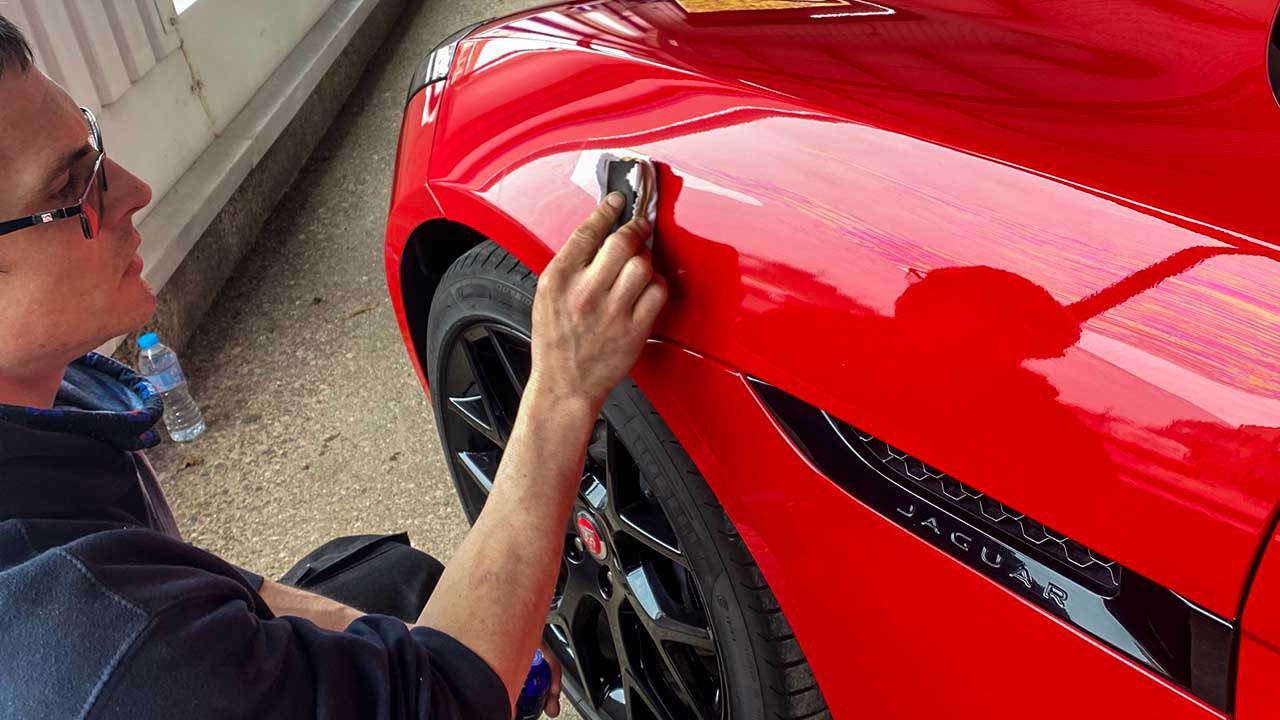
Image Source: cars.newagain.co.uk
Gauging Ceramic Coating Drying Time
Ceramic coating drying time refers to the period it takes for the coating to become touch-dry and initially hardened. It’s important not to confuse this with the complete ceramic coating cure time.
Defining Drying Time
- Initial Dry: The surface is no longer tacky to the touch. This generally occurs within a few hours after application.
- Handling: The car can be carefully handled for certain tasks like moving it inside a garage.
Factors Influencing Drying Time
- Ambient Temperature: Warmer temperatures accelerate drying.
- Humidity Levels: High humidity slows down drying, while low humidity speeds it up.
- Airflow: Good ventilation promotes quicker drying.
- Coating Brand: Different brands have varying formulations, impacting drying times.
Deciphering Ceramic Coating Cure Time
The ceramic coating cure time is the period required for the coating to fully harden and reach its maximum protective properties. This is considerably longer than the drying time.
Distinguishing Full Cure
- Maximum Hardness: The coating achieves its specified hardness rating.
- Chemical Resistance: Full resistance to chemicals, detergents, and environmental contaminants.
- Water Repellency (Hydrophobicity): Optimal water beading and sheeting performance.
Variables Affecting Cure Time
- Environmental Conditions: Temperature and humidity play critical roles. Refer to manufacturer guidelines, but typically 24-48 hours in ideal environments is expected before driving.
- Coating Type: Different ceramic coatings have different curing schedules.
- Application Thickness: Thicker coatings may require longer curing periods.
- UV Exposure: Some coatings benefit from UV exposure (using a UV lamp in a shop setting, for example) to accelerate curing.
Driving After Coating Application: Navigating the Risks
Even if the coating feels dry, driving prematurely can compromise its effectiveness.
Potential Problems with Early Driving
- Contamination: Road debris, dirt, and water can adhere to the uncured coating, causing blemishes and reducing its protective qualities.
- Reduced Durability: The coating may not be fully bonded to the paint, making it susceptible to chipping or peeling.
- Compromised Hydrophobicity: Premature exposure to water can affect the coating’s ability to repel water effectively.
How Soon Can I Drive My Ceramic Coated Car?
The consensus is to wait at least 24-48 hours before initial drive after ceramic coating under ideal conditions. Ideally, allow a full cure time of one to two weeks to get the full benefit of the product before exposing your vehicle to harsh conditions.
Guidelines for the First Drive
- Check Manufacturer Instructions: This is the most important step. Follow the specific recommendations provided by the coating manufacturer.
- Gentle Driving: Avoid aggressive driving, excessive speeds, and harsh braking.
- Avoid Inclement Weather: Do not drive in rain, snow, or dusty conditions during the initial curing period.
- Limit Exposure: Keep the vehicle garaged or covered as much as possible.
Weather Impact on Ceramic Coating Cure
Weather significantly affects the ceramic coating curing period.
High Humidity
- Slowed Curing: Humidity inhibits the evaporation of solvents in the coating.
- Potential Issues: Can lead to hazing or cloudiness in the finish.
- Mitigation: Use dehumidifiers in the application area or extend the curing time.
Cold Temperatures
- Extended Curing: Cold slows down the chemical reactions necessary for curing.
- Compromised Bond: The coating may not bond properly to the paint.
- Precautions: Use heat lamps or a climate-controlled environment to maintain optimal temperatures.
Extreme Heat
- Rapid Drying: Can cause the surface to dry too quickly, preventing proper bonding.
- Application Challenges: May make the coating difficult to apply evenly.
- Solutions: Apply the coating in a shaded or temperature-controlled environment.
Post Ceramic Coating Care: Maximizing Longevity
Proper car coating aftercare driving habits are essential to extend the life and effectiveness of the ceramic coating.
Washing Techniques
- Wait Before Washing: Do not wash the car for at least 7 days after coating application (longer if recommended by the manufacturer).
- Use pH-Neutral Soap: Avoid harsh detergents or abrasive cleaners.
- Two-Bucket Method: Use separate buckets for washing and rinsing to prevent scratching.
- Microfiber Wash Mitt: Use a high-quality microfiber wash mitt to gently clean the surface.
- Dry with Microfiber Towel: Use a clean, soft microfiber towel to dry the car.
Avoiding Harmful Substances
- Acidic Cleaners: Avoid cleaners containing acids, as they can damage the coating.
- Abrasive Polishes: Do not use abrasive polishes or compounds on the coated surface.
- Automatic Car Washes: Avoid automatic car washes with brushes, as they can cause scratches and swirls.
Maintenance Products
- Ceramic Boosters: Use ceramic boosters or toppers to maintain the coating’s hydrophobic properties and extend its lifespan.
- Regular Inspection: Periodically inspect the coating for any signs of damage or degradation.
Ceramic Coat Aftercare Driving: Best Practices
Even after the coating has fully cured, adopting certain driving habits can help maintain its integrity.
Protective Measures
- Parking Considerations: Park in shaded areas or garages whenever possible to minimize exposure to UV rays and environmental contaminants.
- Bird Droppings & Bug Splatter: Remove bird droppings, bug splatter, and other contaminants promptly, as they can etch the coating.
- Winter Driving: Be cautious when driving in winter conditions, as road salt and de-icing chemicals can be harmful.
Maintaining Appearance
- Regular Washing: Wash the car regularly to remove dirt, grime, and other contaminants.
- Avoid Abrasive Materials: Do not use abrasive materials or tools to clean the coated surface.
- Professional Detailing: Consider having the coating professionally detailed periodically to maintain its appearance and performance.
The Significance of Professional Application
While DIY ceramic coating kits are available, professional application offers several advantages.
Expert Preparation
- Thorough Cleaning: Professionals meticulously clean and decontaminate the paint surface.
- Paint Correction: They can correct any imperfections in the paint before applying the coating.
- Proper Application: Professionals have the experience and equipment to apply the coating evenly and correctly.
Optimized Curing
- Controlled Environment: Professional shops have climate-controlled environments to optimize curing.
- UV Curing: Some professionals use UV lamps to accelerate curing.
- Warranty: Professional applications often come with a warranty, providing added peace of mind.
Troubleshooting Common Issues
Even with proper application and care, some issues may arise.
Water Spots
- Cause: Mineral deposits left behind after water evaporates.
- Solution: Wash the car with a pH-neutral soap or use a water spot remover specifically designed for ceramic coatings.
Swirl Marks
- Cause: Improper washing techniques or abrasive materials.
- Solution: Avoid abrasive materials and use proper washing techniques. Minor swirls can be corrected by a professional detailer.
Reduced Hydrophobicity
- Cause: Build-up of contaminants or degradation of the coating over time.
- Solution: Wash the car thoroughly or apply a ceramic booster to restore the coating’s hydrophobic properties.
FAQs: Clarifying Common Concerns
- Can I drive my car in the rain after ceramic coating?
- It’s best to avoid driving in the rain for at least 24-48 hours after application to allow the coating to cure properly.
- What happens if I drive my car too soon after ceramic coating?
- Driving too soon can compromise the coating’s durability, hydrophobicity, and overall performance.
- How long does ceramic coating last?
- The lifespan of a ceramic coating can range from 2 to 5 years, depending on the quality of the coating, application, and aftercare.
- Can I wash my car immediately after ceramic coating?
- No, you should wait at least 7 days before washing the car to allow the coating to fully cure.
- What kind of soap should I use to wash my ceramic coated car?
- Use a pH-neutral soap specifically designed for ceramic coatings.
- Is ceramic coating worth the investment?
- Yes, ceramic coating offers excellent protection, enhances the appearance of the car, and makes it easier to maintain. The value depends on individual needs and circumstances.
Concluding Thoughts
Unlocking the full potential of your ceramic coating hinges on understanding the crucial waiting period before hitting the road and diligently following post-application care. Heeding manufacturer instructions, accounting for environmental influences, and committing to ongoing maintenance will safeguard your vehicle’s pristine appearance and lasting protection. Embrace patience through the curing phase and unwavering attention to aftercare to truly maximize your investment.

Hi, I’m Luigi Smith, the voice behind carrepairmag.com. As a passionate car enthusiast with years of hands-on experience in repairing and maintaining vehicles, I created this platform to share my knowledge and expertise. My goal is to empower car owners with practical advice, tips, and step-by-step guides to keep their vehicles running smoothly. Whether you’re a seasoned mechanic or a beginner looking to learn, carrepairmag.com is your go-to source for all things car repair!