Can you refuse a search of your car? Yes, in most cases, you absolutely can refuse a police officer’s request to search your vehicle. However, there are exceptions. This article will break down your Fourth Amendment rights related to car searches, explain when a search is legal, and detail how to protect yourself from illegal search and seizure.
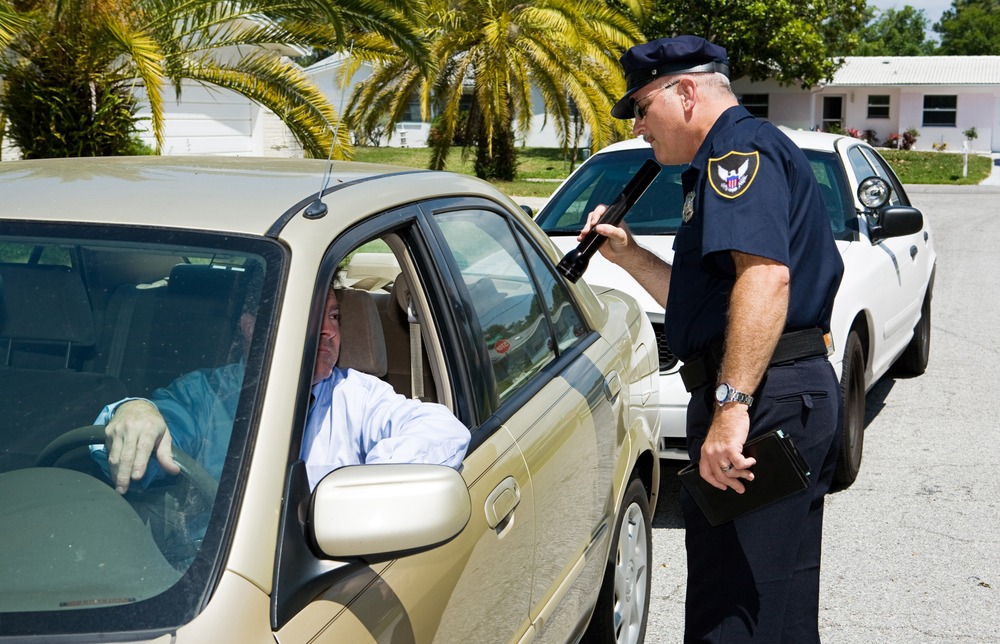
Image Source: www.losangelesduiattorney.com
Your Fourth Amendment Rights and Vehicle Search Laws
The Fourth Amendment to the United States Constitution protects you from unreasonable searches and seizures. This means law enforcement generally needs a warrant to search your private property, including your car. The warrant requirement is a cornerstone of these protections.
What the Fourth Amendment Says
The Fourth Amendment states:
“The right of the people to be secure in their persons, houses, papers, and effects, against unreasonable searches and seizures, shall not be violated, and no Warrants shall issue, but upon probable cause, supported by Oath or affirmation, and particularly describing the place to be searched, and the persons or things to be seized.”
This means police need a good reason, called probable cause, and a warrant from a judge to legally search your car.
Exceptions to the Warrant Requirement
While a warrant is usually required, there are several probable cause exception to this rule. If one of these exceptions applies, police can legally search your car without your permission or a warrant.
1. Probable Cause
If a police officer has probable cause to believe your car contains evidence of a crime, they can search it without a warrant.
- Example: An officer smells a strong odor of marijuana coming from your car. This gives them probable cause to believe there’s marijuana inside.
2. Plain View Doctrine
If illegal items or evidence of a crime are visible in plain view inside your car, an officer can seize them and potentially search the car further.
- Example: An officer sees a gun lying on the passenger seat while talking to you.
3. Search Incident to Arrest
If you are being lawfully arrested, police can search your car as part of the arrest. This search is limited to the area within your immediate reach at the time of the arrest.
- Example: You are arrested for driving with a suspended license. Police can search the area where you were sitting for weapons or evidence related to the crime.
4. Automobile Exception
Due to the mobility of vehicles, a lower standard applies compared to searching a home. If officers have probable cause to believe a car contains evidence of a crime, they don’t need a warrant to search it because the car can quickly be moved.
5. Consent to Search
If you consent to search of your car, police can search it even without probable cause or a warrant. This is why it’s crucial to understand your rights and what you’re agreeing to.
- Key Point: You have the right to refuse consent to search. Never feel pressured into agreeing to a search.
6. Inventory Search
After a lawful impoundment of your car, police can conduct an inventory search to document the contents of the vehicle. This is not intended to find evidence of a crime but to protect the police and the towing company from liability for any lost or stolen property.
7. Exigent Circumstances
If there’s an immediate threat to public safety or a risk that evidence will be destroyed, police can search your car without a warrant.
- Example: Police believe there’s a bomb in your car.
What Happens During a Traffic Stop
Traffic stops can be stressful. Here’s what you should know:
- Be polite: Remain calm and respectful.
- Provide Documents: Provide your driver’s license, registration, and insurance information when asked.
- Ask if you’re free to leave: Once the officer has completed the traffic stop (e.g., issued a ticket), ask if you are free to leave. If the officer detains you further without reasonable suspicion or probable cause, that may be an illegal detention.
- Don’t argue: If you believe your rights are being violated, don’t argue with the officer at the scene. Instead, note the officer’s name and badge number and consult with an attorney later.
- Clearly State your Refusal: If the officer asks to search your car, clearly and unequivocally state that you do not consent to search. Saying something like “I do not consent to search my vehicle” is important.
- Remain Silent: If you are detained, you have the right to remain silent. You do not have to answer any questions beyond providing basic identification.
Car Search Refusal: Your Right to Say No
You have the right to refuse a car search. If you refuse, the officer needs probable cause or a warrant to proceed with the search.
- How to Refuse: Clearly and politely state, “I do not consent to search my vehicle.” It’s best to say this clearly and without ambiguity.
- What Not to Do: Don’t physically resist the search. This could lead to arrest. Simply state your refusal.
Implied Consent Laws and Vehicle Searches
Implied consent laws typically relate to drunk driving. These laws state that by driving on public roads, you’ve implicitly agreed to submit to chemical tests (like breathalyzer or blood tests) if suspected of driving under the influence. Refusing these tests can result in penalties, such as license suspension. However, implied consent laws do not automatically give police the right to search your entire car without probable cause or a warrant. They primarily relate to the specific issue of drunk driving investigations.
Reasonable Suspicion vs. Probable Cause
It’s important to know the difference between reasonable suspicion and probable cause:
| Feature | Reasonable Suspicion | Probable Cause |
|---|---|---|
| Definition | A lower standard; a reasonable belief, based on specific and articulable facts, that criminal activity is afoot. | A higher standard; a reasonable belief, based on specific and articulable facts, that a crime has been or is being committed. |
| Application | Allows for brief detentions and pat-down searches for weapons (if officer believes the person is armed). | Allows for arrests, searches, and seizures. |
| Example | An officer sees you walking in a high-crime area late at night and acting suspiciously. | An officer sees drugs in plain view inside your car. |
Illegal Search and Seizure: What to Do
If you believe your car was illegally searched, here’s what to do:
- Remain Calm: Don’t argue with the officer at the scene.
- Document Everything: Write down everything you remember about the search, including the date, time, location, officer’s name and badge number, and the reason for the search.
- Contact an Attorney: Consult with a criminal defense attorney as soon as possible. An attorney can assess whether the search was legal and advise you on your rights.
Challenging a Car Search in Court
If you were arrested or charged with a crime as a result of an illegal car search, your attorney can file a motion to suppress the evidence found during the search. This means the evidence cannot be used against you in court.
- Motion to Suppress: This legal motion argues that the search violated your Fourth Amendment rights.
- Burden of Proof: The prosecution has the burden of proving that the search was legal.
- Possible Outcomes: If the motion is granted, the evidence is suppressed, which can lead to the dismissal of charges or a more favorable plea bargain.
Factors Courts Consider in Evaluating Car Searches
Courts consider several factors when deciding whether a vehicle search laws was legal:
- Totality of the Circumstances: Courts look at all the facts and circumstances surrounding the search.
- Officer’s Credibility: The officer’s testimony is carefully scrutinized.
- Evidence Presented: Any video or audio recordings, witness statements, and other evidence are considered.
The Role of Body Cameras and Dash Cameras
Body cameras worn by police officers and dash cameras in police vehicles can provide crucial evidence in challenging a car search. These recordings can show exactly what happened during the traffic stop and search, helping to determine whether the search was legal.
- Request the Footage: If you believe your car was illegally searched, ask your attorney to request the body camera and dash camera footage.
Practical Tips for Protecting Your Rights
- Know Your Rights: Educate yourself about your Fourth Amendment rights.
- Be Respectful but Firm: Be polite but assert your right to refuse a search.
- Document Everything: Keep a record of any interactions with law enforcement.
- Consult with an Attorney: If you believe your rights have been violated, seek legal advice.
Scenarios and Your Rights
Let’s examine a few common scenarios:
Scenario 1: You are pulled over for speeding. The officer asks if he can search your car. You have nothing to hide, but you are uncomfortable with the request.
- Your Rights: You can politely refuse the search. The officer needs probable cause or a warrant to search your car without your consent to search.
Scenario 2: An officer pulls you over and says he smells marijuana coming from your car. He searches your car and finds illegal drugs.
- Your Rights: The officer’s claim of smelling marijuana gives him probable cause to search your car. However, if you believe the officer is lying or exaggerating, consult with an attorney.
Scenario 3: You are arrested for driving under the influence. The officer searches your car and finds a weapon.
- Your Rights: The officer can search the passenger compartment of your car incident to your arrest. The legality of the weapon charge will depend on whether the search was lawful.
Navigating Vehicle Search Laws
Here is a step-by-step guide on how to navigate a situation where an officer requests to search your vehicle:
- Stay Calm: Try to remain calm and polite throughout the interaction.
- Ask Why: Politely ask the officer why they want to search your car.
- Know Your Response: If you are unsure, you can say, “Officer, am I being detained? I want to exercise my right to remain silent, and I do not consent to search.”
The Consequences of Consenting to a Search
If you consent to search, anything found in your car can be used against you in court. There are no “take backs” once you’ve given consent to search, even if you later regret it.
- Careful Consideration: Always carefully consider the potential consequences before agreeing to a search.
Conclusion: Empowering Yourself with Knowledge
It is paramount to arm yourself with the knowledge of your Fourth Amendment rights, particularly concerning car search refusal. Knowing when you can refuse a search and how to assert your rights can protect you from illegal search and seizure. Always remember to remain calm, polite, and informed. If you believe your rights have been violated, seek legal counsel promptly.
Frequently Asked Questions (FAQ)
Q: What is probable cause?
A: Probable cause is a reasonable belief, based on specific facts, that a crime has been or is being committed.
Q: Can I record my interaction with the police?
A: Generally, yes. In most states, it is legal to record police officers in public places, as long as you are not interfering with their duties. However, it’s important to know the laws in your specific state.
Q: What happens if I refuse a car search?
A: If you refuse, the officer needs probable cause or a warrant to search your car. They may detain you while they obtain a warrant.
Q: Who is liable for damages caused during an illegal search?
A: Depending on the circumstances, you may be able to sue the police department or the individual officer for damages caused during an illegal search and seizure.
Q: Can a police officer search my trunk?
A: Yes, if they have probable cause or your consent to search, the officer can search your trunk.
Imagine the government barging into your home and finding something incriminating without a warrant. The Exclusionary Rule is the legal shield that slams the door shut on using that ill-gotten evidence against you in a criminal trial, safeguarding your Fourth Amendment protections.

Hi, I’m Luigi Smith, the voice behind carrepairmag.com. As a passionate car enthusiast with years of hands-on experience in repairing and maintaining vehicles, I created this platform to share my knowledge and expertise. My goal is to empower car owners with practical advice, tips, and step-by-step guides to keep their vehicles running smoothly. Whether you’re a seasoned mechanic or a beginner looking to learn, carrepairmag.com is your go-to source for all things car repair!