Yes, you can wash your car after tinting, but there’s a waiting period and specific techniques to follow to protect your investment. Washing your car too soon or using the wrong methods can damage the tint, leading to bubbling, peeling, or discoloration. This article will guide you through the appropriate waiting period, safe washing techniques, and the right products to use to ensure your new tint lasts for years to come.
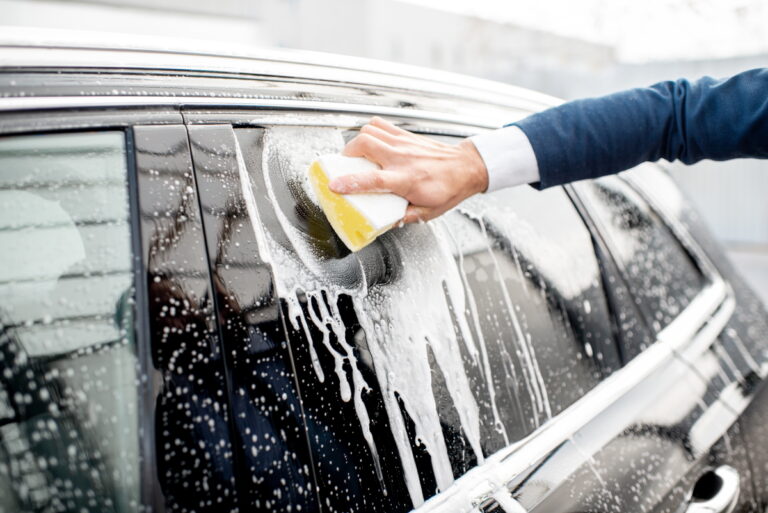
Image Source: qualityautoglasstint.com
The Waiting Game: How Long Before Car Tint Washing?
Patience is key when it comes to car tint washing after installation. The adhesive used to bond the tint film to your windows needs time to cure properly. Rushing the process can lead to problems.
The Recommended Timeline for Washing Car After Tint
| Timeline | Activity | Reason |
|---|---|---|
| First 48 Hours | Avoid washing your car altogether. | The adhesive is still very weak and vulnerable to moisture and pressure. |
| 3-7 Days | Avoid power washing and automatic car washes. | The film is still curing, and high pressure can cause it to lift or bubble. |
| After 7 Days | Hand washing is generally safe. | The tint should be adequately bonded, but it’s best to use gentle methods and tint safe car wash products. |
| 30 Days | Automatic car washes may be acceptable. | The tint film has fully cured and should withstand the brushes and pressure of an automatic car wash, but proceed with caution. |
This table provides a general guideline. Consult with your tint installer for specific recommendations, as curing times can vary depending on the type of film, climate conditions, and installation techniques.
Why is This Timeline So Important?
The adhesive needs to fully bond to the glass for the tint to be durable and look its best. Think of it like applying a sticker: you need to press it firmly and let it sit for a while to ensure it sticks properly. The same principle applies to window tint. Premature washing car with tinted windows can disrupt this bonding process and result in costly repairs.
Best Practices: Safe Washing Techniques for Your New Tint
Once the waiting period is over, you can start washing your car, but it’s important to use the right techniques to avoid tint damage car wash. Here’s how:
The Gentle Hand Wash: Your Best Bet
Hand washing is always the safest option, especially when it comes to new tint car wash. Here’s a step-by-step guide:
- Gather Your Supplies: You’ll need two buckets (one for soapy water and one for rinsing), a microfiber wash mitt, a soft towel or chamois, and a tint safe car wash soap.
- Rinse the Car: Start by rinsing your car with clean water to remove loose dirt and debris.
- Wash the Car: Dip your wash mitt into the soapy water and gently wash the car, starting from the top and working your way down. Use straight, overlapping strokes.
- Rinse the Mitt Frequently: Rinse the wash mitt in the rinse bucket to remove dirt and prevent scratching the paint.
- Rinse the Car Again: Rinse the car thoroughly with clean water to remove all traces of soap.
- Dry the Car: Use a soft towel or chamois to dry the car, again using straight, overlapping strokes.
Products to Avoid: What Not to Use
Certain cleaning products can damage your window tint. Steer clear of the following:
- Ammonia-Based Cleaners: Ammonia can dissolve the adhesive and cause the tint to bubble or peel.
- Abrasive Cleaners: Abrasive cleaners can scratch the tint film.
- Harsh Chemicals: Avoid using solvents or harsh chemicals that can damage the film.
The Right Soap: Selecting a Tint Safe Car Wash
Choosing the right soap is crucial for window tint aftercare. Look for a soap safe for window tint.
- pH-Neutral Soap: pH-neutral soaps are gentle and won’t damage the tint film.
- Specifically Formulated for Tint: Some soaps are specifically formulated for use on tinted windows. These are often the best choice.
- Avoid Wax-Based Soaps: Wax-based soaps can leave a residue on the tint film.
Automatic Car Washes: Proceed with Caution
While automatic car washes may be convenient, they can be risky for your new tint, especially those with abrasive brushes. If you must use an automatic car wash, consider the following:
- Touchless Car Washes: Touchless car washes use high-pressure water jets instead of brushes, which are safer for your tint.
- Ask the Attendant: Ask the car wash attendant if their equipment is safe for tinted windows.
- Check for Damage: After the wash, inspect the tint for any signs of damage.
Special Considerations: Unique Challenges and Solutions
Certain situations require extra caution when washing your car after tinting.
Washing Car with Tinted Windows in Hot Weather
Hot weather can accelerate the curing process, but it can also make the tint more susceptible to damage.
- Wash in the Shade: Avoid washing your car in direct sunlight, as the heat can cause the soap to dry quickly and leave streaks.
- Use Cool Water: Use cool water to wash and rinse the car.
- Dry Immediately: Dry the car immediately after rinsing to prevent water spots.
Washing Car with Tinted Windows in Cold Weather
Cold weather can slow down the curing process and make the tint more brittle.
- Wash in a Warm Place: If possible, wash your car in a garage or other warm place.
- Use Warm Water: Use warm water to wash and rinse the car.
- Be Gentle: Be extra gentle when washing and drying the car, as the tint can be more fragile in cold weather.
Interior Window Cleaning: Maintaining a Clear View
Cleaning the interior of your tinted windows requires just as much care as washing the exterior.
- Use a Microfiber Cloth: Use a clean, soft microfiber cloth to wipe down the interior of the windows.
- Use a Tint-Safe Cleaner: Use a tint-safe cleaner specifically formulated for interior window cleaning.
- Avoid Paper Towels: Paper towels can scratch the tint film.
- Spray the Cloth, Not the Window: Spray the cleaner onto the cloth, not directly onto the window, to prevent the cleaner from seeping behind the tint.
Troubleshooting: Addressing Common Issues
Even with the best care, problems can sometimes arise with your window tint.
Bubbling
Bubbling is a common problem that can occur if the tint is not properly installed or if it’s exposed to excessive heat or moisture.
- Small Bubbles: Small bubbles often disappear on their own as the tint cures.
- Large Bubbles: Large bubbles may require professional repair.
Peeling
Peeling can occur if the adhesive fails to bond properly to the glass.
- Edge Peeling: Edge peeling can often be repaired by a professional.
- Extensive Peeling: Extensive peeling may require the tint to be replaced.
Fading or Discoloration
Fading or discoloration can occur if the tint is exposed to excessive sunlight or if it’s made with low-quality materials.
- Use High-Quality Tint: To prevent fading or discoloration, choose a high-quality tint film.
- Park in the Shade: Park your car in the shade whenever possible to protect the tint from sunlight.
Choosing the Right Tint Shop: A Proactive Approach
The quality of the tint installation plays a significant role in how well it holds up to washing and general wear and tear. Selecting a reputable tint shop is an investment in the longevity of your tint.
Research and Reviews
- Online Reviews: Read online reviews and testimonials to get an idea of the shop’s reputation. Look for consistent positive feedback regarding the quality of their work and customer service.
- Ask for Recommendations: Seek recommendations from friends, family, or online car enthusiast communities. Personal recommendations can provide valuable insights.
Experience and Expertise
- Years in Business: A shop with several years of experience is likely to have a team of skilled installers.
- Certifications: Check if the shop is certified by reputable organizations in the window tinting industry.
- Portfolio: Ask to see examples of their previous work to assess the quality of their installations.
Warranty and Aftercare Support
- Warranty Coverage: A good tint shop will offer a warranty on their work and the tint film itself. Be sure to read the fine print to understand what’s covered.
- Aftercare Advice: The shop should provide you with detailed instructions on how to care for your new tint, including washing guidelines and product recommendations.
FAQ: Answering Your Car Tint Washing Questions
- What is the best soap for washing a car with tinted windows?
- The best soap is a pH-neutral car wash soap specifically designed for use on tinted windows.
- Can I use Windex on my tinted windows?
- No, you should never use Windex on tinted windows, as it contains ammonia, which can damage the tint.
- How often should I wash my car after tinting?
- You can wash your car as often as needed, but always follow the recommended waiting period and use gentle washing techniques.
- Who can I ask for help with car washing if I still have concerns?
- If you’re unsure about any aspect of washing your car after tinting, consult with your tint installer or a professional car detailer.
- Can I pressure wash my car after tint?
- No, avoid pressure washing. High pressure can cause the tint to lift or bubble.
- What is window tint aftercare?
- Window tint aftercare involves following specific guidelines to protect and maintain your tinted windows, including waiting before washing, using the right cleaning products, and avoiding harsh conditions.
Nurture your tinted windows with these tips, and they’ll stay stunning for years. A little patience and a gentle touch are your allies in preserving this investment and savoring every moment of your enhanced view.

Hi, I’m Luigi Smith, the voice behind carrepairmag.com. As a passionate car enthusiast with years of hands-on experience in repairing and maintaining vehicles, I created this platform to share my knowledge and expertise. My goal is to empower car owners with practical advice, tips, and step-by-step guides to keep their vehicles running smoothly. Whether you’re a seasoned mechanic or a beginner looking to learn, carrepairmag.com is your go-to source for all things car repair!