How is hail damage assessed on a car? Hail damage on a car is assessed through a detailed inspection process. This process often involves a visual examination under specific lighting conditions, dent counting, and measurements to determine the severity and extent of the damage, ultimately leading to a hail damage repair estimate. This assessment is crucial for filing a hail damage car insurance claim and determining the appropriate repair method, which can influence the hail damage dent repair cost and any potential hail damage car value reduction.
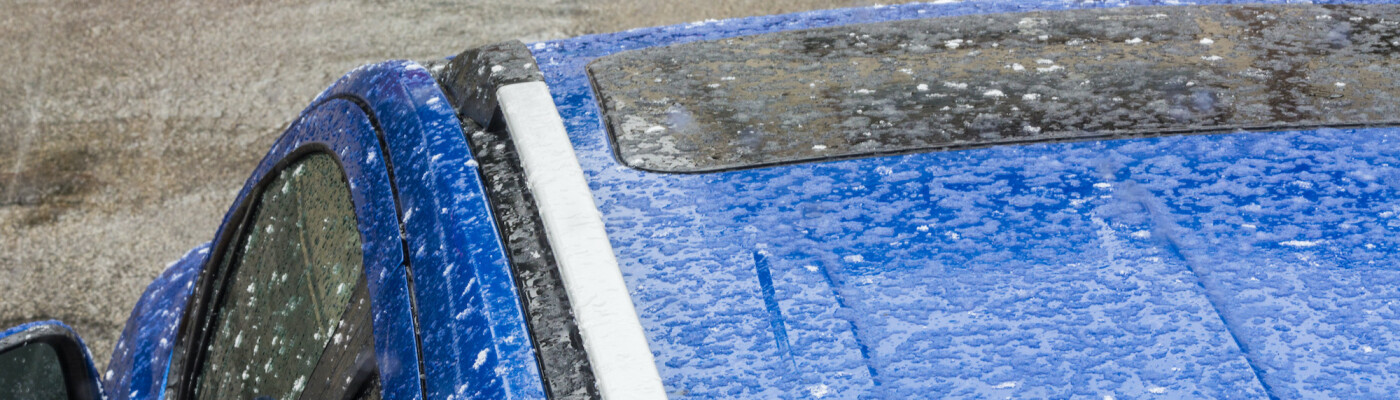
Image Source: dealerinspire-image-library-prod.s3.us-east-1.amazonaws.com
Deciphering Car Hail Damage Assessment: An In-Depth Look
Hailstorms can wreak havoc on vehicles, leaving behind a landscape of dents and potential paint damage. Navigating the aftermath of such an event requires an understanding of the car hail damage assessment process. This guide provides a comprehensive overview of how hail damage is assessed on a car, covering everything from the initial car hail damage inspection to the intricacies of a hail damage car insurance claim.
Initial Car Hail Damage Inspection
The initial inspection is the first step in determining the extent of the damage and forming the basis for a hail damage repair estimate. This stage typically involves a thorough visual examination of the vehicle’s exterior.
Visual Examination
The inspector will carefully examine every panel of the car, including the hood, roof, trunk, doors, and fenders. They will look for:
- Dents of various sizes and depths
- Cracked or chipped paint
- Damage to glass surfaces, such as windshields and windows
- Damage to plastic components, such as headlights and taillights
- Disrupted body lines
The Importance of Lighting
Proper lighting is crucial for identifying hail damage. Inspectors often use specialized lighting equipment, such as fluorescent lights or LED panels, to highlight even the smallest dents and imperfections. The lights are positioned at different angles to create shadows that reveal the depth and shape of the dents. This is key to an accurate car hail damage assessment.
Dent Counting and Measurement
A key part of the car hail damage assessment is counting the number of dents on each panel. This is a tedious but necessary process. The inspector may use a grid system or other tools to ensure an accurate count. They will also measure the diameter and depth of representative dents to gauge the severity of the damage.
Assessing Hail Damage Severity on Cars
The severity of hail damage is categorized based on factors like the number of dents, dent size, and the overall impact on the vehicle’s appearance and structural integrity.
Factors Determining Severity
- Dent Count: The more dents, the more severe the damage.
- Dent Size: Larger dents indicate a more significant impact.
- Dent Depth: Deeper dents are harder to repair and can cause more structural damage.
- Paint Damage: Chipped or cracked paint can lead to rust and further deterioration.
- Location of Dents: Dents on areas that are difficult to access or repair (e.g., edges, body lines) can increase the complexity and cost of the repair.
Categorizing Damage Levels
- Light Damage: Few dents, small in size, minimal paint damage. May be repairable with paintless dent repair for hail (PDR).
- Moderate Damage: A moderate number of dents, varying in size, some paint damage. May require a combination of PDR and conventional repair methods.
- Severe Damage: High number of dents, large and deep, significant paint damage. May require panel replacement.
The Role of the Auto Hail Damage Adjuster
The auto hail damage adjuster plays a crucial role in the hail damage car insurance claim process. They are responsible for evaluating the damage and determining the amount the insurance company will pay for repairs.
What Does an Adjuster Do?
- Inspects the vehicle to assess the hail damage.
- Reviews the policy to determine coverage.
- Prepares a hail damage repair estimate based on the damage.
- Negotiates with repair shops or the vehicle owner to reach an agreed-upon settlement.
Working With Your Insurance Adjuster
- Be Prepared: Have your insurance policy information and any relevant documentation ready.
- Ask Questions: Don’t hesitate to ask the adjuster about the assessment process and your policy coverage.
- Get a Second Opinion: If you disagree with the adjuster’s assessment, you have the right to get a second opinion from a trusted repair shop.
Creating a Hail Damage Repair Estimate
The hail damage repair estimate is a detailed breakdown of the costs associated with repairing the hail damage. It typically includes the cost of labor, parts, and materials.
Components of the Estimate
- Labor Costs: The cost of the technicians’ time to perform the repairs.
- Parts Costs: The cost of any replacement parts, such as panels, glass, or trim.
- Materials Costs: The cost of materials such as paint, body filler, and other supplies.
- Paintless Dent Repair (PDR): If applicable, the cost of PDR to remove dents without damaging the paint.
- Conventional Repair: The cost of conventional repair methods, such as bodywork, sanding, and painting.
Comparing Estimates
It’s a good idea to get multiple estimates from different repair shops. Compare the estimates carefully, paying attention to the details of the proposed repairs and the cost of each item. Be wary of estimates that are significantly lower than others, as they may indicate substandard workmanship or the use of lower-quality parts.
Methods for Hail Damage Dent Repair
There are two main methods for repairing hail damage: paintless dent repair (PDR) and conventional repair. The choice of method depends on the severity of the damage and the condition of the paint.
Paintless Dent Repair for Hail (PDR)
PDR is a technique that removes dents without damaging the paint. It involves using specialized tools to gently massage the metal back into its original shape from behind the panel.
Advantages of PDR
- Maintains the original factory finish
- Less expensive than conventional repair
- Faster turnaround time
- Environmentally friendly
Limitations of PDR
- Not suitable for all types of dents (e.g., dents with sharp creases or damaged paint)
- May not be possible on certain areas of the vehicle (e.g., edges, tight corners)
Conventional Repair
Conventional repair involves using body filler to smooth out dents and then repainting the affected area.
Advantages of Conventional Repair
- Can repair a wider range of dents than PDR
- Can address paint damage
Disadvantages of Conventional Repair
- More expensive than PDR
- Longer turnaround time
- Requires repainting, which may not perfectly match the original factory finish
Impact of Hail Damage on Car Value Reduction
Hail damage can significantly reduce a car’s value. Even if the damage is repaired, the vehicle may still be worth less than it was before the hailstorm.
Factors Affecting Value Reduction
- Severity of Damage: The more severe the damage, the greater the value reduction.
- Repair Quality: A poor-quality repair can further reduce the value.
- Disclosure: Failing to disclose the hail damage history to a potential buyer can lead to legal issues.
- Market Perception: Buyers may be wary of vehicles with a history of hail damage, even if they have been repaired.
Diminished Value Claim
In some cases, you may be able to file a diminished value claim with your insurance company to recover the difference between the car’s pre-accident value and its post-repair value. Diminished value claims can be complex, so it’s important to consult with an attorney or appraiser who specializes in these types of claims.
Navigating the Hail Damage Car Insurance Claim Process
Filing a hail damage car insurance claim can seem daunting, but it’s a necessary step to get your vehicle repaired.
Steps to File a Claim
- Contact Your Insurance Company: Report the damage to your insurance company as soon as possible.
- Schedule an Inspection: The insurance company will schedule an inspection of your vehicle.
- Obtain Estimates: Get estimates from multiple repair shops.
- Negotiate with the Adjuster: Discuss the estimate with the adjuster and negotiate a fair settlement.
- Get Repairs Done: Once you’ve reached an agreement with the insurance company, take your vehicle to the repair shop of your choice.
- Pay Your Deductible: You will be responsible for paying your deductible, which is the amount you agreed to pay out-of-pocket before the insurance company covers the rest.
Tips for a Smooth Claim Process
- Document Everything: Keep detailed records of all communications with the insurance company and repair shops.
- Take Photos: Take photos of the damage before any repairs are done.
- Be Persistent: Don’t be afraid to follow up with the insurance company and advocate for yourself.
- Know Your Rights: Familiarize yourself with your insurance policy and your rights as a policyholder.
Choosing a Reputable Repair Shop
Selecting a qualified and reputable repair shop is crucial for ensuring that your vehicle is repaired properly.
What to Look For
- Experience: Choose a shop with experience in repairing hail damage.
- Certifications: Look for shops that are certified by organizations such as I-CAR or ASE.
- Reputation: Check online reviews and ask for recommendations from friends or family.
- Warranty: Make sure the shop offers a warranty on their work.
- Insurance Approval: Ensure the shop is approved by your insurance company.
Preparing Your Car for the Hail Damage Inspection
Taking a few steps to prepare your car before the inspection can help ensure a thorough and accurate assessment.
Cleaning and Preparation
- Wash Your Car: A clean car allows the inspector to see the dents more easily.
- Remove Debris: Clear any debris from the vehicle, such as leaves or branches.
- Park in a Well-Lit Area: Park the car in a well-lit area to facilitate the inspection.
Understanding the Insurance Coverage
It is crucial to understand your car insurance policy to know what is covered in the event of hail damage.
Comprehensive Coverage
Most comprehensive car insurance policies cover hail damage. This coverage protects your vehicle from damage caused by events other than collisions, such as hail, theft, vandalism, and natural disasters.
Policy Deductibles
Before your insurance coverage kicks in, you’ll typically need to pay a deductible. This is the amount you agree to pay out-of-pocket before the insurance company covers the rest of the repair costs. The deductible can vary depending on your policy.
Policy Exclusions
Some car insurance policies may exclude certain types of hail damage. Be sure to carefully review your policy to understand any exclusions.
Frequently Asked Questions (FAQ)
Q: What is considered hail damage on a car?
A: Hail damage on a car typically refers to dents, dings, chipped paint, and broken glass caused by hailstones.
Q: Can I fix hail damage myself?
A: While DIY dent repair kits exist, repairing hail damage properly often requires specialized tools and expertise. It’s generally best to leave it to the professionals to avoid further damage.
Q: Who is responsible for paying for hail damage repair?
A: If you have comprehensive coverage, your insurance company will typically pay for the repairs, minus your deductible. If you don’t have comprehensive coverage, you’ll be responsible for paying out of pocket.
Q: What is the average hail damage dent repair cost?
A: The cost can vary widely depending on the extent of the damage and the repair method used. Minor damage repairable with PDR might cost a few hundred dollars, while severe damage requiring panel replacement and repainting could cost several thousand.
Q: Does hail damage affect my car insurance rates?
A: Filing a hail damage claim generally doesn’t increase your insurance rates because it’s considered an “act of God” and is typically not held against you. However, it’s best to confirm this with your insurance provider.
Absolutely, your vehicle can still hit the road with hail dings and dents, provided the impacts haven’t compromised its safety or fundamental structure. Yet, to stave off worsening damage and preserve your car’s worth, prompt repairs are highly recommended.

Hi, I’m Luigi Smith, the voice behind carrepairmag.com. As a passionate car enthusiast with years of hands-on experience in repairing and maintaining vehicles, I created this platform to share my knowledge and expertise. My goal is to empower car owners with practical advice, tips, and step-by-step guides to keep their vehicles running smoothly. Whether you’re a seasoned mechanic or a beginner looking to learn, carrepairmag.com is your go-to source for all things car repair!