Do you need your title to trade in your car? Yes, in most cases, you absolutely need the car title to trade in your vehicle. The title serves as proof of ownership. Without it, the dealership can’t legally take possession and resell the car. Let’s explore the details of car titles, potential issues, and how to navigate the trade-in process smoothly.
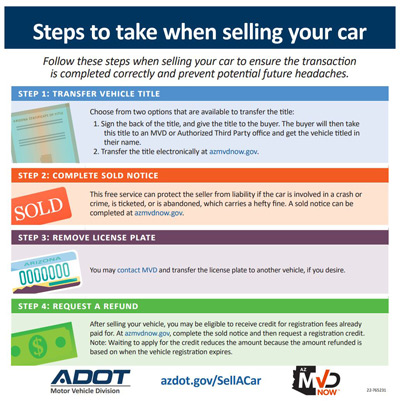
Image Source: azdot.gov
What is a Car Title and Why Is It Important?
A car title is a legal document that establishes who owns a vehicle. Think of it as the deed to your car, much like a deed to your house. It includes vital information like:
- Vehicle Identification Number (VIN)
- Make and Model
- Year of Manufacture
- Owner’s Name and Address
- Lienholder Information (if applicable)
The car title transfer process is crucial when you sell or trade your car. It transfers ownership from you to the new owner (in this case, the dealership). Without a valid title, a dealership can’t legally sell the car, creating significant problems for both parties.
Common Trade-In Requirements Regarding the Title
Dealerships have specific trade-in requirements to ensure a legal and smooth transaction. These trade-in requirements often include:
- Possession of the Original Title: A physical copy of the title is usually required. Digital copies might be accepted in some states, but it’s best to confirm with the dealership.
- Clear Title: The title must be free of any liens (outstanding loans) or encumbrances.
- Matching Information: The information on the title (name, VIN) must match your identification and the vehicle itself.
- Signatures: You’ll need to sign the title over to the dealership.
Fulfilling these trade-in requirements ensures the car title transfer can proceed without delays or legal complications.
Selling Car Without Title: Is It Possible?
Selling car without title presents challenges, especially when trading in at a dealership. While it might be possible in some specific situations, it’s generally not recommended.
Here’s why:
- Legal Issues: Dealerships need to prove they legally own the vehicle before reselling it. A missing title complicates this process.
- Reduced Trade-In Value: If a dealership is willing to accept a trade-in without a title, they will likely offer a significantly lower price to compensate for the added risk and hassle.
- Alternative Options: There are avenues to explore if you don’t have the title, such as obtaining a title replacement (discussed later).
While selling car without title to a private buyer may be simpler (depending on state laws), it’s generally more difficult with dealerships due to their more stringent requirements.
The Issue of Lienholder on Title
One of the most common title issues involves a lienholder on the title. A lienholder is a bank or financial institution that holds a security interest in your car because you have a loan.
- What it Means: If a lienholder is listed on your title, you don’t fully own the car until you pay off the loan.
- Trade-In Process: To trade in a car with a lien, the dealership will usually handle the payoff process. They’ll contact your lender, determine the remaining balance, and deduct that amount from your trade-in value.
- Negative Equity: If your loan balance is higher than your car’s trade-in value (negative equity), you’ll need to pay the difference to the dealership.
Steps to Handle a Lien on Your Title
- Contact Your Lender: Find out your exact loan payoff amount.
- Inform the Dealership: Let the dealership know about the lien early in the trade-in process.
- Provide Loan Information: Give the dealership your lender’s contact information, account number, and any other necessary details.
- Review the Paperwork: Carefully review the trade-in agreement to ensure the lien payoff is handled correctly.
Lost Car Title: Getting a Title Replacement
If you’ve lost your car title, don’t panic! You can obtain a title replacement from your state’s Department of Motor Vehicles (DMV) or equivalent agency.
Steps to Obtain a Title Replacement
- Contact Your DMV: Visit your state’s DMV website or office to learn about their specific procedures.
- Complete an Application: You’ll need to fill out an application for a duplicate title. This usually requires information about your car (VIN, make, model) and your personal information.
- Provide Identification: You’ll need to present valid photo identification, such as a driver’s license or passport.
- Pay the Fee: There’s usually a fee associated with obtaining a duplicate title.
- Wait for Processing: The DMV will process your application, which can take a few weeks.
Having a title replacement in hand will make the trade-in process much smoother.
Salvage Title Trade-In: What You Need to Know
A salvage title indicates that a vehicle has been declared a total loss by an insurance company due to damage (e.g., from an accident or flood). Trading in a vehicle with a salvage title is more complicated.
- Reduced Value: Salvage title vehicles are worth significantly less than those with clean titles.
- Dealership Hesitation: Many dealerships are hesitant to accept salvage title trade-ins due to the difficulty of reselling them.
- Inspection Requirements: Some states require salvage vehicles to undergo a special inspection before they can be retitled and registered.
What to Expect When Trading In a Salvage Title Vehicle
- Lower Offers: Be prepared for substantially lower trade-in offers.
- Limited Options: You may have fewer dealerships willing to accept the trade-in.
- Transparency: Be upfront with the dealership about the vehicle’s salvage history.
Car Ownership Proof: Alternatives to the Title
While the title is the primary form of car ownership proof, are there alternatives if you don’t have it readily available? The answer is generally no, not for trade-in purposes. Dealerships need the actual title document for the car title transfer.
However, some documents can help in the process of obtaining a duplicate title or resolving title issues:
- Vehicle Registration: Your current vehicle registration can confirm that the car is registered in your name.
- Insurance Card: Your insurance card provides basic vehicle information.
- Bill of Sale (If Applicable): If you recently purchased the car, the bill of sale might be helpful.
- Loan Documents: If you have a loan on the vehicle, the loan documents can verify your ownership and the lienholder’s information.
These documents can be supportive, but they are not substitutes for the actual title when trading in your car.
Addressing Title Issues Before Trading In
It’s crucial to address any title issues before you attempt to trade in your vehicle. Ignoring these issues can lead to delays, reduced trade-in value, or even the rejection of your trade-in.
Here are some common title issues and how to address them:
- Name Mismatch: If the name on the title doesn’t match your current legal name (due to marriage, divorce, or legal name change), you’ll need to provide documentation to the DMV to correct the title.
- Incorrect VIN: If the VIN on the title is incorrect, you’ll need to work with the DMV to obtain a corrected title. This might require a vehicle inspection.
- Missing Signatures: If there are missing signatures on the title from a previous owner, you’ll need to track down the previous owner and have them sign the title (or obtain a replacement title).
- Title Discrepancy: Any other inconsistency or title discrepancy needs to be resolved with the DMV.
Steps to Resolve Title Issues
- Identify the Issue: Carefully review your title to identify any problems.
- Contact Your DMV: Contact your state’s DMV to inquire about the specific steps needed to resolve the issue.
- Gather Documentation: Collect any necessary documentation, such as marriage certificates, divorce decrees, or court orders.
- Complete Required Forms: Fill out any forms required by the DMV.
- Submit Your Application: Submit your application and documentation to the DMV.
- Follow Up: Follow up with the DMV to check on the status of your application.
Title Discrepancy: Avoiding Problems
A title discrepancy refers to any inconsistency or error on the title document. These discrepancies can cause significant problems during a trade-in.
Common Types of Title Discrepancies
- Incorrect Mileage: If the mileage recorded on the title doesn’t match the vehicle’s odometer, it can raise red flags about odometer fraud.
- Incorrect Vehicle Information: Errors in the make, model, or year of manufacture can create title issues.
- Missing or Incorrect Lien Information: Inaccurate lienholder information can complicate the payoff process.
- Water Damage or Flood Damage: Failure to disclose prior water or flood damage on the title is a serious discrepancy.
How to Prevent Title Discrepancies
- Double-Check Information: When you receive a title (either when purchasing a car or receiving a title replacement), carefully review all the information to ensure accuracy.
- Report Errors Immediately: If you find any errors, report them to the DMV immediately to have them corrected.
- Be Honest About Vehicle History: Disclose any prior damage or issues with the vehicle when selling or trading it in.
Addressing title discrepancies promptly can save you time, money, and headaches in the long run.
Trade-In Checklist: Ensuring a Smooth Process
To ensure a smooth trade-in process, use this checklist:
- [ ] Locate your original car title.
- [ ] Verify that the information on the title is accurate.
- [ ] If you have a lien, contact your lender for the payoff amount.
- [ ] Gather all relevant documents (registration, insurance card, loan documents).
- [ ] Address any title issues before going to the dealership.
- [ ] Be prepared to sign the title over to the dealership.
- [ ] Review the trade-in agreement carefully.
By following these steps, you can minimize the risk of trade-in problems.
FAQ: Common Questions About Car Titles and Trade-Ins
Q: What if my title is held electronically by the lender?
A: Many states now use electronic titles. The dealership will work with your lender to transfer the title electronically. You’ll still need to provide your lender’s information.
Q: Can I trade in my car if I just moved to a new state and haven’t transferred the title yet?
A: It’s best to transfer the title to your new state before trading in the car. Some dealerships might accept an out-of-state title, but it can complicate the process.
Q: What happens if the dealership discovers a title issue after I’ve already traded in the car?
A: The dealership will likely contact you to resolve the issue. You may need to provide additional documentation or take steps to correct the title. Failure to resolve the issue could result in legal action or financial penalties.
Q: How long does it take to get a title replacement?
A: The processing time for a title replacement varies by state but is typically a few weeks.
Q: Can someone else trade in my car on my behalf?
Typically, the answer is no. The individual whose name appears on the vehicle’s title must be there in person to endorse it to the dealership. Should you find yourself unable to attend, a power of attorney might be your necessary alternative.
Q: Is it okay to sign a blank title?
A: Never sign a blank title. Fill out all the necessary information completely and accurately before signing.

Hi, I’m Luigi Smith, the voice behind carrepairmag.com. As a passionate car enthusiast with years of hands-on experience in repairing and maintaining vehicles, I created this platform to share my knowledge and expertise. My goal is to empower car owners with practical advice, tips, and step-by-step guides to keep their vehicles running smoothly. Whether you’re a seasoned mechanic or a beginner looking to learn, carrepairmag.com is your go-to source for all things car repair!